

Quote Of The Day By Dr. Joyce Brothers: 'Trust Your Hunches...'
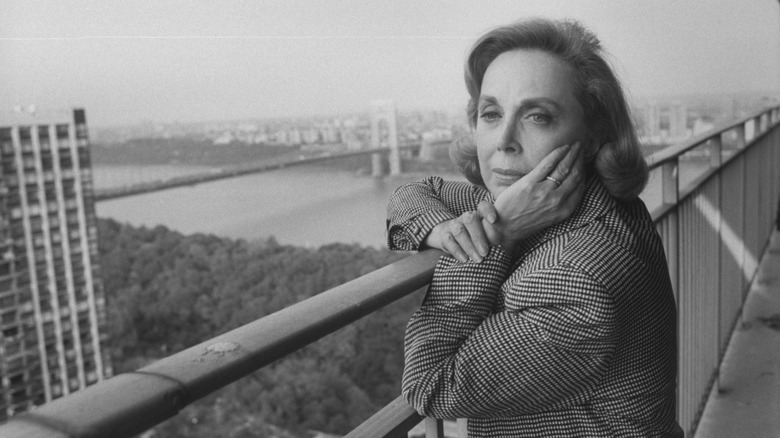
With the TV psychologist being a staple archetype of daytime television today, you may not know how there was initially quite a bit of pushback to the format from the American Psychological Association (APA). Dr. Phil McGraw owes his entire brand to one particular psychologist who completely changed how and where the study was practiced — Dr. Joyce Brothers.
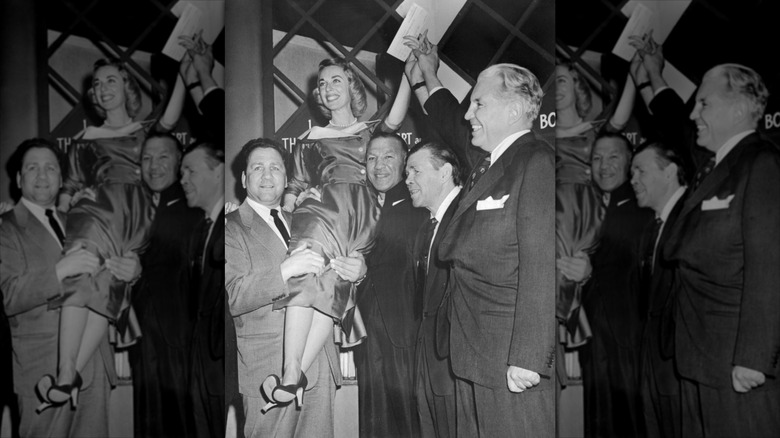
Born in Queens, New York on October 21, 1927, Brothers was admitted to Cornell University in 1944 at just 16 years old, earning her double major in psychology and home economics by 1947, and a PhD in psychology at Columbia University six years after. Her appearance on "The $64,000 Question" was the perfect solution to her post-grad financial instability, and she was the first woman and second person to beat the game fully. She was just as successful on the program "The $64,000 Challenge." Her wit and knack for entertaining naturally catapulted her to household notoriety, and further connections with NBC gave way for her first show in 1958, "The Dr. Joyce Brothers Show."
It was especially her knack to connect with people and bring a real, professional stance into the discussion that earned her praise from both colleagues and audiences alike. She made several cameos on TV and film and wrote several columns and books before dying of natural causes on May 13, 2013. Her daughter, Dr. Lisa Brothers Arbisser, shared how, "She is very intuitive, very determined, very strong, very self-assured. I don't think she was ever plagued by doubt" (via APA). It's exactly those traits that makes Brothers' wisdom fit for today's quote of the day.
Quote of the Day by Dr. Joyce Brothers
Dr. Joyce Brothers reportedly once said, "Trust your hunches. ... Hunches are usually based on facts filed away just below the conscious level." Although there is no direct source for the quote, it was attributed to Brothers in the 1989 book "Words of Wisdom: More Good Advice." The collection of quotes was compiled by William Safire and Leonard Safir — the former of whom was a reputable reporter and even speechwriter for former President Richard Nixon. While the quote may seem to be teetering on the Freudian with its discussion of the subconscious, Brothers is touching on something incredibly grounded in our lived experience.
Deeper Meaning of Brothers' Quote — Intuition is informed by what we don't realize we already know
If you've ever been shocked by a random feeling come true, Dr. Joyce Brothers' quote argues that you may have had the answer hidden within you all along. Even if we don't see the full picture at first glance, small bits of information float within our brains like puzzle pieces. As they are slowly put together, the clearer the idea becomes. These feelings and "hunches" we have are all informed by what we already know deep down, even if we don't have concrete evidence.
For example, Brothers' entire career was launched off of the idea that "The $64,000 Question" prize money could help her and her husband, Milton, get out of less-than-favorable financial circumstances. She believed she could outsmart the program's experts by memorizing details on boxing. It may seem like a risk, but she had a hunch she could win, and she followed it.
Brothers continued to pursue her passion as the "mother of media psychology" even as APA peers criticized her unconventional approach. Although traditionally offering advice was frowned upon by the association, media psychology eventually became a division of the organization by the 1980s. Ultimately, even if they couldn't understand why her model worked at first, she proved it to them through making a tangible impact. If you ever feel like you know something to be true, even if you have naysayers around you, trust that the answers may have already been presented to you — that's precisely why you have that hunch.
More Quotes From Brothers
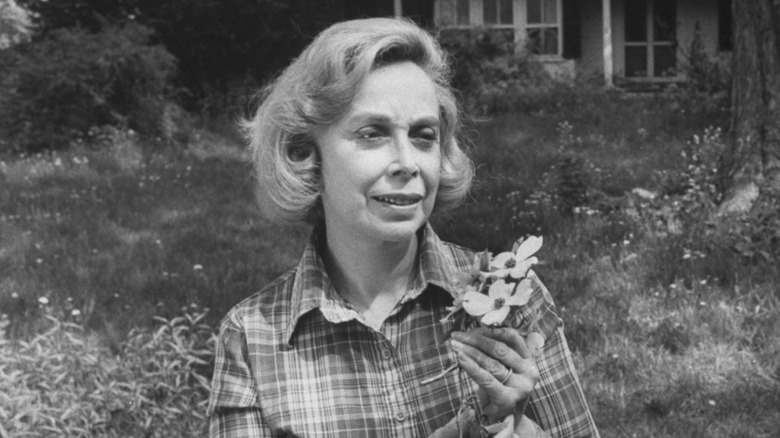
- "Success is a state of mind. If you want success, start thinking of yourself as a success."
- "I think we should follow a simple rule: if we can take the worst, take the risk."
- "Listening, not imitation, may be the sincerest form of flattery."
- "There's a very positive relationship between people's ability to accomplish any task and the time they're willing to spend on it."
- "The best proof of love is trust."