

Quote Of The Day By Baruch Spinoza: 'Nature Is Satisfied With Little; And If She Is...'
We may receive a commission on purchases made from links.
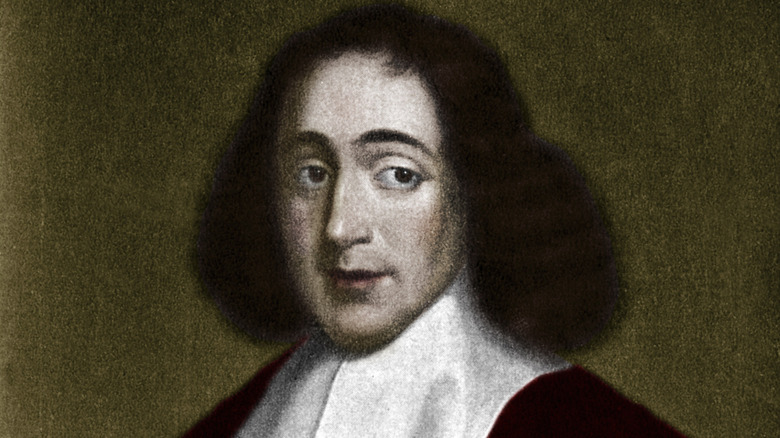
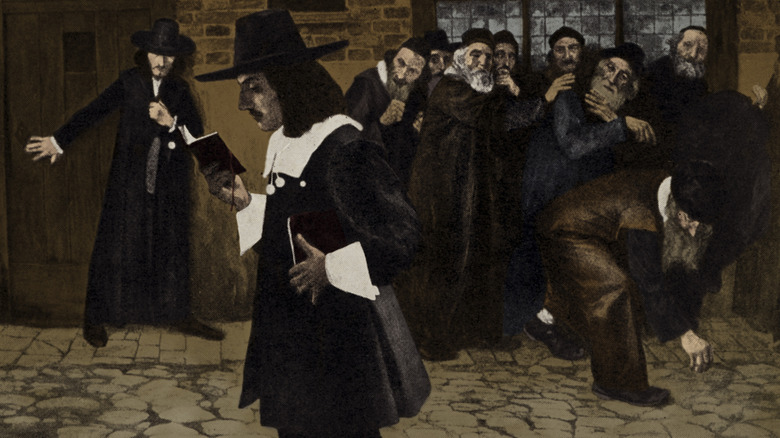
Baruch Spinoza was a Dutch-Jewish philosopher whose works are still celebrated today. Born in Amsterdam, the Netherlands, on November 24, 1632, Spinoza grew up to be a controversial figure among his peers because he questioned religious doctrines and whether God even existed in the way early biblical texts claimed. This made Jewish religious leaders uncomfortable and Spinoza, who wasn't someone who bowed to pressure from the authorities, refused to apologize for his questions and different beliefs, which led to him being banished from his hometown in 1656.
Spinoza didn't believe that God doesn't exist; he simply had a different view of who and what God is that didn't align with his peers, and because of this he was subsequently accused of being an atheist by his fellow philosophers. Spinoza's exile saw him change his first name to Benedictus, and he carved out a career as a lens-grinder. He made a humble living, never wanting to accept any grand gifts or money from those who greatly admired him and his philosophical works, which included various tomes that explored not only God and religion, but also politics and freedom of speech.
Spinoza's choice to live a humble life despite becoming a widely respected philosopher is one reason he is today's quote of the day.
Quote of the Day by Baruch Spinoza
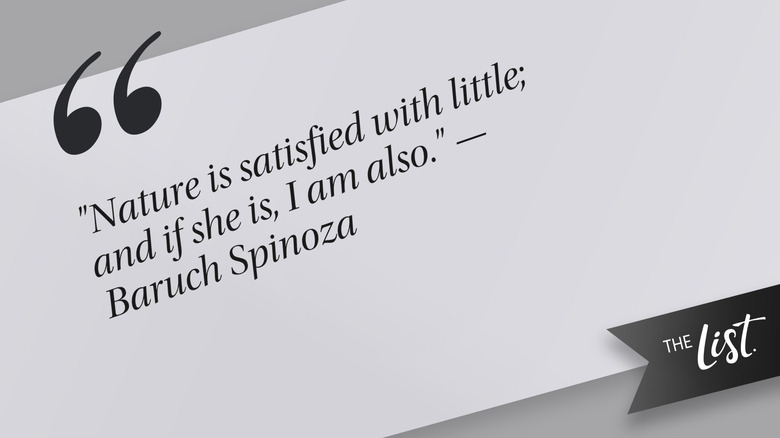
"Nature is satisfied with little; and if she is, I am also." Reportedly, this is what Baruch Spinoza told an associate of the merchant Simon De Vries, who was one of Spinoza's admirers and wanted to leave the philosopher the entirety of his riches in his will.
Will Durant, who chronicled Spinoza's life in his book, "The Story of Philosophy," noted that the philosopher, who wasn't interested in monetary gifts or inheritance, convinced De Vries that his brother was a much better candidate.
The merchant conceded but, unbeknownst to Spinoza, dictated in his will that a $250 annuity be paid to his friend regardless. Even so, the frugal philosopher refused the money, likening himself to nature, which gets by with the bare minimum. Spinoza clearly preferred a more minimalistic life, believing that he had what he needed and required nothing more than that. Excess was not appealing to him — living in harmony with nature was.
Deeper meaning of Spinoza's quote — Satisfaction lies not in how much you have
We live in a world that consistently tells us we need more, more, more. Social media sells us things with non-stop ads, influencers try to convince us we need the expensive products they're peddling, and whenever a holiday comes around, storefronts are screaming at us that we need to buy a bunch of stuff to celebrate. Society has convinced us that the more money we have, the more successful and respected we are, and therefore, the happier we'll be. Baruch Spinoza rejected this belief. Even when King Louis XIV of France offered to endow the highly-regarded philosopher with a generous pension in exchange for Spinoza dedicating his next tome to the monarch, he politely refused to be bought.
The frugal intellectual simply wasn't interested in the money or even in pleasing the king. Much like nature makes do with what is already available to it, we as humans can do likewise. We don't need a ton of stuff or money to be truly satisfied and happy. Spinoza learned a life-changing lesson from observing nature — that a little can go a long way, and if we embraced this philosophy, we might actually become happier and more carefree humans who don't have to answer to anyone but ourselves at the end of the day.
More quotes from Spinoza
-
"The highest activity a human being can attain is learning for understanding, because to understand is to be free."
-
"The more you struggle to live, the less you live. Give up the notion that you must be sure of what you are doing. Instead, surrender to what is real within you, for that alone is sure... you are above everything distressing."
-
"No matter how thin you slice it, there will always be two sides."
-
"I have made a ceaseless effort not to ridicule, not to bewail, not to scorn human actions, but to understand them."
-
"Peace is not the absence of war, it is a virtue, a state of mind, a disposition of benevolence, confidence, justice."