

Quote Of The Day By Virgil: 'Yield Not To Misfortunes, But Advance All The...'

Misfortune and tragedy can hinder even the bravest of us, but Virgil's 2,000-year-old advice on the matter is still relevant today, as it describes a part of being human that hasn't really changed.
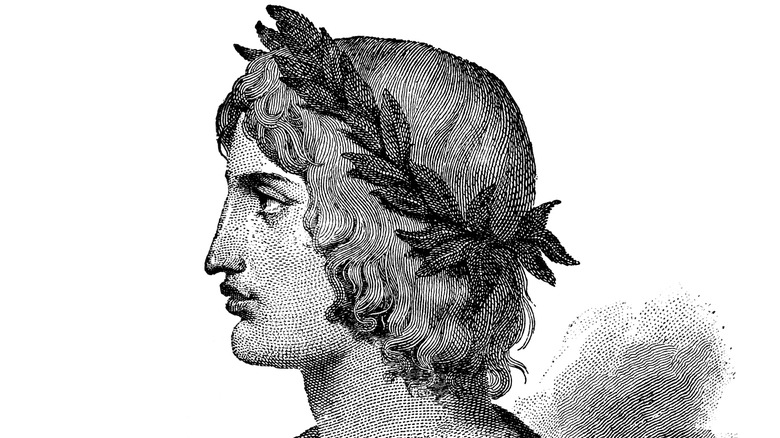
Born around 70 B.C. in the village of Andes, close to the old city of Mantua in northern Italy, Virgil is among the greatest Roman writers and poets who ever lived. He left behind three major works. The first is "Eclogues," written in part about shepherds, an idealized countryside, and the birth of a leader destined for greatness. The second is the farming poem "Georgics." And then there is the "Aeneid," the epic that he's most well known for today. It tells the story of the Trojan hero and survivor Aeneas and his long road to setting up the foundations of Rome.
Virgil spent around 11 years on the "Aeneid" and still considered it unfinished when he died in 19 B.C. of a fever. He reportedly asked on his deathbed for the manuscript to be burned, but Emperor Augustus overruled his wish, which is why we can read it today. Virgil lived in violent times, through the infamous civil wars that tore the Roman Republic apart. You can sense the undertones of that turmoil in his writing, which returned to topics like loss and endurance over and over again. That's one of the main reasons Virgil's most famous lines about courage feel so raw and honest and relatable, and why we've picked him for today's quote of the day.
Quote of the Day by Virgil

Virgil wrote, "Yield not to misfortunes, but advance all the more boldly against them."
This is a popular translation of a line that comes from Book VI of the "Aeneid," the epic Virgil composed between 29 to 19 B.C., and the words belong to the Cumaean Sibyl, a prophet and priestess of Apollo, who delivers them to Aeneas as she foretells the trials awaiting him in Italy. The core takeaway needs no translation: When faced with hardships and obstacles in the way, one must push on even more ferociously than before.
Deeper meaning of Virgil's quote — Facing hardship head-on
Simply put, the line is encouraging its readers not to give in when times get tough. Trouble is coming no matter what path you choose, so meet it on your feet instead of shrinking from it in fear. More importantly, it's not enough to simply endure hardship. Virgil wants you to move toward it, fight against the tide, and gain ground.
It's a subtle shift when you think about it. It's the difference between bracing for a blow and stepping into the fight and taking control. Some endure storms and wait for them to end. Boldness requires you to move inside the whirlwind of tragedy and change your fate. The Sibyl further tells Aeneas to follow this adage for as long "as your destiny allows." That's an important nuance, because you can't force your way through every wall by willpower alone. But one can still push forward with the hand they've been dealt.
So, if you're staring down a setback, maybe even a plan that went sideways after the first few steps, remind yourself that you — and you alone — decide how to react to life's misfortunes and unlucky turns. Accept the parts you can't control, and take bold steps toward whatever comes next.
More quotes from Virgil
- "Fortune favors the brave."
- "The gates of hell are open night and day; / Smooth the descent, and easy is the way: / But to return, and view the cheerful skies, / In this the task and mighty labor lies."
- "Love conquers all; let us, too, yield to love."
- "There are tears for events, and mortal things touch the heart."
- "Schooled in suffering, now I learn to comfort those who suffer too."