

Quote Of The Day By Emily Brontë: 'Love Is Like The Wild Rose-Brier; Friendship Like The...'
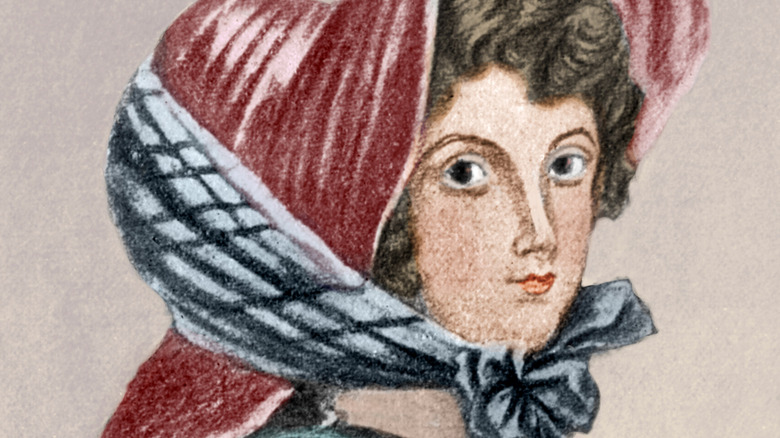
Emily Brontë was a writer and poet remembered for her brooding style. Born on July 30, 1818, in Thornton, Yorkshire, England, Brontë mostly grew up in Haworth after her father moved the family there when he became the rector of the village. In 1821, Brontë's mother died. Not long after, her sisters, Maria and Elizabeth, succumbed to tuberculosis. In an attempt to cope with their grief, Brontë and her sister, Anne, invented a fantasy world, which they called Gondal. It inspired much of their writing.
Despite growing up in gloomy Haworth, Brontë loved it there and had a hard time being away from home, which made going to school away from home a challenge. She even tried being a teacher in Halifax in 1838 but only lasted six months. She died in 1848 at the age of 30 from the same illness that took her two sisters' lives.
Brontë is best known for writing the classic English Gothic novel, "Wuthering Heights," but she was also a poet, and alongside her two sisters, Charlotte and Anne, they published a collection of poems under male pseudonyms in 1846. Their tome was titled "Poems by Currer, Ellis, and Acton Bell." It is from this collection of works that we pulled today's quote.
Quote of the day by Emily Brontë
"Love is like the wild rose-brier; friendship like the holly-tree. The holly is dark when the rose-brier blooms, but which will bloom most constantly?"
This quote comes from Emily Brontë's poem "Love and Friendship," which was published, along with her two sisters' works, in their 1846 collection, "Poems by Currer, Ellis, and Acton Bell." Despite using male pseudonyms in order to be taken seriously in the male-dominated publishing industry of the era, the tome didn't get any traction after its publication, selling only two copies. These days, however, the sisters' works are studied widely.
Brontë appeared to argue that, while romantic love looks beautiful and bright in the moment, friendships are the relationships that withstand the test of time.
Deeper meaning of Brontë's quote — romance can be fleeting; friendship is lasting
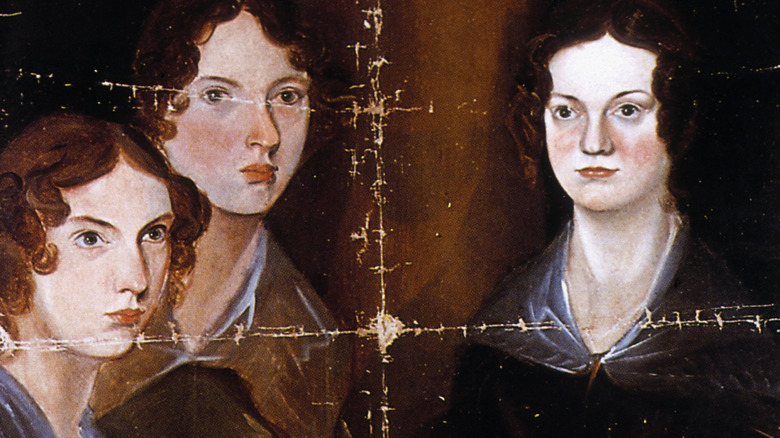
Emily Brontë had a sober view of romantic and platonic relationships. In the poem, she paints a picture of the rose brier, which blooms beautifully in summer and releases a sweet scent. Yet, in the winter months, it goes dormant, its flowers and green leaves gone until spring. The holly tree, to which she likens friendship, stays green all year long, and even bears gorgeous red berries in winter. Brontë clearly believed that friendship was superior to romantic love, because, like the holly tree, it remained alive and persisted even through the harsh seasons, unlike the rose briar, which goes dormant in winter and only wakes up again in spring. Thus, romantic love tends to not be as resilient through the hard seasons as friendship.
Brontë was likely speaking from personal experience. Her sisters are said to have been her closest friends. Writer Lucasta Miller told Smithsonian Magazine that Brontë and her sisters didn't have much social company or relationships outside of their tight family circle. Haworth was a poor village, and finding other young people to make friends with (and fall in love with) was hard. "There weren't many other families of the Brontës' social position with whom they could socialize," Miller asserted. There's also no record of Brontë ever falling in love or getting married, which is perhaps why she had such a bleak outlook on romantic love.
While some might not agree with Brontë's view of romance and friendship, most people can probably relate to the fact that lovers can come and go, while friendships have a tendency to stay more constant. It's a good reminder to keep your friends close and not forget about them when you do fall in love.
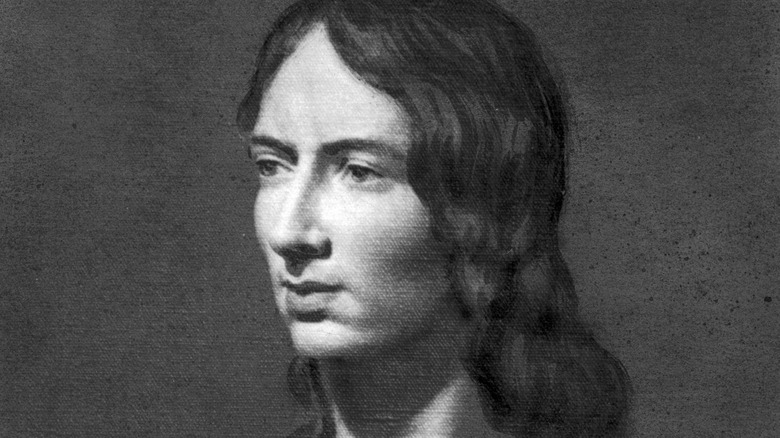
More quotes from Brontë
-
"What have those lonely mountains worth revealing? More glory and more grief than I can tell."
-
"But the hearts that once adored me / Have long forgot their vow / And the friends that mustered round me / Have all forsaken now."
-
"He's more myself than I am. Whatever our souls are made of, his and mine are the same."
-
"I wish I were a girl again, half-savage and hardy, and free."
-
"I have not broken your heart – you have broken it; and in breaking it, you have broken mine."