

Quote Of The Day By Mahatma Gandhi: 'The Weak Can Never Forgive. Forgiveness Is The Attribute Of The...'
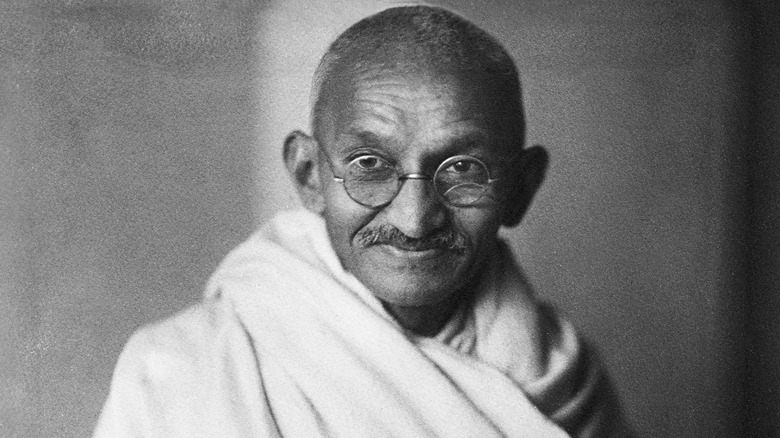
Mahatma Gandhi is a figure who needs little introduction as his name has become synonymous with nonviolence. Gandhi was wronged often and in public, but he passed up nearly every chance to get even.
Born on October 2, 1869, in Porbandar, India, Gandhi studied law in London, returning home in 1891 to start his career as a lawyer. His debut in court fell apart, and a one-year job offer took him to South Africa in 1893. His civil disobedience began at Pietermaritzburg on June 7 of that year, when he would not give up the first-class seat he'd paid for; he had to be removed from the rail carriage. Later, on the same trip, a man in charge of a stagecoach beat him for refusing to move to the footboard. Rather than go home, Gandhi stayed more than 20 years, rallying Indians to peacefully resist discriminatory laws. In January 1897, a mob in Durban assaulted him. London wanted the attackers prosecuted, but Gandhi said no.
Back in India, he turned the independence movement into a campaign of nonviolent resistance, defying British law openly but peacefully. Gandhi's name was put forward five different times for the Nobel Peace Prize, though it never came. India gained independence in August 1947, and a mere five-and-a-half months later, on January 30, 1948, Gandhi was shot dead in Delhi as he walked to evening prayers. The face behind India's long push to end British rule, having lived a life of social activism, had more to forgive than most people ever will and he chose to do it even if it didn't come easily. That's why Gandhi is today's quote of the day.
Quote of the Day by Mahatma Gandhi
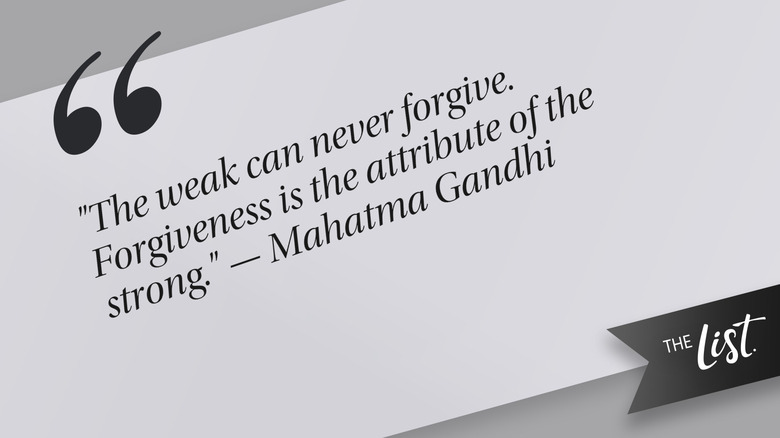
Mahatma Gandhi once said, "The weak can never forgive. Forgiveness is the attribute of the strong."
Gandhi said these words at one of the lowest points in his life. He had tried to halt the death sentences of three young revolutionaries seen by many Indians as heroes. He failed to do so and after the sentences were carried out, Gandhi faced the press and was pushed on his ideas of forgiveness. Did it make any sense to keep forgiving a government with so much blood on its hands? In response, he said that the rule for people holds for countries, too. "One cannot forgive too much," he said, then added the two sentences above. Gandhi had failed to save three lives, so it's safe to say these words didn't come easily.
Deeper meaning of Mahatma Gandhi's quote — Why letting go takes more strength than we think
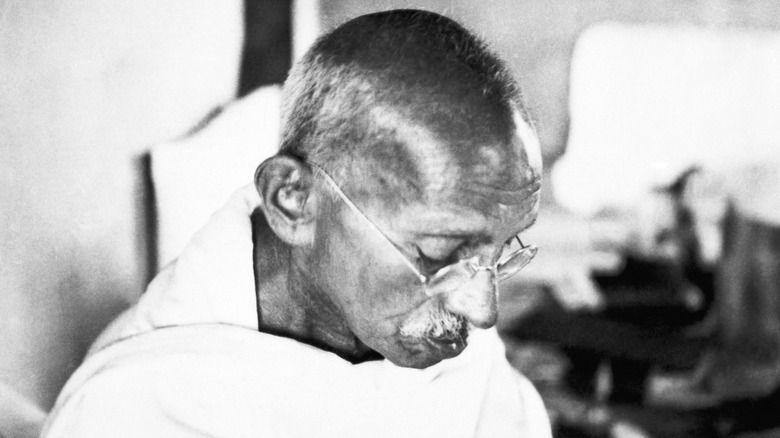
Sometimes forgiveness can look like backing down and holding a grudge can look like standing your ground. In Mahatma Gandhi's worldview, forgiveness was not a surrender, but a show of strength. "Abstinence is forgiveness only when there is the power to punish," he wrote in Young India in August 1920. Restraint counts in the face of payback. The weak person in this scenario is someone who can't bring themselves to forgive. At the same time, they are powerless to do anything about their grudge.
Holding onto a grudge often allows one to play the victim while painting the other person as a villain. That's why forgiveness takes courage and strength. One need not pretend the wrong didn't happen, accept the infraction, or incur said abuse repeatedly. Gandhi forgave the British, but he also continued resisting their rule and refusing to obey them. After Durban, Gandhi set his attackers free, but he kept campaigning against their laws. He chose to rise above the grievance, acknowledging that sometimes nursing a grudge is folly because you only perpetuate the vicious cycle of violence and revenge. You also delay the healing process, which allows the other party to continue hurting you.
The next time someone wrongs you, evaluate the situation in your mind. Tell yourself plainly and honestly what happened, and set whatever limit you need. Then, from that steadier place inside, having mustered the strength required to be the bigger person, decide to drop the matter. Anything else, and the resentment will only continue to fester.
More quotes from Mahatma Gandhi
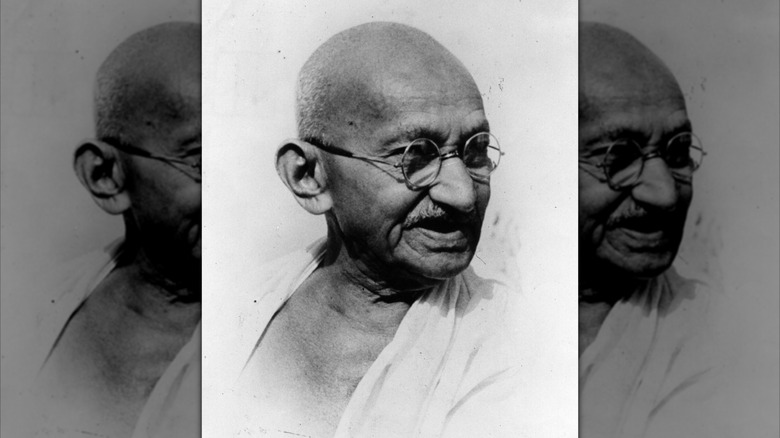
- "Strength does not come from physical capacity. It comes from an indomitable will."
- "The goal ever recedes from us. The greater the progress, the greater the recognition of our unworthiness. Satisfaction lies in the effort, not in the attainment. Full effort is full victory."
- "Love never claims, it ever gives. Love ever suffers, never revenges itself."
- "Where there is fear there is no religion."
- "If there were no greed, there would be no occasion for armaments."