

Quote Of The Day By Philosopher Epictetus: 'Whoever Then Understands What Is Good Can Also Know How To Love; But He Who...'
We may receive a commission on purchases made from links.
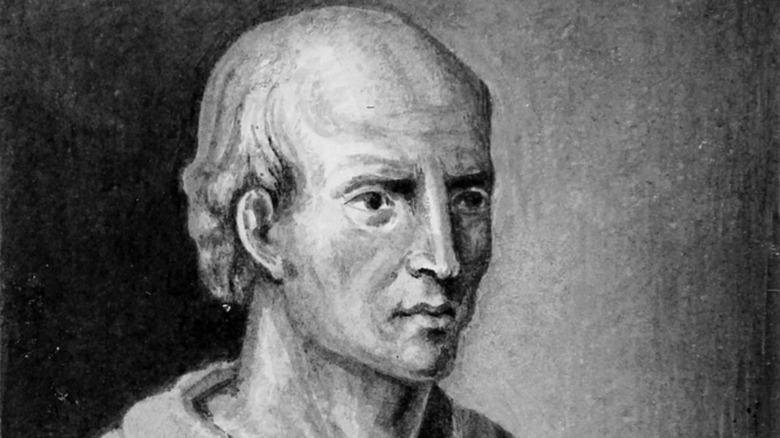
Epictetus was an ancient Greek philosopher known for being one of the most influential voices in Stoicism. He was born into slavery around AD 55 in Hierapolis Phrygia (present day Pamukkale, Turkey), but was later freed and lived in Rome. Epictetus was lame, though historians debate if his physical impairment originated at birth or if he was crippled by his former master, Epaphroditus. Around AD 93, Epictetus, along with several other noted philosophers, were banished from Rome by the Emperor Domitian, prompting him to travel to Nicopolis in northwest Greece. There, he founded his own philosophical school, where he passed down his ideas of Stoicism with lessons about resilience, wisdom, virtue, kindness, overcoming fear, and accepting one's fate.
After living out the rest of his life in Nicopolis, Epictetus died around AD 135. But his philosophies permeated throughout the world for centuries to come, inspiring other philosophers that came after him, like Marcus Aurelius. Epictetus' teachings even provided some of the underlying principles of modern psychiatric treatment, including cognitive-behavioral therapy (CBT) and rational-emotive therapy (RET). Hundreds of years after Epictetus walked the earth, his philosophical teachings — which he tested through his own experiences with hardship — continue to provide profound guidance on navigating life, making him a great person to provide our quote of the day.
Quote of the Day by Epictetus
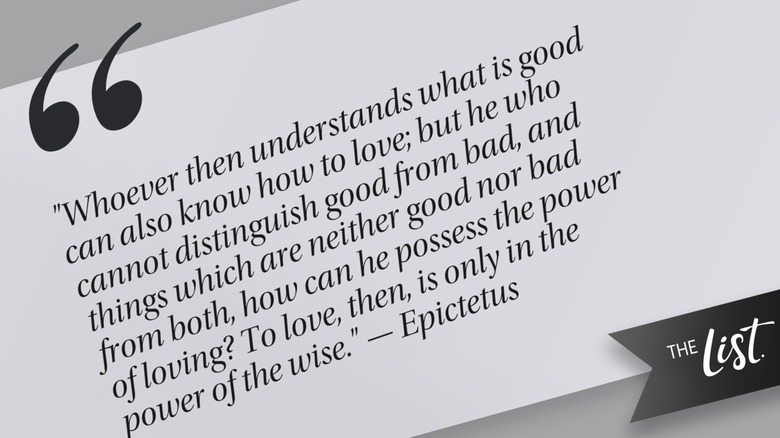
The Stoic philosopher Epictetus taught, "Whoever then understands what is good can also know how to love; but he who cannot distinguish good from bad, and things which are neither good nor bad from both, how can he possess the power of loving? To love, then, is only in the power of the wise." This quote comes from "The Discourses of Epictetus," which is a collection of lectures and teachings from the ancient Greek. Notably, it wasn't written by Epictetus himself, and was instead transcribed from his teachings by his student Arrian around AD 108. It was originally printed in Greek, in 1535, in Venice by Vettore Trincavelli, and was later translated to English by Elizabeth Carter in 1758.
Arrian prefaced in a letter prior to the book's publication that it does not contain verbatim transcriptions of Epictetus' teachings, but rather is taken from Arrian's notes and the lessons he learned in his classroom. As he explained in the book's introductory letter, "Whatever I used to hear him say I wrote down, word for word, as best I could, as a record for later use of his thought and frank expression," (via the Daily Stoic).
Deeper meaning of Epictetus' quote — True love starts with wisdom
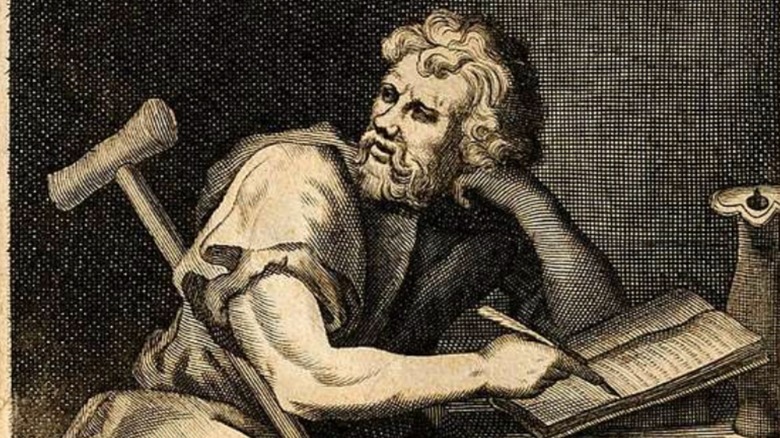
Epictetus seemed to be arguing that one's ability to love is inherently connected to our understanding of what is good and moral. It takes more than just attraction, emotion, or impulse to really love someone — true love requires inner wisdom too. According to the Stoic philosopher's teachings, someone who doesn't understand right from wrong, or doesn't fully grasp what is important in life, may not understand or possess the depth that real, true love demands. Interestingly, Epictetus himself never married, though his philosophy is full of teachings about what it takes to love someone more completely.
He did, however, live by his own words when he adopted a child out of the goodness of his heart when the child's parents were unable to provide for it. To live by Epictetus' message about love could mean finding a deeper understanding for those you love, whether it's having more empathy for their circumstances, or trying not to judge them as often, or as quickly. Likewise, finding a partner and surrounding yourself with people who have strong morals and values. Instead of dating someone because of their attractiveness or status, look for a good person with the wisdom to appreciate what it takes to really love someone.
More quotes From Epictetus
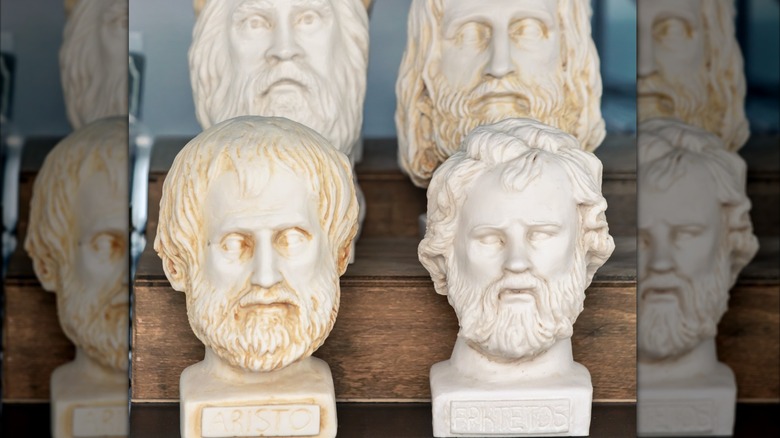
- "Wealth consists not in having great possessions, but in having few wants."
- "Don't explain your philosophy. Embody it."
- "Nature hath given men one tongue but two ears, that we may hear from others twice as much as we speak."
- "We are not disturbed by what happens to us, but by our thoughts about what happens to us."
- "On the occasion of every accident that befalls you, remember to turn to yourself and inquire what power you have for turning it to use."