

Quote Of The Day By Seneca: 'Associate With Those Who Will Make A Better Man...'
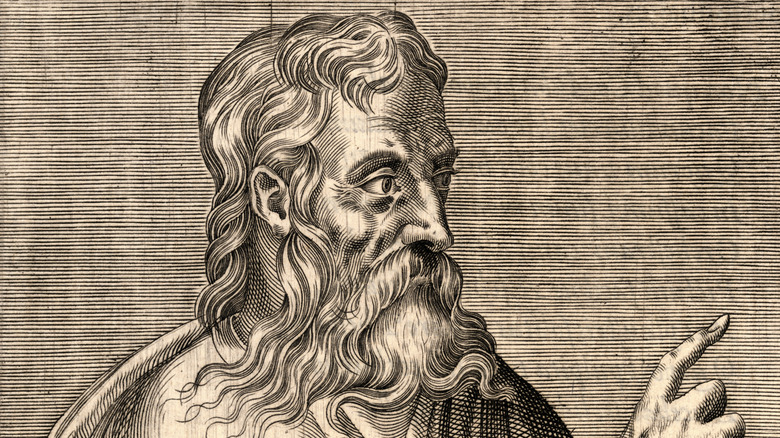
When it comes to Roman philosophers, Lucius Annaeus Seneca was one of the greats. Known sometimes as Seneca the Younger, while his father was Seneca the Elder, he's now more often known just as Seneca. He was a well-known politician, playwright, and Stoic in his day, and he wrote, among other things, about the benefits of a simple life. At the same time, he was the richest man in Rome; in today's money, he was a billionaire. Seneca was a complicated man, but he played an undeniable role in shaping Western philosophy and ethical thought.
Seneca was born in 4 B.C. in Spain. Seneca was educated in rhetoric in Rome, and worked as a lawyer, renowned for his speaking skills. He wasn't healthy, suffering his entire life from problems with his lungs, and he credited being able to study philosophy as one of the things that helped keep him alive as a young man.
Emperor Claudius I banished Seneca to Corsica after he was found guilty of having an affair with the emperor's niece. During his eight years there, Seneca focused on studying and writing. He came back to Rome to be a tutor for the young soon-to-be Emperor Nero; he also returned to the Roman senate. For several years after Nero ascended to the throne at 16, Seneca and another advisor Burrus effectively ruled Rome. As Nero grew older and began to exert more control, Seneca was eventually allowed to retire in A.D. 62. However, three years later, Seneca was found guilty of conspiring to kill Nero. As punishment, the emperor asked Seneca to end his own life, which he did. Throughout his eventful life, Seneca thought and wrote about ethics, virtue, and how to live. That's why he's today's quote of the day.
Quote of the Day by Seneca

In the time between Seneca's retirement and his death, he wrote 124 letters to Lucilius, a younger friend and protege of his. Each of the letters had its own theme and lessons to be learned. Letter 7 was about crowds, and in it, Seneca largely warned Lucilius about spending time with large groups of people. He didn't say Lucilius should keep entirely to himself, but rather to choose friends carefully: "Associate with those who will make a better man of you. Welcome those whom you yourself can improve. The process is mutual; for men learn while they teach."
Seneca wanted Lucilius to focus on spending time with people from whom he could learn, including those he could teach, and therefore learn from, too.
Deeper meaning of Seneca's quote — Focus on self-improvement
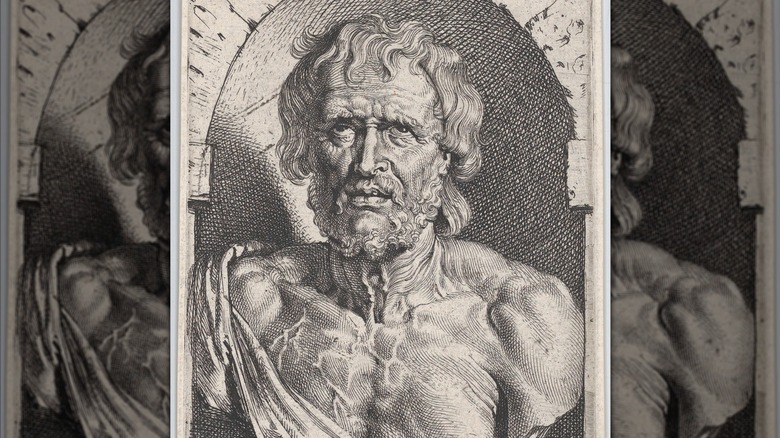
Within Seneca's quote, it's clear that he wanted Lucilius — and by extension, the rest of us — to value our connections for what we can learn from them. That idea sets up the concept of lifelong learning; we can always find ways to improve, and we should look to others to help guide us. You don't want to surround yourself with only those whom you already agree with or can't challenge you. It's like a knife that needs to be sharpened against a whetstone. You can continue to spend time with people who do nothing to make you better and remain dull, or you can seek out those who provide a new perspective or advice, and emerge sharper for it.
Seneca also notes that we have plenty to gain from others when we're teaching them. It might seem like you're in an elevated position if you're the teacher, and don't have anything to learn from the other person. However, there are multiple ways in which being the "teacher" in a situation actually forces you to learn something. You have to know that subject so well that you can answer any questions about it and explain complex topics in simple, understandable terms. Beyond that, it might be that whoever you're trying to teach has a way of looking at the topic that you hadn't considered before, or one that requires you to better articulate why you think or feel a certain way. That way, you can both learn something.
Through it all, Seneca wanted Lucilius to consider self-improvement as a key focus when it came to friendships. Each interaction we have with others can be an opportunity to learn and improve.
More quotes from Seneca
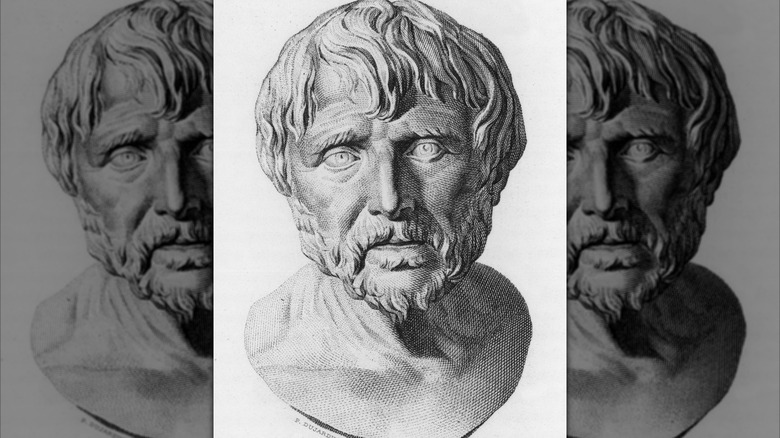
- "So let those people go on weeping and wailing whose self-indulgent minds have been weakened by long prosperity, let them collapse at the threat of the most trivial injuries; but let those who have spent all their years suffering disasters endure the worst afflictions with a brave and resolute staunchness. Everlasting misfortune does have one blessing, that it ends up by toughening those whom it constantly afflicts."
- "But every great and overpowering grief must take away the capacity to choose words, since it often stifles the voice itself."
- "What is the happy life? It is peace of mind, and lasting tranquillity. This will be yours if you possess greatness of soul; it will be yours if you possess the steadfastness that resolutely clings to a good judgment just reached."
- "But nothing is so damaging to good character as the habit of lounging at the games; for then it is that vice steals subtly upon one through the avenue of pleasure. What do you think I mean? I mean that I come home more greedy, more ambitious, more voluptuous, and even more cruel and inhuman,—because I have been among human beings."
- "There are more things ... likely to frighten us than there are to crush us; we suffer more often in imagination than in reality."