

4 Popular Foods Kate Middleton Isn't Allowed To Eat As A Royal
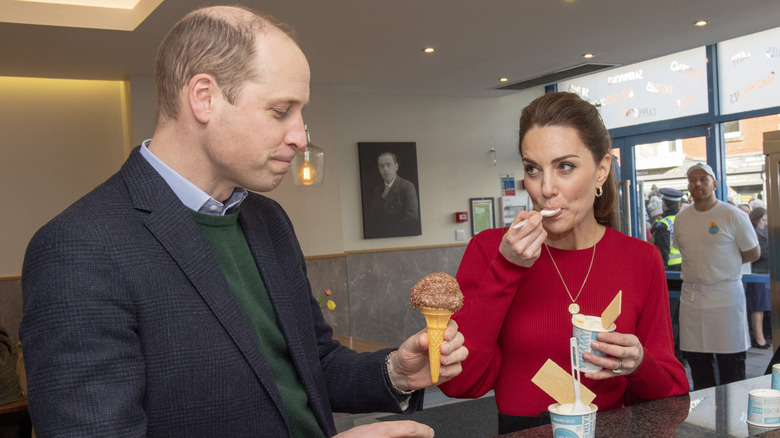
Who among us hasn't dreamed of becoming a royal one day? (we're putting the blame on "The Princess Diaries" for creating unrealistic expectations!). Those fantasies are filled with visions of luxury; living in a castle big enough to get lost in; having all the housework done for us; wearing gorgeous clothes and jewels for days; enjoying sumptuous feasts. Get ready for a reality check as we examine the life of a real member of The Firm. Catherine, Princess of Wales, may be living that dream, but it's not quite as perfect we imagined. Prince William and Kate Middleton live an insanely lavish life, but with it comes a loss of privacy, weighty responsibilities, and the pressure to be on their best behavior at all times.
As for those sumptuous feasts? Even they have their limits. As a senior working royal, Kate is restricted from eating several foods either permanently or under certain circumstances. There are practical reasons behind some of the bans, while others are a matter of etiquette. She must also follow a specific protocol when she dines at official palace functions. For instance, when her father-in-law, King Charles III, finishes eating, everyone else at the table must stop as well, even if they haven't yet polished off their Kentish raspberry sorbet with poached Victoria plums. And, when the princess is done, Kate properly places her knife and fork side by side at the bottom of her plate as a silent signal to the waitstaff.
For your reading pleasure, we have served up an eyeful of the items you won't see the Princess of Wales eating anytime soon. It's a small price to pay for getting the royal treatment in every other respect.
Shellfish is a big no-no for royals abroad
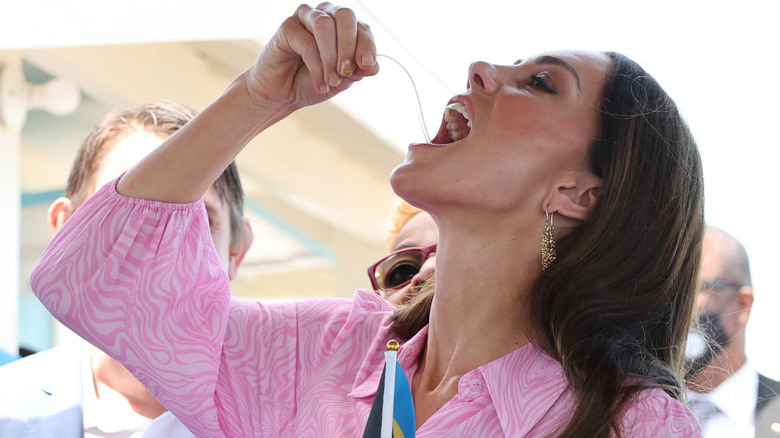
When dining abroad, senior royals like Kate Middleton have to be careful about what they eat and drink. It's not for fear of something sinister — royal food tasters have gone the way of the Round Table — but out of caution for their health. For that reason, they typically avoid shellfish such as clams, oysters, crab, and mussels while traveling. Tasty as they are, they carry a higher risk of foodborne illness if they've been harvested in an area that has experienced an algae bloom, or near coral reefs populated with algae.
The bacteria remains even when the shellfish are cooked on their own or placed into a dish such as cioppino or paella, so members of The Firm are advised not to take chances on their holidays and during state visits. Nobody wants to be laid up with a stomach bug, especially a royal who's far from home. Kate Middleton, however, has been known to make exceptions. While visiting the Bahamas in 2022, she was game enough to try eating a piece of raw conch (shown above). At the time, the Princess of Wales teased that she's "a little bit more adventurous than William is," (via Express).
The future king and queen consort also enjoyed the uncooked shellfish in conch salad, a local specialty similar to ceviche, and happily showed no ill effects after their culinary experimentation. Back in the U.K., the Waleses have more freedom to eat the meals they enjoy, such as sushi, a shared personal favorite. Though raw fish of any sort poses health risks, it's safe to say that they most likely get their nigiri and maki from reputable sources.
Royals always ask to hold the garlic
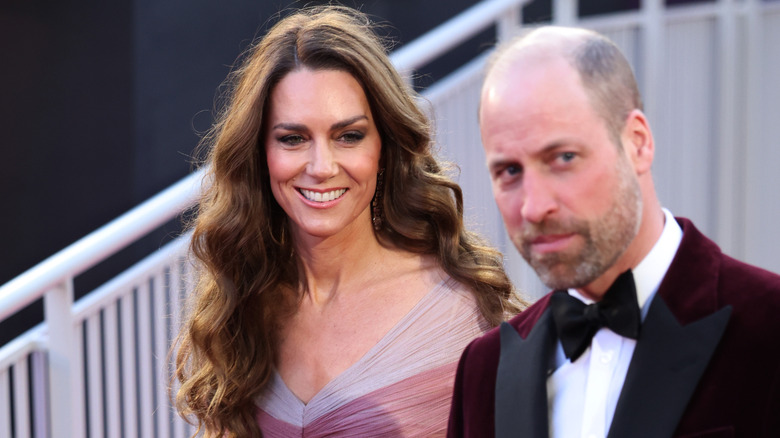
When out and about, either with dignitaries or mingling with commoners, British royals take care not to seem offensive in any way. That includes their personal aroma. The late Queen Elizabeth II notably barred the use of garlic in food prep for palace suppers so as not to invite bad breath, and her family has held on to that tradition. As Queen Camilla once told "MasterChef Australia," "Garlic is a no-no," (via Express). Onions are another restricted food; a few sautéed bits might find their way into a soup or sauce at a state dinner, but you'll never see a slice of raw onion in a salad or on a sandwich, lest it elicit an undignified belch.
That's not to say Kate Middleton doesn't toss in a clove of garlic or chop up an onion when she cooks at home for her family (William and Kate made a big move to the Forest Lodge Estate in 2025, in order to have more room for their three children). The Princess of Wales also disregards another of Her Majesty's personal dining rules. The queen was particular about not eating pasta, potatoes, or other starchy food at dinner, but Kate always loves when Prince George and Princess Charlotte put together a plate of cheesy pasta for her.
Royals can't nosh on all the chocolate they get from fans
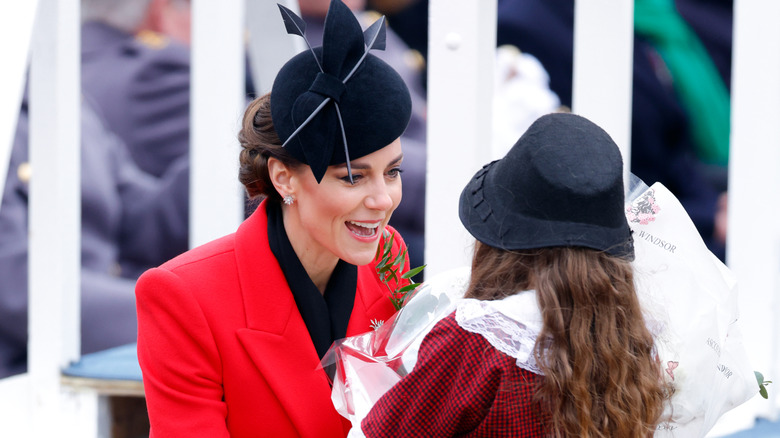
If the Princess of Wales happens to visit your hometown, you might want to join the crowds lining the streets to get a glimpse at Her Royal Highness. You might even bring along a gift for her in case you're one of the lucky few whom she chooses to greet personally. But think twice before handing Kate Middleton a box of Godiva truffles. Food gifts are thoughtful under most circumstances, but there are specific rules regarding giving any type of token to British royalty. According to The Firm's official gift policy, presents from people not known to the family have to cost less than £150, or roughly $200, to be acceptable.
And though "foodstuff" is permitted, it has to be "within reasonable quantities." As such, a small box of sweets from a fan is totally okay, but the Waleses and their three children get so many during their public walkabouts that it would be impossible for them to eat it all (not that Prince George, Princess Charlotte, and Prince Louis wouldn't love to try!). As for Kate, she needs to limit her indulging for the sake of both her health and her ability to fit into the lovely tailored fashions in her wardrobe. More likely, those truffles will end up going home with a staff member or kindly donated to charity, as dictated by their rules.
Ta-ta, tartare; farewell, foie gras
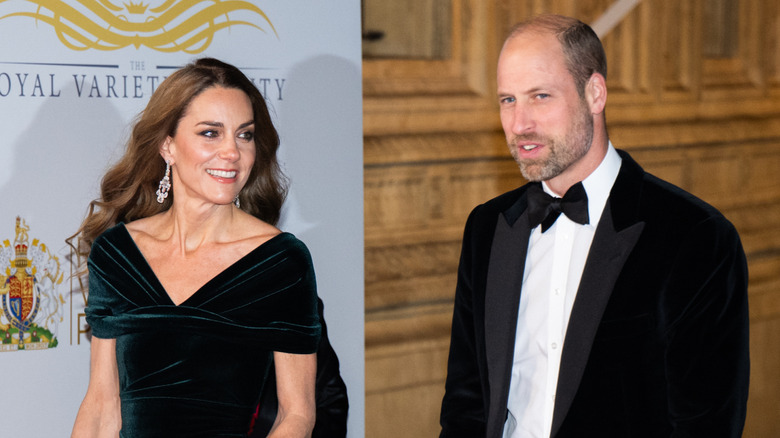
Despite having access to the finest doctors, just like the rest of us, royals still have to take commonsense precautions to stay in top form — hence the restrictions on certain foods that carry more health risks than others. When you consider that some 600 million people worldwide contract foodborne illnesses per year, of whom 420,000 succumb to them, it's no wonder that Prince William and Kate Middleton are advised to watch what they eat while on their travels. Another food in that category is raw meat, which is often contaminated with bacteria such as salmonella, E. coli, and other stomach-turning bugs. Quite a few international cuisines feature uncooked beef, from carpaccio in Italy to crudos in Chile, cig kofte in Turkey, kitfo in Ethiopia, and yookhwe in Korea.
Less of a health hazard, yet still forbidden to members of The Firm, is foie gras. While still a prince, King Charles III banned the goose-liver pâté delicacy from all of the palaces and other royal homes in 2008 for ethical reasons. The method used for enlarging the birds' livers is considered cruel, and foie gras is now banned from production in the U.K. entirely. When William and Kate dine with his father, they know that dish will be off the menu, and possibly red meat as well. The king is widely known to cut out meat and fish two days a week, alongside dairy products on one of those days too.
Kate Middleton can't turn on the tap just anywhere
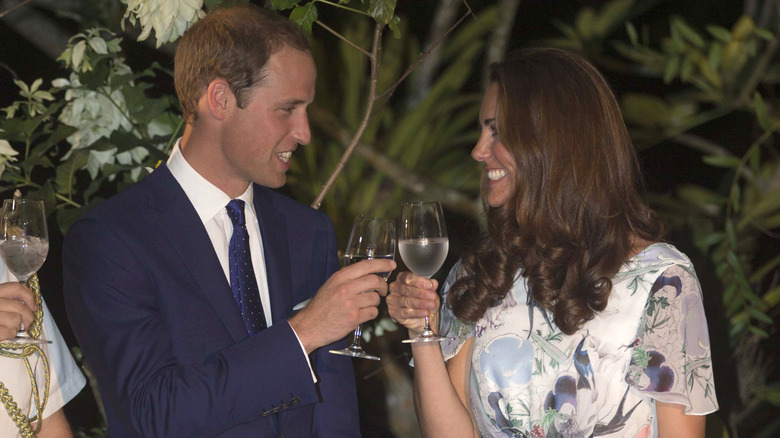
Though it's not technically a food, water is another area of caution for the Princess of Wales. Whether at home or abroad, members of The Firm are advised not to drink tap water because of the risk of bacteria upsetting their stomachs. Instead, they reach for bottled water, in particular Hildon Natural Mineral Water, a brand which received the palace's coveted Royal Warrant (the honor is granted by the reigning monarch and their designees to companies that have regularly provided their goods or services to the royal household). Kate Middleton isn't restricted to drinking just that one brand, though. Back when she was still merely the Duchess of Cambridge, Kate was spotted supplying bottles of Evian to her children while on an outing to watch a polo match.
When it comes to stronger tipples, Kate must follow certain royal rules for drinking alcohol. For instance, when traveling, the Prince and Princess of Wales' security detail must vet any establishment or event where they might be invited to raise a glass in advance. When he ascends the throne, the royal couple may even take a cue from King Charles III and Queen Camilla, who bring along their own supply of wine and spirits, in a guarded piece of luggage, to avoid the risk of accepting a tampered drink.