

Quote Of The Day By Christina Rossetti: 'If You Should Forget Me For A While...'
We may receive a commission on purchases made from links.
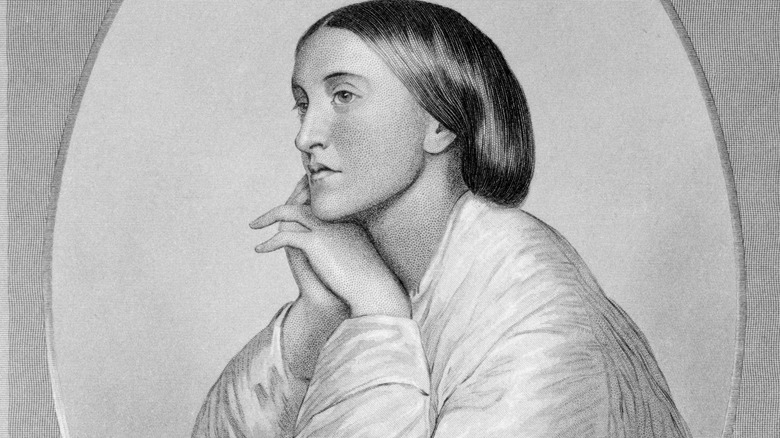
Born in England in 1830 into a creative family — her father was the Italian poet Gabriele Rossetti, and her brother was the Pre-Raphaelite artist Dante Gabriel Rossetti — Christina Georgina Rossetti quickly became one of the most important writers of the era. Christina's grandfather printed her first volume of verses when she was just 14, and she ultimately penned more than 1,100 poems across her lifetime. One of Christina's most famous works, "In the Bleak Midwinter," was even adapted into a Christmas carol that's still popular today (though thankfully it's nowhere near as overdone as the many Christmas songs we're tired of hearing on the radio).
Georgina's verses cover topics from nature to loss to jealous lovers ("Maude Clare" follows the title character as she confronts her ex's bride on their wedding day), all equally adeptly. Her writing has been favorably compared to contemporary Elizabeth Barrett Browning, and her admirers include her loyal brother. Dante once declared, "She is the finest woman-poet since Mrs. Browning, by a long way; and in artless art, if not in intellectual impulse, is greatly Mrs. Browning's superior," (per The Poetry Foundation). But some of Georgina's most thoughtful offerings are about death. She presents it as a peaceful rest rather than a dreaded fate, and urges the living not to dwell on their sorrow. A particularly beautiful example is our quote of the day.
Quote of the Day by Christina Rossetti
One of Christina Rossetti's most beloved poems is "Remember," from her first book, "The Goblin Market and Other Poems," published in 1869. Written when she was just 19, the sonnet is told in the voice of a narrator instructing a loved one on how to mourn after she dies. Naturally, the subject wants to be remembered, "Yet if you should forget me for a while / And afterwards remember, do not grieve: / For if the darkness and corruption leave / A vestige of the thoughts that once I had / Better by far you should forget and smile / Than that you should remember and be sad."
Even at her tender age, Rossetti understood both the realities of death and the practicalities of life. Rather than expecting that her beloved will, or even should, spend the rest of his life grieving her, the speaker reassures him that it's all right to let her memory go every once in a while, to focus on forging his own path forward. Simply put, moments of happiness are far preferable to a lifetime of sadness.
Deeper meaning of Rossetti's quote — Life and happiness go on even after deep loss
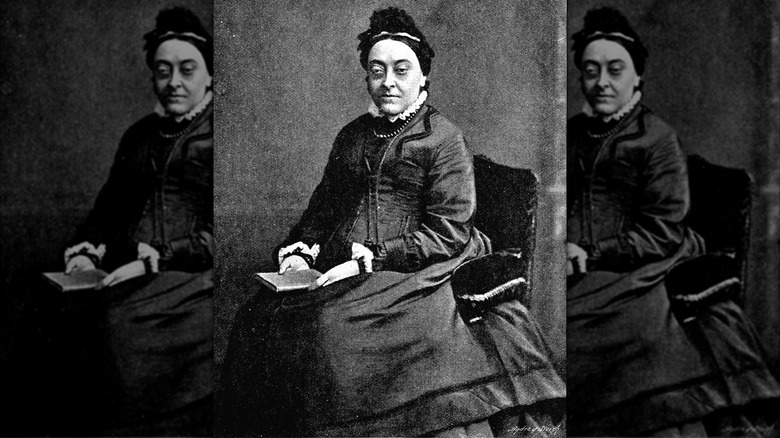
Christina Rossetti's poems frequently address the themes of life and death, subjects that became even more personal to her after she developed Graves' disease, a thyroid disorder that often causes sore and bulging eyes, along with anxiety, muscle tremors, rapid heartbeat, and an increased risk of heart disease and osteoporosis. With no effective treatments available at the time, Rossetti had to manage her symptoms and continue living as best she could. She leaned on her faith as she continued to write, publishing verses both for children (such as "The Rainbow," "Hurt No Living Thing," and "The Wind") and for adults ("Goblin Market," "The Prince's Progress").
In "Remember," Rossetti's narrator expresses hope that her loved one will think of her fondly, even though those memories may be painful. He can't hold her hand anymore, and the plans they once made will never be realized. But she also understands that a life spent in mourning is no life at all. Her dear one must make the most of the time he still has left, and if that means he has to put aside his grief for a while in order to cherish the new memories yet to come, it's a small sacrifice to make. As long as the speaker remains "a vestige" in her love's mind, she will always be part of him, but she absolves him of any guilt he may feel over not thinking of her every waking minute.
More quotes from Rossetti
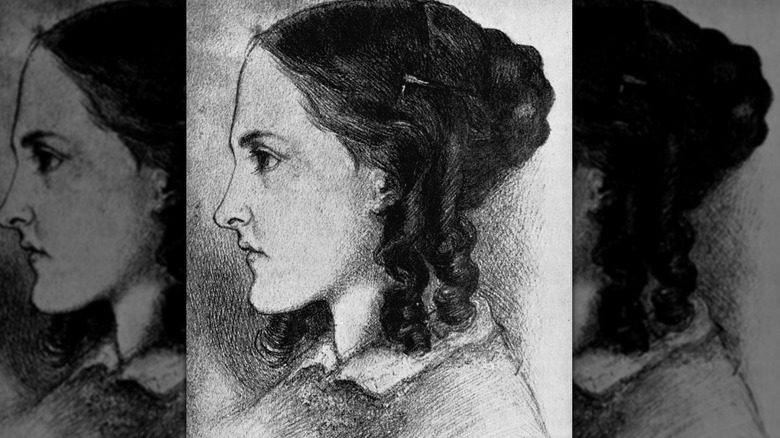
- "Who has seen the wind? Neither you nor I: / But when the trees bow down their head / The wind is passing by."
- "For there is no friend like a sister / In calm or stormy weather / To cheer one on their tedious way / To fetch one if one goes astray / To lift one if one totters down / To strengthen whilst one stands."
- "All things that pass / Are wisdom's looking-glass."
- "A diamond is a brilliant stone / To catch the world's desire; / The opal holds a fiery spark; / But a flint holds fire."
- "I have no heart? — Perhaps I have not; / But then you're mad to take offence / That I don't give you what I have not got: / Use your own common sense."