

Quote Of The Day By Philosopher David Hume: 'A Propensity To Hope And Joy Is...'
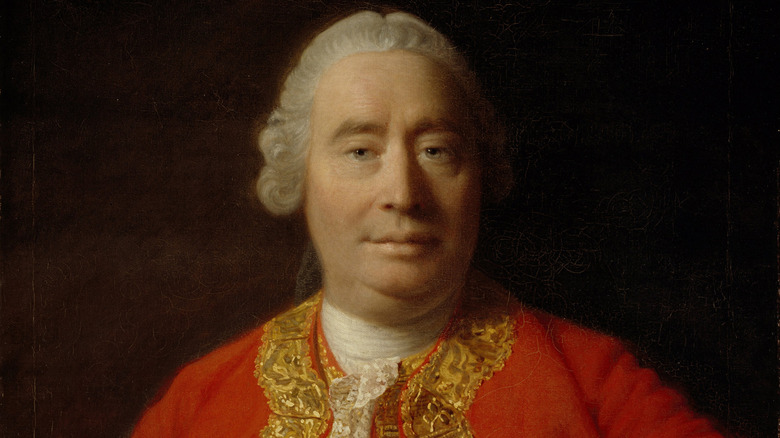
David Hume was a Scottish philosopher, historian, and essayist regarded as the last in a trio of great British Empiricists, following predecessors John Locke and George Berkeley. He is known for a number of influential philosophical works published throughout the 18th century. Born in Edinburgh in 1711, Hume was the younger son raised in a middle-class family, though his father died when he was only 2 years old. He was raised by his mother at the family estate of Ninewells, where he developed a "passion for literature" and a "studious disposition," according to his autobiographical essay, "My Own Life."
Though his family initially wanted him to pursue a law career, Hume instead had a hunger for philosophical studies, which would eventually "engender a nervous breakdown in 1729, and it would take him a few years to recover," according to the Stanford Encyclopedia of Philosophy. By 23, Hume had moved to France in 1734, where he began writing what would become one of his most influential philosophical works: "A Treatise of Human Nature," which was later published in 1739. Hume would also contribute several other works to the field, including "An Enquiry Concerning Human Understanding", published in 1748,and "An Enquiry Concerning the Principles of Morals," published in 1751. Hume died in 1776, but his impact on philosophy and empiricism would live on. His "Dialogues Concerning Natural Religion" was published posthumously in 1779. His work helped make him one of the most influential thinkers of the time — which is why he remains a great source of wisdom to provide today's quote of the day.
Quote of the Day by David Hume
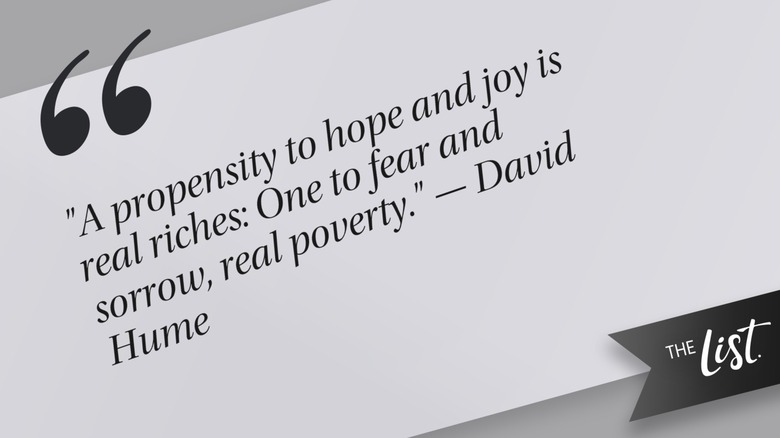
David Hume once said: "A propensity to hope and joy is real riches: One to fear and sorrow, real poverty." He wrote these words in his essay titled "The Sceptic," which was published in 1742 as part of his collection, "Essays, Moral, Political, and Literary."
In "The Sceptic," Hume does a deep-dive into the process of attaining human happiness, while critiquing and questioning other philosophical teachings that claim to provide a simple roadmap to happiness. The essay is full of quotations about Hume's view on happiness, which he seems to believe is heavily dependent on a person's mindset, and significantly varies from person to person.
Deeper Meaning of David Hume's Quote—A positive outlook is worth far more than material wealth
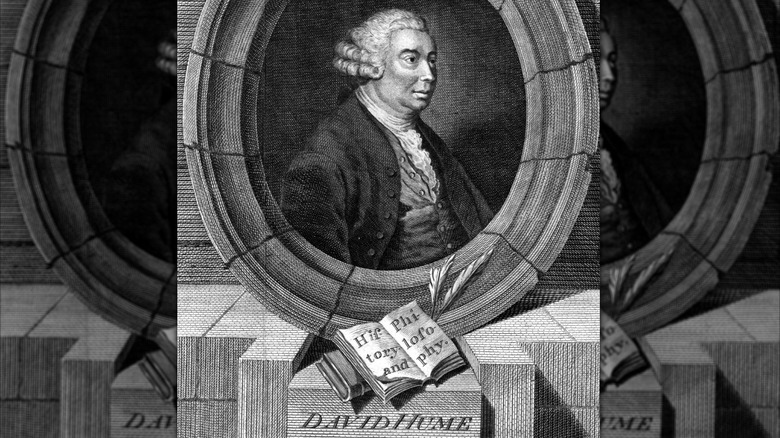
In this quote, David Hume expresses the importance of living your life with hope and joy, which he says are the true riches we should pursue. He shares that actual material wealth is irrelevant to our happiness, and that financial poverty doesn't necessarily indicate a life of sorrow. Essentially, if you have an inordinate amount of money but no hope and joy in your life, Hume would probably consider you to be poor in your heart, since you lack life's true riches. On the other hand, a person living in poverty with a positive outlook on life and the ability to find joy in the small things would actually be considered by Hume to have a lot more wealth.
To live by Hume's teachings could mean that, instead of being motivated by greed or power or living a money-hungry existence, you focus on finding inner joy and maintaining a hopeful mindset. Maybe start a gratitude journal to list the small things in your life that you're thankful for each day, or make a vision board on Pinterest to visualize all of the hopes and dreams you have for your life. You could also prioritize spending time with those you love by partaking in fun activities or outings that don't cost any money. Doing these daily practices is not only a good example of self-care but could help you lead an overall happier life, regardless of what's in your bank account.
More Quotes From David Hume
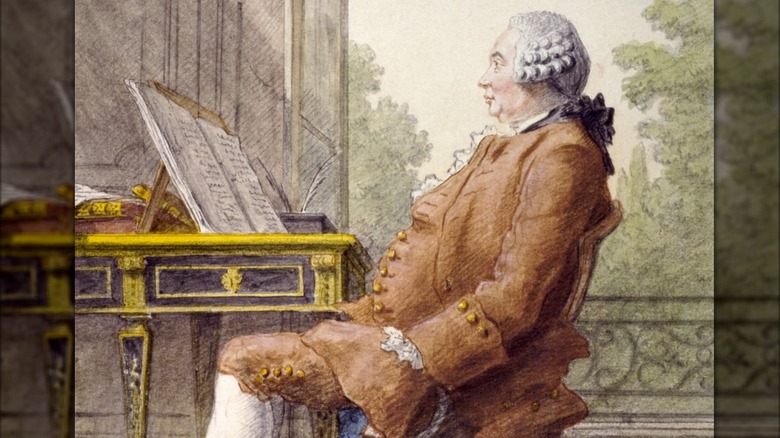
-
"Be a philosopher; but, amidst all your philosophy, be still a man."
-
"Nothing touches a man of humanity more than any instance of extraordinary delicacy in love or friendship."
-
"In a word, human life is more governed by fortune than by reason."
-
"Love is always follow'd by a desire of the happiness of the person belov'd, and an aversion to his misery."
-
"A propensity to the tender passions makes a man agreeable and useful in all the parts of life."