

The One Thing Most Royals Have When It Comes To Their Marriages
As much as we Americans appreciate our system of government, we still enjoy hearing about the doings of royalty. (Blame all those Disney princess movies.) Royal weddings and their traditions, of course, top the list; it's fun to learn the hidden meanings behind such elements as the flowers in the bridal bouquet. Yet unlike centuries past, one convention has gone by the wayside. Once upon a time, monarchs and their families were expected to marry other royals or nobles for political reasons. (Some of Henry VIII's wives surely wished they'd had a choice in the matter.) Today, many members of the British royal family have looked outside the palace walls when choosing a spouse.
True, the late Queen Elizabeth II and Prince Philip had an all-royal relationship. The couple met when the then-princess was barely in her teens, and married seven years later. There was no question as to the groom's pedigree; not only was Philip his wife's third cousin, but his parents were also royals from Greece and Denmark. Their children and grandchildren, however, all opted to wed commoners — and two of them did so more than once.
Princess Anne's two former husbands were both in the military. Her marriage to Capt. Mark Phillips lasted 19 years, and she's been married to naval officer Sir Timothy Lawrence since 1992. The former Sophie Rhys-Jones was a public relations executive before tying the knot with Prince Edward and Sarah Ferguson held a number of private-sector jobs prior to catching the eye of Andrew Mountbatten-Windsor. King Charles III first dipped into the well of nobility by marrying the then-Diana Spencer, but his true (and current) love was Camilla Parker Bowles, who was initially scorned by some in The Firm for her lack of royal connections.
American royal brides have had a hard time of it
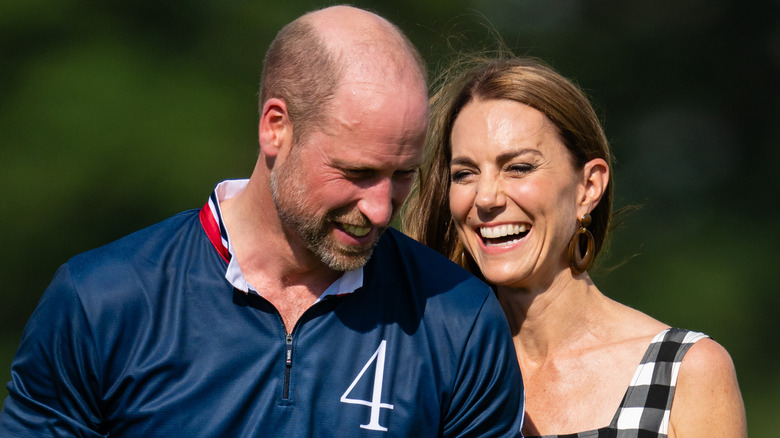
Now that members of The Firm do not have to consider international diplomacy when choosing a spouse, it's easier for them to find romance. Granted, they usually look within their social circles, like when William, Prince of Wales, met Catherine, Princess of Wales, at St. Andrews University. (They were in the same freshman dorm, for Pete's sake. He didn't even have to wander around campus to get a date.) Having learned from his parents' mistakes, William makes sure his marriage to Kate doesn't end up like Charles and Diana's by prioritizing their bond above his princely duty.
Royals do seem to have a harder time when they pursue love with American commoners, though. King Edward VIII fell for Baltimore socialite Wallis Simpson six years before his coronation, but she was still married to her second husband at the time. Even after her divorce, the palace opposed her relationship with the king, so Edward opted to abdicate the throne. Of course, this paved the way for his brother, George VI, to succeed him, and once he died, his older daughter, Elizabeth, made a bit of a name for herself.
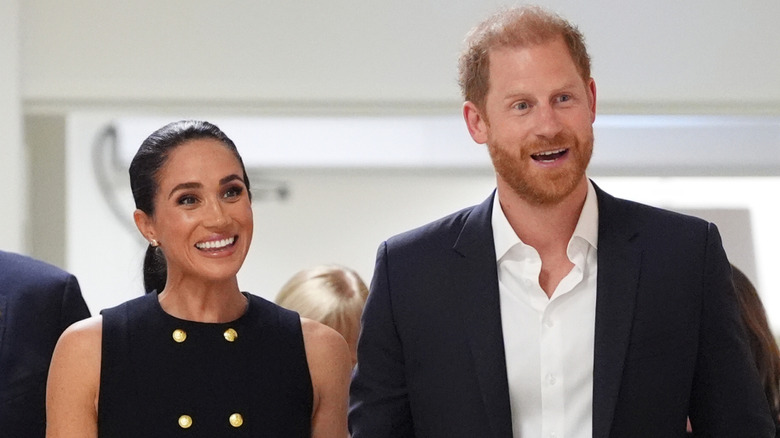
More recently, Prince Harry, Duke of Sussex, faced similar drama in his choice of wife. Meghan Markle, Duchess of Sussex, is American, not socially connected, divorced, and biracial — an unprecedented avalanche of tradition-flouting. Ever since their 2018 wedding, the gossip mill has churned overtime with stories of Meghan's supposed disrespect for the palace and the prince's reported regrets over his marriage. Harry has addressed the divorce rumors with grace and good humor, no doubt realizing it takes time for the public to accept such a huge change in the centuries-long tradition of royal unions.