
Quote Of The Day By Søren Kierkegaard: 'The Greatest Hazard Of All, Losing One's Self, Can Occur Very Quietly...'
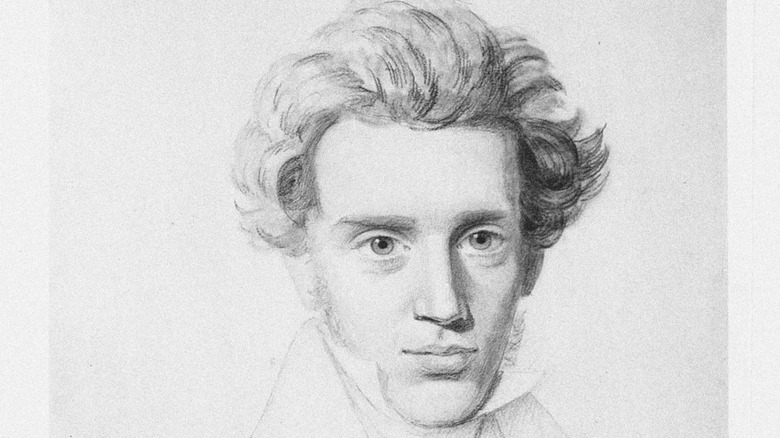
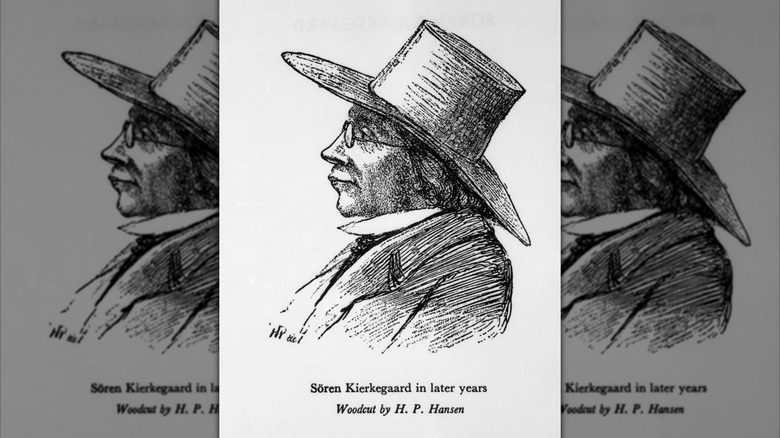
Søren Kierkegaard is one of the most influential philosophers in history, and his ideas paved the way for existentialism as we know it. Born 1813 in Copenhagen, Denmark, Kierkegaard struggled with his Christian faith that left his father consumed by guilt in ways that had a profound effect on his children. In 1830, he left home for the University of Copenhagen, where he planned to study theology, although his focus soon pivoted to literature and philosophy.
Starting with his dissertation, "On the Concept of Irony, with Constant Reference to Socrates," Kierkegaard wrote many important and enduring works in the years that followed, including "Either/Or: A Fragment of Life," "Fear and Trembling," "The Sickness unto Death, "The Concept of Anxiety," and more. Throughout the many trials in his life and the clear mental impact they had on him, Kierkegaard shared his deep, philosophical thoughts with the world. He often pondered God, religion, how to be true to oneself, and how to deal with the weighty anxiety of human existence. Through his work, he became known as the "Father of Existentialism," and that's why Kierkegaard's wise warning is today's quote of the day.
Quote of the day by Søren Kierkegaard
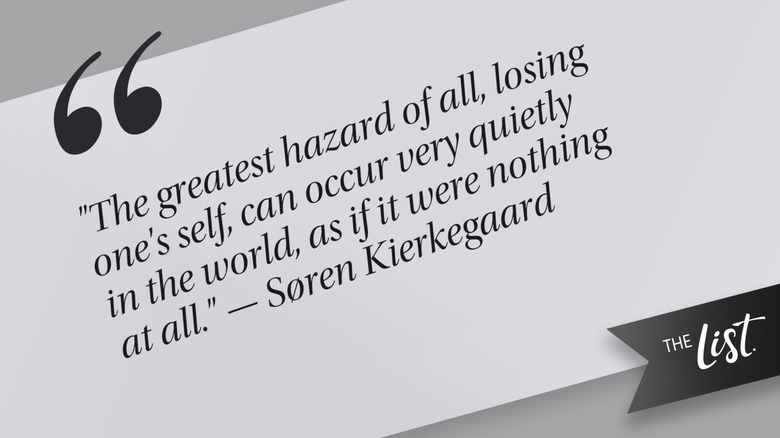
"The greatest hazard of all, losing one's self, can occur very quietly in the world, as if it were nothing at all." Søren Kierkegaard shared this wisdom in his book "The Sickness unto Death" in 1849. It reminds us that staying true to yourself should never be pushed aside or forgotten.
Deeper Meaning of Søren Kierkegaard's Quote—Let what matters to you take priority
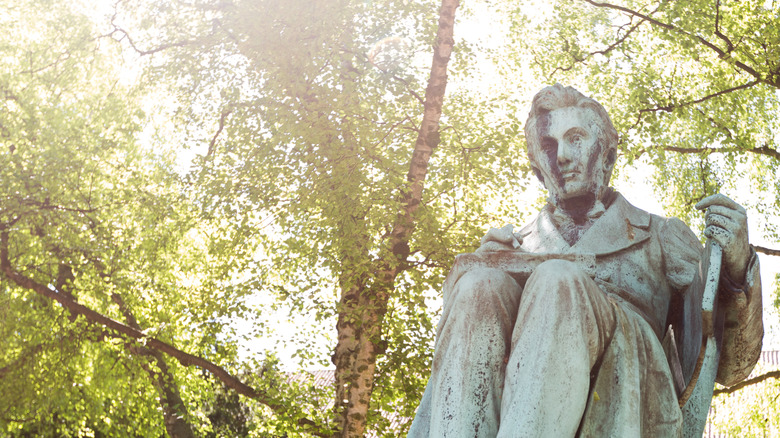
It's easy to lose touch with who you really are, what matters most to you, and what truly makes you happy. We can get caught up in what we believe we're supposed to do and what society instructs us to focus on. This causes people to lose sight of what makes them who they are and what they care about. Throughout busy day-to-day life, it's easy to let the things that make you unique and inspire you slip away, often without even noticing that the part of you that feels truly alive is distant.
Throughout his life, there were times when Søren Kierkegaard seemed to set out on the path others likely wanted for him, only to later change course. He tried to be religious like his father, only to question it. He went to school for theology before changing his focus. He got engaged and later broke it off. There were likely times when Kierkegaard was losing himself in his choices and adjusted his trajectory accordingly. We are all instructed to prioritize certain things in our lives. Honoring your wants and staying in touch with who you truly are often take a backseat. As it gets increasingly difficult to balance the things society and life require of us, it is vital for our well-being to remember that our needs, hobbies, and passions are some of the most important things in our lives.
More Quotes From Søren Kierkegaard
- "It is perfectly true, as the philosophers say, that life must be understood backwards. But they forget the other proposition, that it must be lived forwards."
- "Love is the expression of the one who loves, not of the one who is loved. Those who think they can love only the people they prefer do not love at all. Love discovers truths about individuals that others cannot see."
- "Life is not a problem to be solved, but a reality to be experienced."
- "If anyone on the verge of action should judge himself according to the outcome, he would never begin."
- "Marry, and you will regret it; don't marry, you will also regret it; marry or don't marry, you will regret it either way. Laugh at the world's foolishness, you will regret it; weep over it, you will regret that too; laugh at the world's foolishness or weep over it, you will regret both. Believe a woman, you will regret it; believe her not, you will also regret it... Hang yourself, you will regret it; do not hang yourself, and you will regret that too; hang yourself or don't hang yourself, you'll regret it either way; whether you hang yourself or do not hang yourself, you will regret both. This, gentlemen, is the essence of all philosophy."