

Quote Of The Day By Epictetus: 'And Do You Feel No Shame In Handing Over...'
We may receive a commission on purchases made from links.
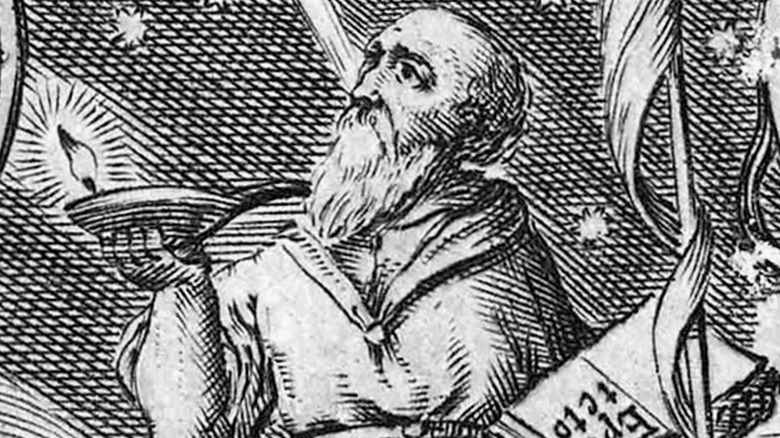
The ancient Greek philosopher Epictetus walked the earth almost 2,000 years ago, yet he still remains as one of the most influential Stoic thinkers. Born into slavery around 50 BCE in Hierapolis, Phrygia (present-day Pamukkale, Turkey), Epictetus' life was plagued by hardship. Even once he was freed and living in Rome, Epictetus was lame, believed by some historians to have been injured by his former master, Epaphroditus. (Others, however, believe he may have had a physical impairment from birth or that it developed naturally.) Around 93 CE, Epictetus was exiled from Rome by the Emperor Domitian, who believed that philosophical thinkers posed a threat to his autocratic rule.
After he was exiled, Epictetus traveled to Nicopolis in Greece, where he founded his own philosophical school. He spent the rest of his life passing down his ideas in Stoicism, giving lectures on topics like morality, acceptance, and resilience. Epictetus died around 135 CE, but his groundbreaking philosophy continued to live on. With the help of his former student, Arrian, Epictetus' teachings were compiled into books that would reach those interested in Stoicism for thousands of years to come. Equipped with his own experience navigating the uncontrollable hardships of life, as well as his pioneering wisdom in philosophical thinking, there is perhaps no one better than Epictetus to provide today's quote of the day.
Quote of the Day by Epictetus
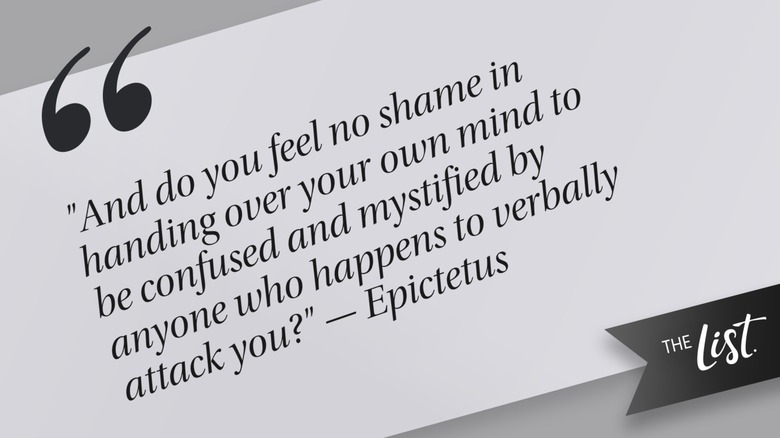
Epictetus once posed the question: "And do you feel no shame in handing over your own mind to be confused and mystified by anyone who happens to verbally attack you?"
The quote comes from Chapter 28 in "The Enchiridion," which is a collection of teachings and ethical advice from Epictetus, as told by his student, Arrian. Similar to the book "The Discourses of Epictetus," which features informal lectures from Epictetus transcribed from Arrian's notes, "The Enchiridion" was also compiled by Arrian following his time spent learning in Epictetus' classroom.
Arrian is reported to have written down the contents of "Discourses" around 108 CE, while "The Enchiridion" didn't come along until around 125 CE. "The Enchiridion," which means "manual" or "handbook," is a condensed version of Epictetus' teachings broken into 52 short chapters containing concise guidelines and rules for living the best life. Some of the fundamental ideas in the handbook focus on teaching one to accept what they can't control and to tune out the criticism of the outside world.
Deeper Meaning of Epictetus' Quote — Your mind is yours alone; don't surrender it to others
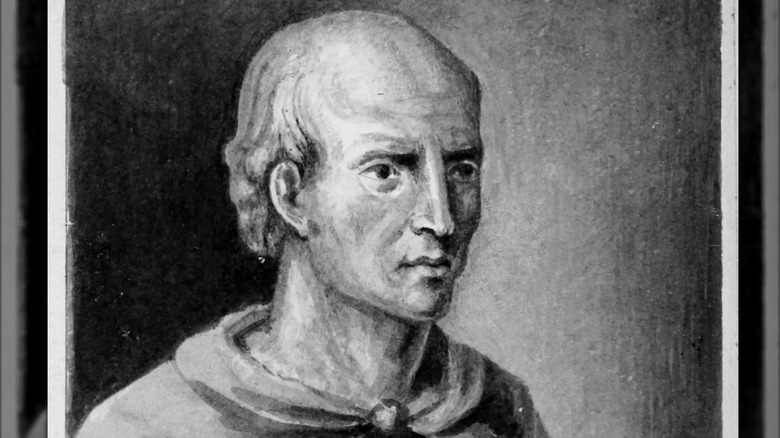
In Epictetus' quote, he was essentially saying that paying attention to negativity and criticism, or "handing over your own mind" to someone else, would be a disservice to ourselves. Focusing on judgments or "verbal [attacks]" from others inherently gives them space in our minds, which Epictetus strongly warned against.
In the full passage containing this quote from Epictetus, he also said, "If a person gave your body to any stranger he met on his way, you would certainly be angry." Basically, he pointed out that we consider our physical bodies to be an asset that only we have the rights to, but when it comes to our thoughts, we often let outside influence and the opinions of others take ownership of our mental space.
To better live by the philosophy Epictetus laid out in this teaching, we can make a concerted effort to remain indifferent to the judgments of others. When someone's harsh, hurtful, or critical words try to get stuck in our brains, we should boot them out; lock out the negativity from everyone and everything else, and remember that your mind belongs to you alone.
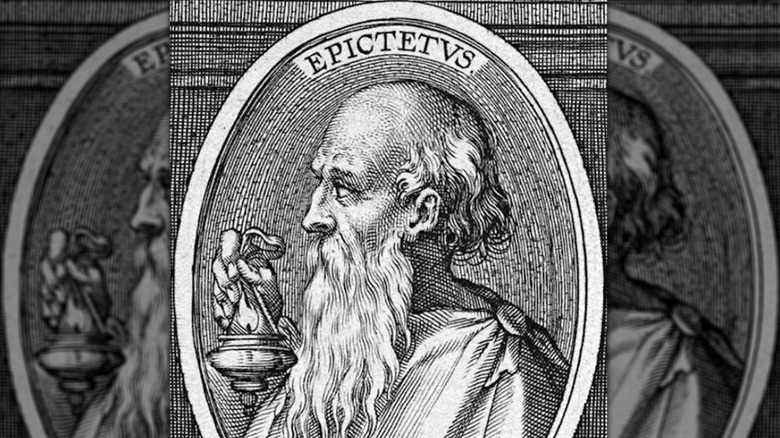
More Quotes From Epictetus
-
"Don't you know that a good and excellent person does nothing for the sake of appearances, but only for the sake of having acted right?"
-
"If you tell me that you desire a fig, I answer you that there must be time. Let it first blossom, then bear fruit, then ripen."
-
"Whoever then understands what is good can also know how to love; but he who cannot distinguish good from bad, and things which are neither good nor bad from both, how can he possess the power of loving?"
-
"The wise and good man neither himself fights with any person, nor does he allow another, so far as he can prevent it."
-
"And why do you not come forth and proclaim that you are at peace with all men whatever they may do, and laugh at those chiefly who think that they can harm you?"