

This Iconic '70s Movie Starring Robert De Niro Was Written In Only 10 Days
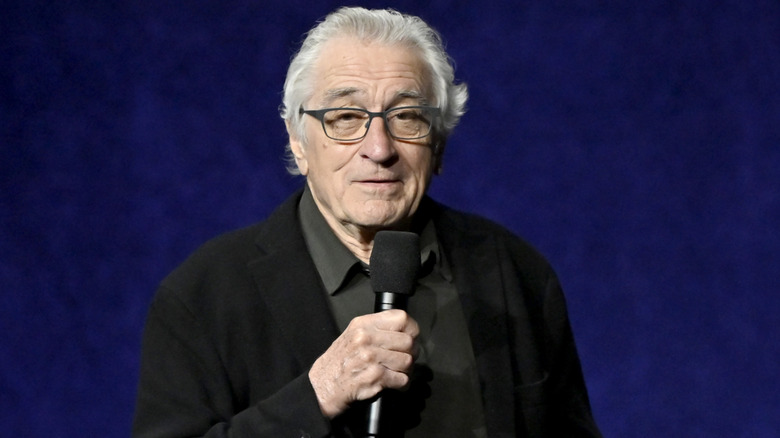
When discussing some of the most iconic films of the 1970s, right alongside classics like "Jaws," "The Godfather," and the original "Star Wars," you'd be remiss not to mention "Taxi Driver," the 1976 thriller that saw Robert De Niro share the screen with a young Jodie Foster. The film remains a timeless triumph in its own right, and continues to inspire filmmakers decades later. That's why it may shock you to learn that it was originally written in what feels like an impossibly short time frame.
At the time of the film's release, De Niro — who starred as mentally unstable antihero Travis Bickle — was quickly becoming an established name in the industry, 11 years removed from his uncredited debut role in "Three Rooms in Manhattan" (though he filmed an earlier picture, "The Wedding Party," that wouldn't be released until 1969). "Taxi Driver" also marked the second big-screen entry in what would prove to be a successful and long-standing friendship and creative partnership between De Niro and director Martin Scorsese.
The screenplay for "Taxi Driver" was penned by Paul Schrader, another frequent collaborator of Scorsese's who later wrote his films "Raging Bull" (which also starred De Niro), "The Last Temptation of Christ," and "Bringing Out the Dead." As the story goes, Schrader completed his first draft of what would turn into an era-defining piece of cinema in just 10 days. That being said, there was still work to be done after the fact.
Reflecting on the experience during a February 2026 interview with The Guardian, Schrader said, "I wrote one draft and immediately started rewriting. I needed to exorcise this character. If I didn't write about him, I'm afraid I might become him." The screenwriter further recalled that he originally tried to get future "Scarface" director Brian De Palma to helm the film, but the script found its way to Scorsese instead.
The enduring, 'feminist' legacy of Taxi Driver
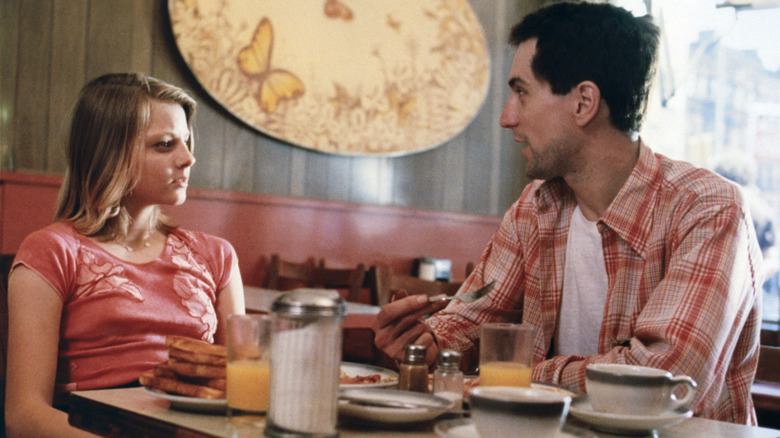
From the get-go, "Taxi Driver" was always a film that had a lot to say. Martin Scorsese and Paul Schrader's 1976 masterpiece acts as both a meditation on social isolation and a cautionary tale about what can happen when it goes unchecked. In fact, during an interview with the American Film Institute in 2019, Schrader described writing the film as a form of therapy to treat the mental turmoil he himself was experiencing at the time.
"The idea of a taxi cab came to me — this yellow, metal coffin floating through the sewer of the city with this boy trapped inside who can't get out, who looks like he's in a crowd, but he's desperately alone," the writer reflected. "And I said, 'That's who I am.' ... I wrote that story as self-therapy, because I figured, if I can write about him, I don't have to become him," he continued, echoing his remarks from the later Guardian interview.
Clearly, many of the themes present in "Taxi Driver" regarding mental health remain relevant today. If you ask Scorsese, though, the film has another legacy — a feminist one. During a 1976 interview with Roger Ebert (which was later re-published on Ebert's website in 2012), Scorsese rejected the notion that 1974's "Alice Doesn't Live Here Anymore" was his most feminist work, saying that title belonged to "Taxi Driver" instead.
Explaining how exactly a film about a man who cannot genuinely empathize with women in the slightest is feminist, the director said, "Because it takes macho to its logical conclusion. The better man is the man who can kill you. This one shows that kind of thinking, shows the kinds of problems some men have, bouncing back and forth between the goddesses and whores."