

The Unspoken Rules Of Reality TV No One Talks About
The following article contains a brief mention of murder.
At first glance, the perks of being on reality TV can appear to outweigh any negatives. For those looking for their big break, national exposure is immediate and, depending on how well one comes off, long-lasting. Plenty of reality TV kids live insanely lavish lives based on their parents' success in this sector. Large cash prizes, weekly stipends, free meals and travel, the potential for endorsements and partnerships with brands exist, and people who play their cards right can really make the most of it.
In actuality, however, anyone who agrees to be featured on reality TV has their work cut out for them. Cast members have to follow so many rules that will make anyone's head spin, or at least question why someone would voluntarily sign up at all. Some of these millions of rules may be common knowledge, but many have been strictly enforced for much longer than people realize.
Production teams have control over confessionals and interviews
Confessionals and other episodic interviews are just as important as the actual content on a reality TV program — sometimes even more so, depending on the context. When a cast member gets directly in front of a camera and shares what's on their mind, iconic things can easily happen. Memorable standout confessionals in reality TV history include Tiffany "New York" Pollard's rant against Gemma Collins on "Celebrity Big Brother" and NeNe Leakes' monologue about Kenya Moore's apartment on "The Real Housewives of Atlanta."
It can be hard to spot since production teams know how to work some serious magic, but plenty of confessionals, broadcast interviews, and even reactions amongst cast members can become so distorted in post-production that they end up perpetuating a false narrative. This editing trick, called "Frankenbiting," effortlessly raises the stakes when people or situations alone just don't seem to cut it.
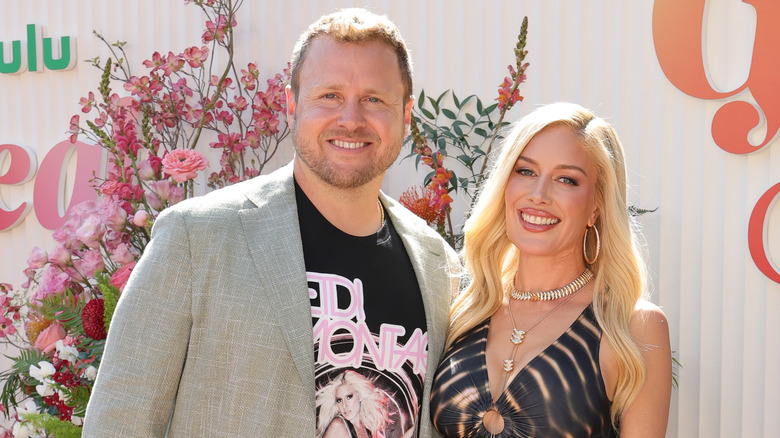
Spencer Pratt and Heidi Montag, who appeared on "The Hills" in the late 2000s, are two reality stars who have talked about Frankenbiting several times over the years. "I was just like, 'We need storylines.' When you're chasing storylines, it's very challenging. It's hard enough to have a relationship in any case, let alone one where you're trying to make fiction," Pratt once told Vulture in 2016. The pair further alleged that several scenes on "The Hills" were faked.
Cast members can't wear or consume any branded materials
Reality TV connoisseurs have seen large black boxes more times than they can probably remember, let alone count, although their purpose may not be as recognized. These dark pieces of tape, cloth, or other materials can appear on almost anything: clothes, water bottles, plates, shoes, household items, food, and even a person's body. What could be so bad that it needs to be concealed on national television?
The good news is that these cover-ups aren't bad at all and have no actual effect on reality TV — they're just used to hide brand logos and other identifiable markings. Essentially, other companies and their products can't be featured on reality TV to prevent copyright or trademark infringement. Items are ultimately blacked out or blurred in the name of business, not legality.
There is one blatant exception to this rule, though. Branded logos can be displayed on reality TV programs as long as they're part of an agreed-upon marketing ploy, like product placement. Notable examples (that happen to be food-related, but can encompass anything) include Outback Steakhouse on "Survivor," McDonald's on "The Bachelor," and Wendy's on "Big Brother Canada."
Producers and casting teams handpick more people than you might think
Finding people to appear on reality TV might sound easy, but in truth, casting teams have their work cut out for them. Specific steps vary, but the general pipeline from ordinary person to reality TV star goes like this: submit an online application, film an audition video or attend a casting call, go through several interviews, and then undergo background checks.
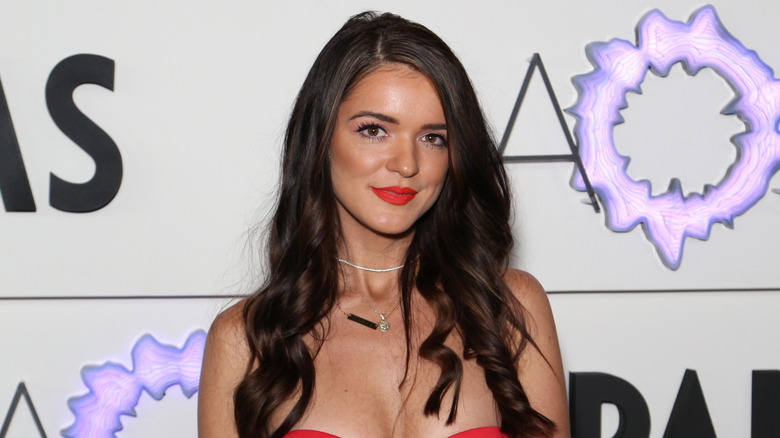
All that said, casting directors and production companies hand-select pre-discovered contestants all the time, although they won't admit it. Cast members can be scouted and recruited for several reasons, such as their looks or prospective ability to shake things up. Bachelor Nation star Raven Gates inadvertently fell into this category, for example, after she posted on Instagram, "I used to trade information in exchange for no interviews for a day. ... I stayed up with producers to map out the drama," (via Reddit).
"Production plants," as these people are nicknamed, have caused particular controversy on other shows like "America's Next Top Model" and "American Idol" over the years. Saleisha Stowers' ANTM Cycle 9 win in 2007 was met with some pretty significant outcry, for instance, because Stowers had previously met Tyra Banks and starred in several commercials. Carly Smithson faced similar backlash on "American Idol" Season 7: Smithson progressed to the live shows despite being previously signed to a record label.
Production teams hate when something happens off-camera (and have no qualms trying to re-create it)
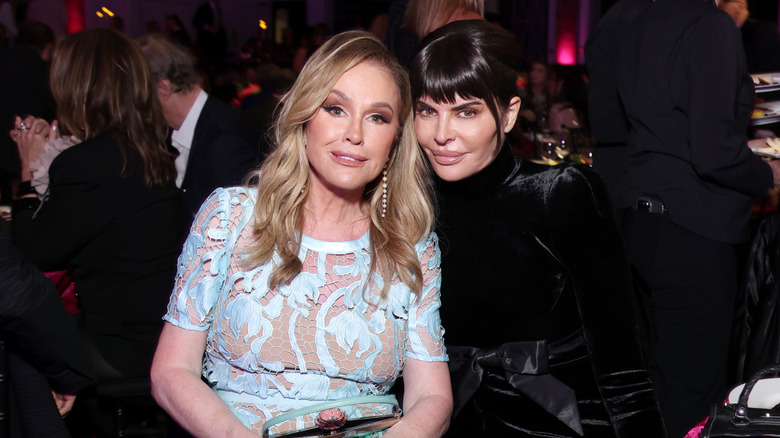
Those chosen to appear on reality TV essentially waive their right to privacy during filming. Unless someone's in the shower or doing other personal business in the bathroom, camera operators can capture anything they see fit, even if a lot gets left out in the end. Although they always end up with too much film to work with, production teams hate it when something juicy happens when the cameras turn off for the night.
In more recent reality TV history, this notion was the talk of the town on "The Real Housewives of Beverly Hills" Season 12. During a cast trip to Aspen, Lisa Rinna alleged that Kathy Hilton had a meltdown of epic proportions — one that, unfortunately for viewers and producers, wasn't caught on camera. Bravo aired text messages sent between Rinna and Erika Girardi, but had nothing else to work with other than hearsay. "You know that I'm a shade assassin. I'm going to want to show it. If it was on a producer's phone, we would show it, trust me," Andy Cohen remarked at BravoCon 2022 (via Bravo).
Although some reality TV stars dig their own graves, the 'bad edit' trope is alive and well
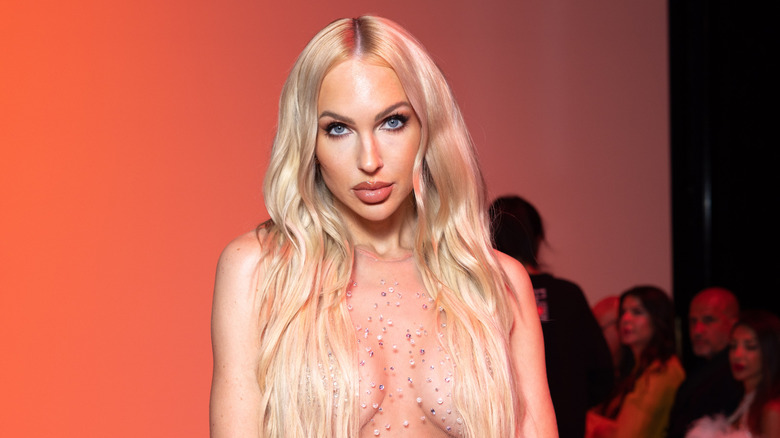
Tiffany "New York" Pollard's stint on VH1's "Flavor of Love" proved that everyone can appreciate a good villain, especially when they embrace it — emphasis on the word "good," though. Tom Sandoval's scandalous relationship history on "Vanderpump Rules" certainly didn't earn him brownie points, for instance. The same could be said about Jonny Fairplay, who solidified his villain status when he lied about having a dead grandmother on "Survivor: Pearl Islands."
More often than not, how a person comes off on reality TV isn't too dramatically far from the truth. That said, the "bad edit" trope and its instant ability to villainize anyone the head honchos see fit are certainly real — and deliberately used to create drama and increase ratings. "It is 100% manipulated," an anonymous producer once told Vice. "We'll say, 'Okay, so this person, we're going to be keeping around for a while because they're going to be a villain, and there'll be good television.'"
Plenty of people have accused production teams of giving them a "bad edit" after their respective stints on TV, usually to excuse unsightly behavior or public backlash. "I feel like there's definitely favoritism in the editing room, and that is what it is on the show, but I do the best [I can]," Christine Quinn from Netflix's "Selling Sunset" told the "Daily Pop" talk show in 2021 (via US Weekly).
If you're not on a singing show, don't even think about trying to carry a tune
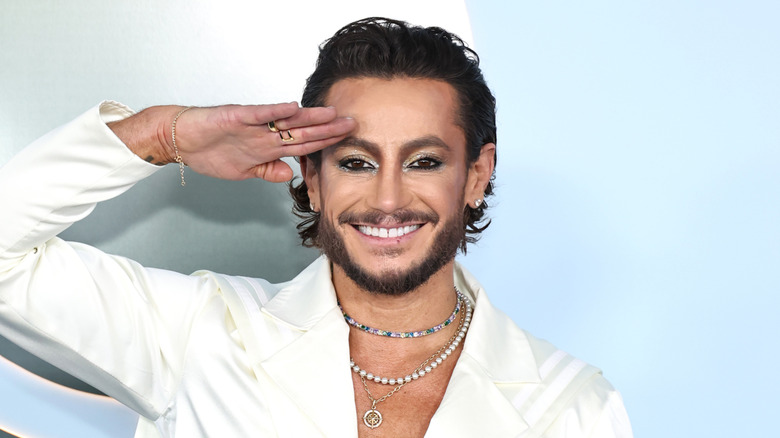
If there's one reality TV subgenre that's held strong over the years, it's the world of singing. "American Idol," "America's Got Talent," "The Voice" — these are just a few of many singing competitions that routinely put people on the map, whether for their standout vocals or unexpected viral moments. Musical copyright and ownership are revered, which means contestants on these shows can only deliver breakout performances during filming.
If there's one reality show that has made its displeasure for singing known, it's "Big Brother." Whenever someone gives the slightest indication that they're about to burst into song, the production team does one of three things: mute the person, cut the camera focused on them, or explicitly tell them to stop singing. "I recognize that English can be a difficult language to comprehend, but stop still means stop. Please stop singing," a houseguest once hilariously got a stern warning on "Big Brother" Season 16 (via Reddit).
Although reality shows have an uphill battle with musical copyright, plenty of cast members over the years were either musicians before their TV debut or found success after the fact. Hollywood stars who launched their careers on reality TV shows include rapper Cardi B ("Love and Hip Hop: New York"), superstar Lady Gaga ("Boiling Points"), and performer Heather Morris ("So You Think You Can Dance").
Everyone on reality TV has to go through extensive background checks
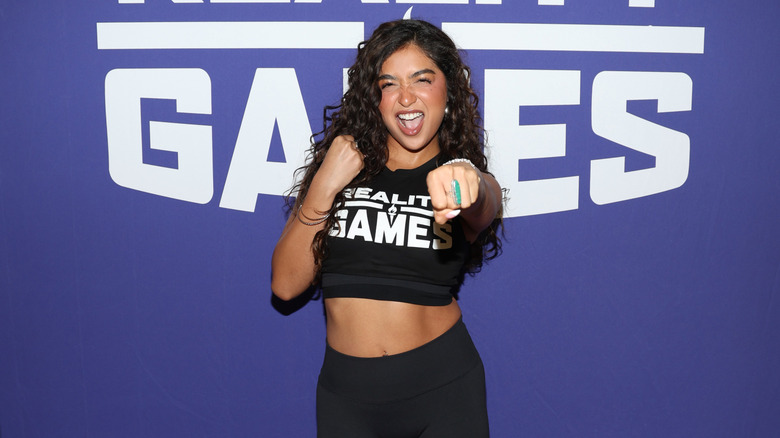
In the early days of reality television — starting with MTV's "The Real World," which premiered in 1992 — background checks were a thing, but they certainly weren't that thorough. Prospective cast members conversed with crew members, and registries were combed through, but in-depth assessments were not conducted, and records outside the United States were rarely searched, either. This caused massive controversy in 2009, when a Canadian contestant on VH1's "Megan Wants a Millionaire," Ryan Jenkins, allegedly murdered his wife, Jasmine Fiore.
After that, background checks became an extensive, non-negotiable process for any potential cast member. Today, anyone up for a spot on reality TV has pretty much their entire professional and personal life examined before their on-camera debut: criminal records, civil records, financial records, social media posts, employment history, friends, and family. If there's something to uncover about someone, production teams will do their best to find it. Several psychological examinations are also required.
Despite the severity of these modern background checks, contestants with unsightly histories still manage to seep through the cracks. This has become somewhat of an infamous trend on the reality dating competition series "Love Island USA," in which three contestants were booted across two seasons for controversial social media posts: Yulissa Escobar (Season 7), Cierra Ortega (Season 7), and Vasana Montgomery (Season 8).
Production teams lie to cast members all the time
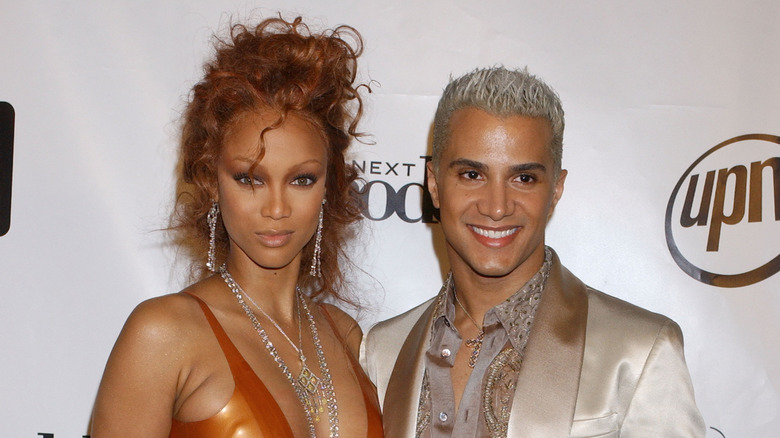
If the reality TV genre were humanized and then placed in a court of law, "Do you swear to tell the truth, the whole truth, and nothing but the truth?" would be answered with a giant, "No." Outside of the basic, most pertinent information, behind-the-scenes staff are not morally or legally required to share every detail with cast members. It's perfectly "acceptable" to lie outright to get a reaction.
An egregious example of this remains one of the biggest scandals in "America's Next Top Model" history. For Cycle 16, the production team pulled a cringeworthy prank on the chosen contestants: The women were initially told they didn't make it into the house and that another group did — until the curtains came down and the ruse was revealed. So what happened to the other contestants who were told they made it into the competition, but didn't? "They cut the cameras ... [casting director Michelle Mock] she just came on the bus and pretty much got straight to the point," one of the cut models, Molly, told Oliver Twixt.
That horrible lie was a major one in reality TV history, although it barely skims the surface of how many have been uttered over the years. One more recent blatant example of this occurred on the reality show "Pop Star Academy: KATSEYE." The women (and viewers) were initially told that they were in a training program to possibly become members of the girl group KATSEYE. Halfway through, though, it was revealed that they were to participate in an elimination series determined by public voting.
Breaking an NDA is one of the worst things a cast member can do
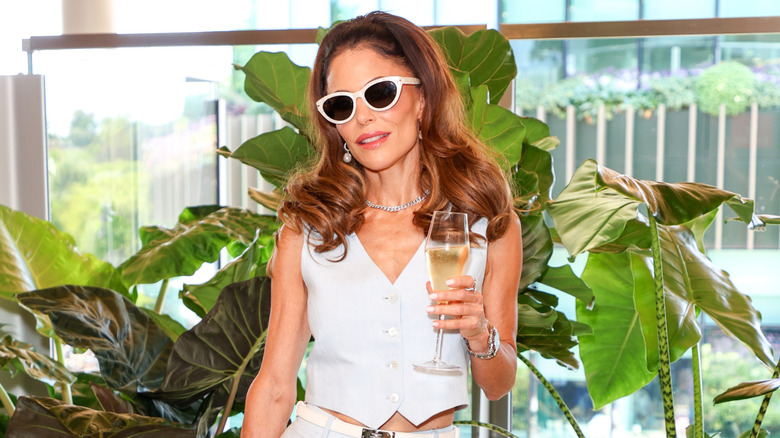
Those who want to be on reality TV must sign an NDA to even think about getting close to a camera. Non-disclosure agreements, at their core, are legally binding documents that forbid contestants, cast members, or anyone else with a grain of information from spilling the beans. NDAs can be used for a variety of important matters, and in reality TV, they're signed, sealed, and delivered long before production begins.
What happens when someone affiliated with reality TV breaks an NDA? While specific consequences vary, there are two big words an NDA breaker should expect to hear: unemployment and lawsuit. In 2026, as one now-infamous example, a member of Bravo's production crew leaked audio from the "Summer House" Season 10 reunion. "When I tell you that I was mad ... it felt like a violation," Andy Cohen described on Sirius XM's "Radio Andy."
In 2023, "Real Housewives of New York City" alum Bethenny Frankel spearheaded a campaign against Bravo and NBCUniversal; she alleged that their NDAs were too strict and did not allow people to speak out against assault and other misconduct without threats. "Confidentiality clauses are standard practice in reality programming to prevent disclosure of storylines prior to air. To be clear: any current or former cast or crew is free to discuss and disclose any allegedly unlawful acts in the workplace," a spokesperson for Bravo told Variety.
Producers can heavily influence who goes home on reality TV competitions and game shows
No one likes to be let go or eliminated from something, especially when their dismissal gets filmed for the world to see and then promptly uploaded to YouTube. Elimination-based reality shows are often highly debated, especially when audiences at home have a say. Judges may bring expertise to the table, but they receive heavy backlash when viewers don't buy what they're trying to sell.
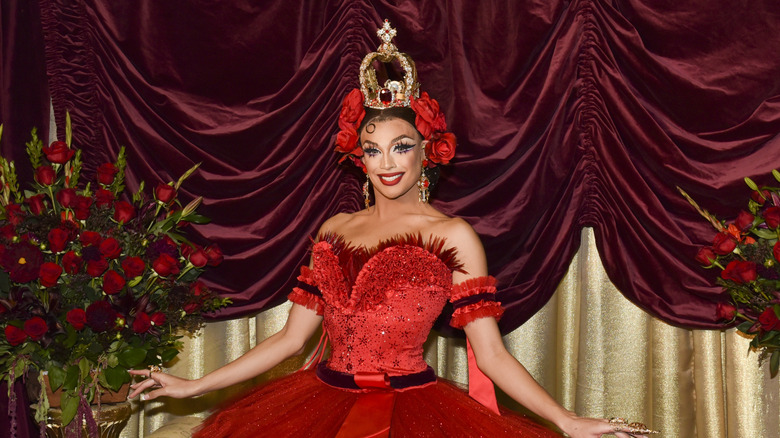
While reality TV judges confer with each other to determine which contestant will go home at the end of each episode, the ultimate decision may be left to those off-camera. Producers may coyly influence or manipulate eliminations for several reasons, especially if there's a chance to make headlines or go viral. Take drag superstar Valentina, for instance. Although it was her first time in the bottom 2 on Season 9, her "I'd like to keep it on, please," moment led to one of the most dramatic eliminations in "RuPaul's Drag Race" history.
To be clear, those behind the camera do not get to swing a hatchet and declare that a specific person must go home; for shows like "American Idol" and "Dancing with the Stars," it's illegal to tamper with any votes. Instead, producers can manipulate how votes are shared for maximum drama, such as having them read in a specific order.
Most of the food on cooking shows looks hot but is really stone-cold
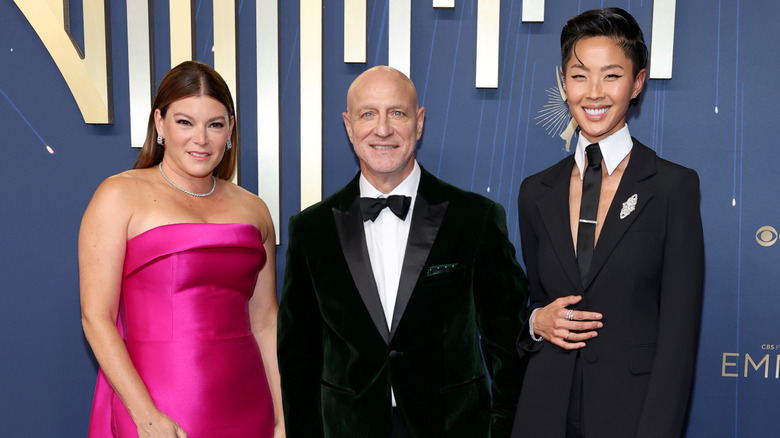
Although there have been some pretty big failures in "Top Chef" history, the dishes contestants manage to push out at record speed usually look nothing short of spectacular. The same goes for other programs like "MasterChef" and "Hell's Kitchen," which love to ramp up the drama but never skimp on the good eats.
While there's no doubt that these people can cook their hats off, viewers may not realize that their plates are not judged 100% authentically. While food is cooked at the right temperature, it's almost always stone cold by the time it's actually eaten. On shows like "MasterChef" and "Top Chef," elements may be tasted mid-cook so that the judges can get a good sense of the contestants' intended profile. A chef's final product, however, could be consumed up to hours later.
There are several reasons why food may take a while to taste on cooking shows, including the number of contestants left in the competition and how long it takes to set up picture-perfect lights. "Everyone understands there is a process to making a television show, and food might have to sit out for a little longer than in a regular restaurant," "MasterChef" executive producer Michael Heyerman told Us Weekly. "While temperature is, of course, important, the judges take technique and taste into consideration."
Contestants on shows like 'Survivor' and 'Big Brother' can't talk to each other until the competition officially starts
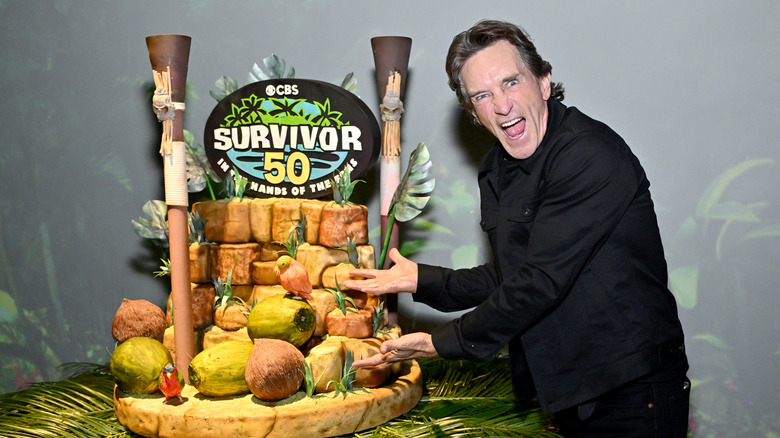
From a social standpoint, every season of competition reality shows like "Survivor" and "Big Brother" starts the same: Players arrive with their game faces on, only to descend into a puddle of hugs and giggles as soon as they lock eyes with another competitor. While some of the most dramatic eliminations in "Survivor" history have taken place long before the tribal merge, they occurred after a palpable shift from potential allies to fierce competitors.
There's an easy argument that players on these types of game shows act uber-friendly at first to test the social waters, but there's a pretty big unspoken rule behind the scenes that propels this behavior. While contestants always meet before a new round kicks off and interact throughout the season, they're forbidden to actually speak to one another unless producers give them the explicit OK to do so.
Dr. Isabelle Morley, who wrote a critical article about "Love is Blind" in 2022, revealed that Netflix allegedly employed these efforts during an interview with her father, Robert G. Eccles. "When they weren't being filmed during the dating phase ... the contestants told me they stayed in their private hotel rooms where they couldn't see or speak to anyone," she said. "Contestants are getting locked into situations where they have no support ... and then they can't talk openly about it."