

'80s Sitcoms That Were Axed From The Air Too Soon (& What The Stars Are Doing Now)
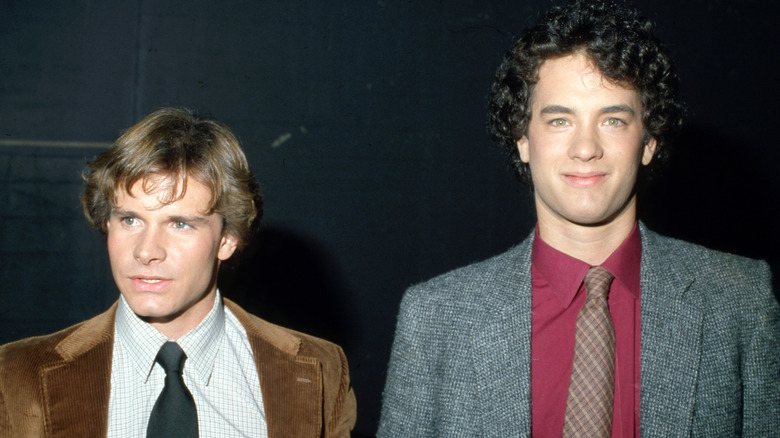
The 1980s have a special place reserved in the graveyard of television history where shows that ended sooner than they should have go to rest. Pivotal as the decade was for small screen programming, with major sitcoms reigning networks and experimental styles of storytelling laying the groundwork for television milestones to come, it was also a time when many valuable shows didn't receive the recognition they deserved. While many such series earned that overdue respect back decades later, when thinkpieces retrospectively honored them as stories ahead of their time, some just flew under the radar without much fanfare.
Of course, when the audience is king and ratings guide the lifespan of a broadcast, niche critical appreciation doesn't stand a chance — which was the case for a lot of shows that died early deaths. Then there was also the issue of competitive time slots in a crowded TV landscape that had no dearth of new shows and budding actors ready on standby to replace any existing programming. Sure enough, these bygone shows were the very springboards off which many great Hollywood careers were launched. Here are some '80s sitcoms that were axed from the air too soon and what their stars are doing now.
Bosom Buddies kickstarted major Hollywood careers but was canceled after two seasons
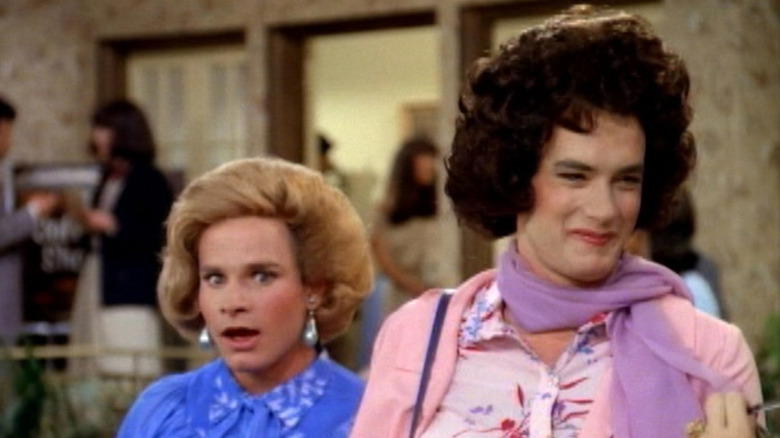
Before Tom Hanks and Peter Scolari became the stars they did, they were just a pair of budding actors in a sitcom called "Bosom Buddies." The ABC show premiered in 1980, starring the relatively unknown Hanks and Scolari as friends who pretend to be women in a bid to stay at a cheap female-only hotel after their home is destroyed. Hanks and Scolari's easy chemistry and improvisations were at the heart of the show. "We could communicate telepathically almost," Hanks gushed on "The Jess Cagle Show," recalling his time on set before Scolari's heartbreaking death in 2021 from leukemia. "We started finishing each other's sentences. We knew exactly, or sometimes exactly, what to do."
While the drag theme of the show may not strike a comedic chord with current audiences, it amassed its fair share of viewership back in the '80s — but only for so long. By 1982, the show was struggling to survive against low ratings, internal industry disruptions, and rising competition from other more popular broadcasts. Although it was canceled after two seasons, "Bosom Buddies" gave way to two magnificent screen careers. Scolari kept television audiences charmed with shows like "Honey, I Shrunk the Kids" and "Newhart," while Hanks' stunning transformation into a cinema legend continues to be one of Hollywood's best success stories.
Despite its brief run, Police Squad! inspired an iconic franchise
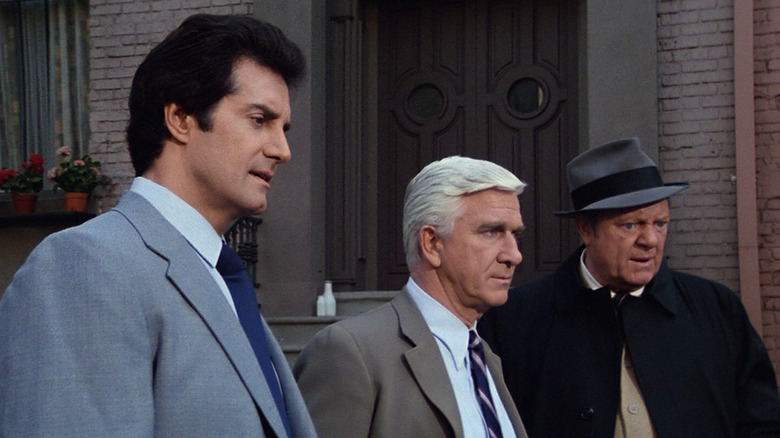
One doesn't even have to be a diehard fan of "Police Squad!" to agree that the show — which was axed after just six short episodes — endures as an example of one of the most wrongful series cancelations in television history. The trajectory it enjoyed after its early demise, living on spiritually through "The Naked Gun" franchise it inspired, indicated the massive potential the spoof show carried when it first premiered in 1982. "Police Squad!" satirically drew on the police procedural format of shows from the '60s, with Leslie Nielsen and Alan North leading as officers whose deadpan deliveries, goofy wordplays, and rapid-fire humor anchored the series. Coming from the brand of comedy popularized by filmmaker trio Zucker, Abrahams, and Zucker — who also made the genre-defining film "Airplane!" — "Police Squad!" only reconfigured a tried and tested format that should have worked but unfortunately didn't.
"The viewer had to watch it in order to appreciate it," ABC executive Tony Thomopoulos reasoned when the show was axed (via Vulture). And while that statement only spoke to the strengths of the quick-witted show, it also justified why it couldn't make for casual viewing. "Police Squad!" eventually got its dues and became a cult classic, especially after the 1988 release of "The Naked Gun," in which Nielsen reprised his role. Peter Lupus, who played a detective and is the only notable surviving member of the cast, seems to have retired from acting.
Sledge Hammer! couldn't last beyond two seasons but eventually attained cult status
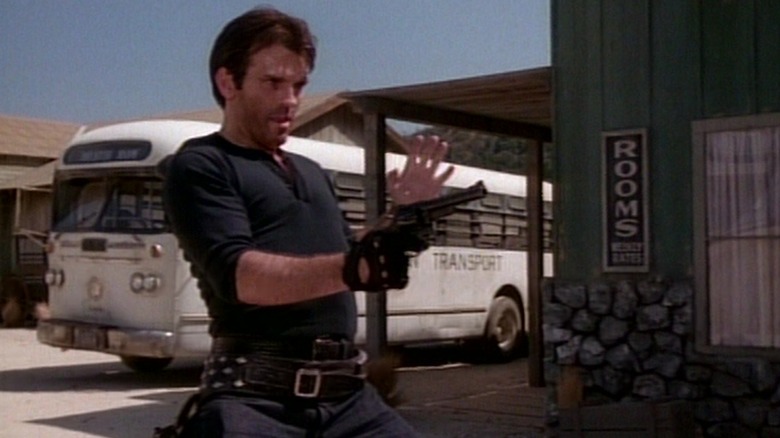
"Sledge Hammer!" was another show from the '80s that traced a turbulent journey before meeting an untimely end after a two-season run. That was also one season too many for the police-satire sitcom, which was initially expected to last just one season. In fact, creator Alan Spencer also wanted as much, partly owing to some internal executive conflicts. "I wanted a cliffhanger that was just impossible to get out of," he told Cracked. He eventually had to explain the cliffhanger away when "Sledge Hammer!" was renewed for a second season, following the widespread popularity of its namesake lead Inspector Sledge Hammer (played by David Rasche) and overall positive ratings for the ABC show. Although it was meant to be a parody of the "Dirty Harry" brand of cop films, "Sledge Hammer!" held its own as a comedy-crime show that did more than just spoof.
"I wanted to give the show legitimate crime plots because, generally, comedy works better when the stakes are real, as opposed to wacky heroes facing off against wacky villains," Spencer said. Beloved as the show was, it couldn't sustain amid budget cuts and rising competition. It was pulled off air in 1988. However, backed by a loyal fanbase, the sitcom's legacy still lives on, as does Rasche's highly active showbiz career. As for others from the main cast, Harrison Page acts occasionally, while Anne-Marie Martin left acting to become a competitive equestrian.
It's Your Move was shut down following parental concerns
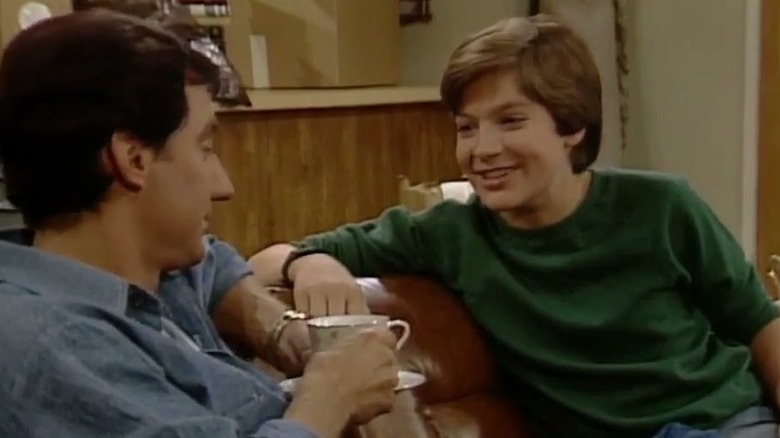
Jason Bateman had already been charming television audiences for years in "Little House on the Prairie" and "Silver Spoons" when he landed a role in "It's Your Move." Bateman was 15 years old when the NBC sitcom premiered in 1984, playing mischief-making high schooler Matthew Burton, who uses his sharp wit to outsmart people — primarily, his neighbor Norman Lamb, played by David Garrison. The show had a lot going for it. Bateman's character borrowed traits from his previously beloved role in "Silver Spoons" and tapped into an already existing fanbase. It featured memorable plots, like the one revolving around the fake Dregs of Humanity band, that carry recall value even today. Not to mention, it was backed by ace producers who would go on to also create the hit sitcom "Married... with Children" with Garrison.
The problem, as it turned out, was that Bateman's pranks — which ranged from stealing to forging keys — inspired young viewers a bit too much. "NBC was getting notes from parents across the country that their kids were starting to do the same things that they were writing my character to do," Bateman told Vanity Fair. The show was axed after just one season. Fortunately, Bateman recovered from the setback quickly, finding even greater teen stardom with "The Hogan Family" and eventually transitioning into a successful Hollywood actor.
Alf infamously left viewers hanging with an unresolved ending
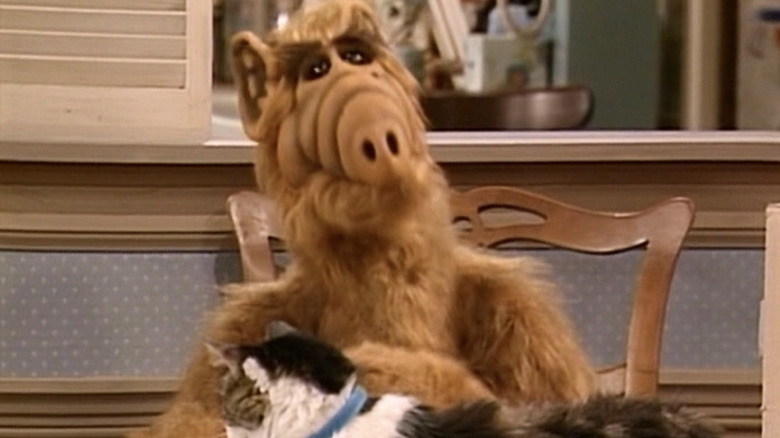
Unlike several of its '80s counterparts on this list, "Alf" was an exceedingly popular show of its time. For its four-season run between 1986 and 1990, it earned high ratings and a cult following that exists even today — over three decades after the NBC sitcom ended abruptly on a cliffhanger. Co-created by Paul Fusco — who led the fantasy show as the voice of the titular alien life form (Alf for short) that accidentally lands on earth and is taken in by the Tanner family — "Alf" was a major cultural juggernaut. It spawned everything from spinoffs and its own merchandise to talk show appearances, where interviewers bantered with their quick-witted anthropomorphic guest.
However, ratings for "Alf" couldn't hold up by the fourth season and, amid fresh network decisions and alleged behind-the-scenes pressures, the axe came down on the beloved family show so fast that viewers didn't even get a proper conclusion. Notwithstanding its unfulfilling end, "Alf" continues to enjoy a celebrated legacy, thanks in no small part to Fusco, who still makes the odd media appearance as television's favorite alien. Andrea Nelson, one of the last surviving members from the cast of "Alf," retired from acting and avoids the spotlight.
Goodtime Girls weathered an unsteady schedule before being pulled completely
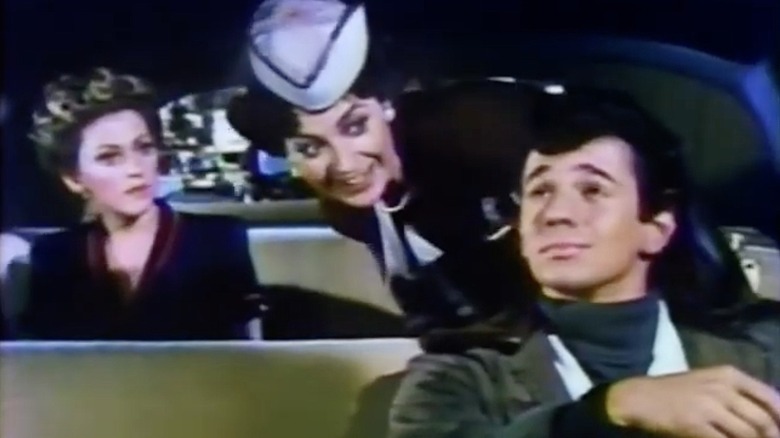
When one thinks of women-centric shows from the '80s, the mind understandably wanders toward "Cagney & Lacey" or "The Golden Girls." But before these iconic titles came to rule television, one short-lived ABC series could rightfully claim precedence as one of the decade's first forays into the format. "Goodtime Girls," which premiered in January 1980 but was set in the '40s, featured a group of four women — played by the stunning Annie Potts, Lorna Patterson, Georgia Engel, and Francine Tacker — who find themselves bunking together against the backdrop of World War II.
That its producers were also responsible for massive hits like "Happy Days" and "Laverne & Shirley" meant that "Goodtime Girls" entered the market with a built-in edge. Unfortunately, the show couldn't find its footing and, in the face of competitive scheduling, went off air within a month. It returned some weeks later for a few more episodes, but by August, the plug was pulled completely. For a majority of the main cast — barring the late Engel, who was already a major TV star by 1980 — "Goodtime Girls" was only an early career blip and their later works superseded the success of the failed show. Potts, of course, went on to earn significant Hollywood acclaim in the "Ghostbusters" and "Toy Story" franchises, while Patterson and Tacker live as retired actors.
Jennifer Slept Here earned more acclaim in retrospect than it did in the '80s
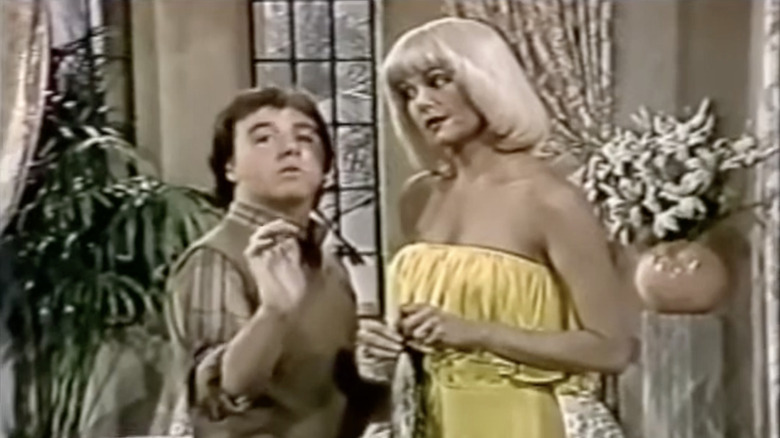
The friendly-ghost-in-the-house trope was hardly a fresh concept in popular media when "Jennifer Slept Here" premiered in 1983. But with the alluring Ann Jillian in the lead as Jennifer Farrell, an actress who dies an untimely death and whose house gets occupied by the Elliot family, it's hard to deny that the NBC show had a certain edge above its predecessors in the genre. The show largely followed the exploits of Jennifer and Joey Elliot, the family's teenage son played by John P. Navin Jr. who alone could see and talk to the resident ghost. The premise naturally called for special visual effects and physical comedy, which the show more or less delivered on. And while it garnered some kinder reviews in nostalgic retrospect, it definitely wasn't the funniest show out there in the '80s.
Before the curtain dropped on it, though, "Jennifer Slept Here" did manage to rake in a few award nominations — including an Emmy for technical direction — with its 13-episode run. Jillian continued to reign the small screen through the '80s with a string of TV movies that marked a career high for her, before bowing out of the spotlight to focus on motherhood. Navin Jr. eventually retired from acting too.
Comedy legend Steve Martin couldn't save Domestic Life
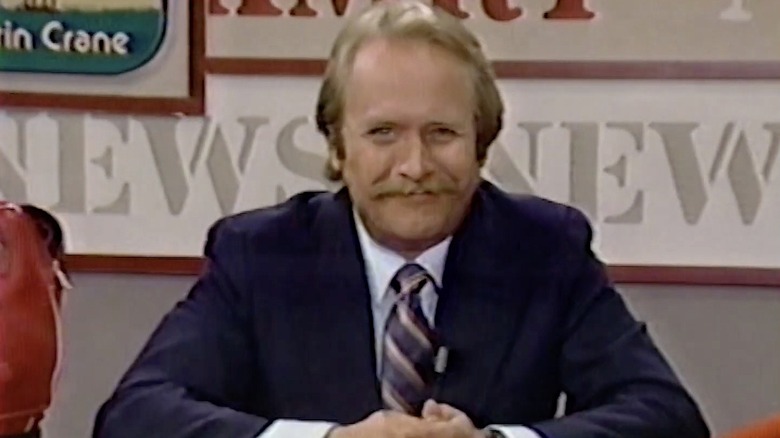
"Domestic Life" was a lot of things, but above all, it was a story of many Martins. Back in 1984, comedy legend Steve Martin co-created a show with his friend Martin Mull, in what marked one of his early attempts at television production. The CBS sitcom that thus came into being was called "Domestic Life" and followed the eventful life of a local TV personality called — no points for guessing — Martin Crane, played by the late Mull himself. Judith-Marie Bergan, Christian Brackett-Zika, and Megan Follows were also part of the main cast.
Given its premise, "Domestic Life" unsurprisingly leaned into typical sitcom character tropes and not-unseen-before plots, though its comedy is often still singled out for applause by fans who can't help but notice Martin's signature meta, satirical humor shine through in the series. Notwithstanding its better points, "Domestic Life" flew under the radar as a largely unimpressive show for '80s audiences and was axed after just 10 episodes. Follows, the only surviving member from the main cast, found far better recognition soon after as the lead in the miniseries franchise "Anne of Green Gables." She thereafter embarked on a long and successful showbiz career and continues to act.
The Duck Factory was Jim Carrey's earliest claim to fame
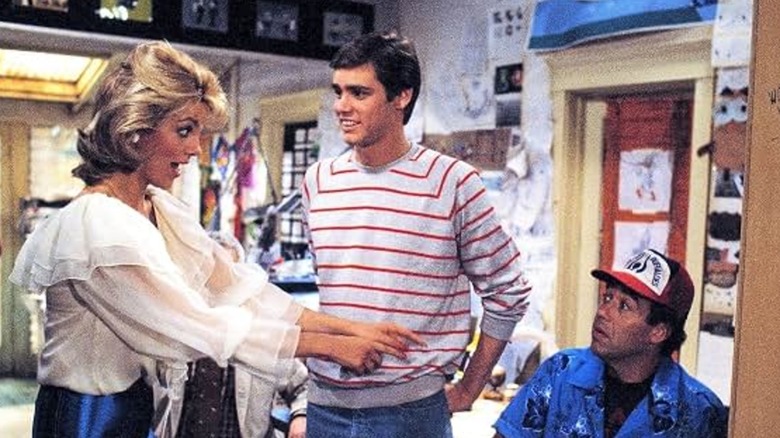
Jim Carrey is worth many millions today, but there was a time when Hollywood's star comedian was struggling to find his footing in the entertainment industry with a modest sitcom called "The Duck Factory." Launched in 1984, the NBC show followed the exploits of a studio that produces the fictional "The Dippy Duck Show" and the adventures that ensue when newbie Skip Tarkenton — played by Carrey — joins the team. Much like for his character, "The Duck Factory" marked a new beginning for Carrey in Hollywood. The actor himself expressed amazement at the similarities between him and Skip, "right down to the fact that one of his favorite foods is grilled cheese sandwiches" (via YouTube). Beyond Carrey, "The Duck Factory" drew on some other great talent too, starring industry greats like Don Messick and Jay Tarses.
But, as a popular line of fan theory posits, these performers weren't used to their best strengths and the sitcom ended up as a mixed bag of lost potential. It was plagued by other issues too, including a wrong broadcasting order that notoriously messed up the continuity between episodes. After just 13 episodes, NBC pulled the plug. Out of the surviving main cast, Julie Payne and Teresa Ganzel went on to have flourishing careers in television, while Carrey made his way up the Hollywood ladder.
Living Dolls was just a single season affair
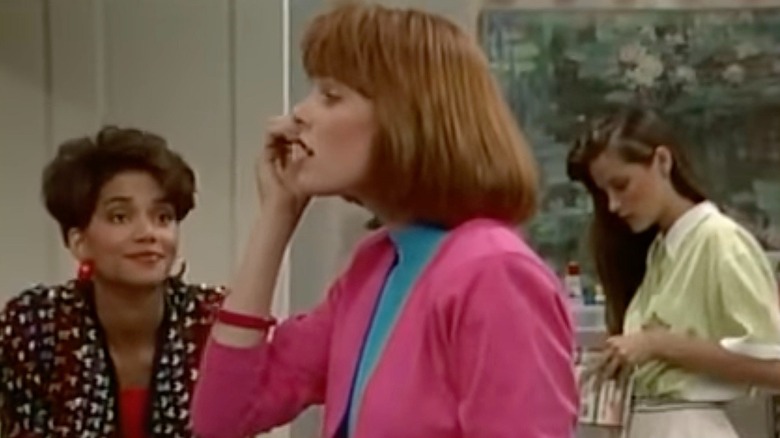
"Living Dolls" may have flopped on the ratings chart, but as far as giving Hollywood a whole new crew of starlets, it was a goldmine. From Halle Berry and Leah Remini — who went on to become major showbiz stars — to other notables like Alison Elliott, the short-lived ABC sitcom served as a launchpad to fame for many names the world loves today. Launched in 1989, it was a spinoff of the hugely successful "Who's The Boss?" and hinged on several of the same characters, such as Remini's Charlie Briscoe and and Elliott's Martha Lambert, who were part of a group of young bombshells trying to make it big in the modeling world. Veteran television actor Michael Learned was also in a key role as Trish Carlin, a mother figure to the girls.
Although it earned some retrospective significance in TV history owing to its star cast, the sitcom was almost universally panned when it premiered. "'Living Dolls' is bad enough when it tries to be funny, even worse when it tries not to be funny," the Los Angeles Times wrote in an especially biting review. Internally too, cast members like Learned weren't totally happy with some of the show's creative decisions. After just 13 episodes, ABC pulled the plug on "Living Dolls." A majority of the main cast continues to act, with Berry leading the pack as its most distinguished alum.
The drama behind the scenes of Square Pegs was more sensational than the show
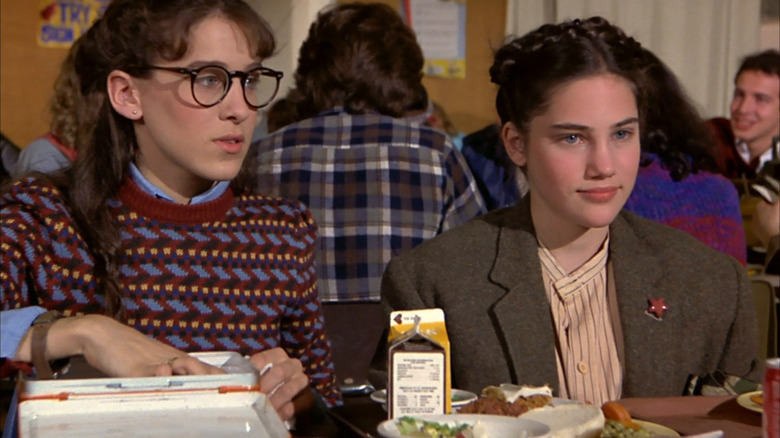
"Square Pegs" was one of those '80s sitcoms with behind-the-scenes drama so notorious that it overshadowed the rest of its legacy as a television game changer. Made by the late Emmy-nominated writer Anne Beatts, the CBS show centered around the seemingly simple premise of two smart but socially awkward teen girls trying to fit in at school. But here's the catch: American television, up until that point, had not encountered such a concept. In 1982, when "Square Pegs" premiered, Hollywood was yet to witness the John Hughes brand of filmmaking rooted in relatable youth-first themes. Some fans even say that "Square Pegs," led by Sarah Jessica Parker and Amy Linker, served as an initial blueprint for the genre. The sitcom featured especially sharp writing from "Saturday Night Live" alum Beatts, who — unlike many of her contemporaries behind other forgotten '80s sitcoms — didn't distance herself from her doomed creation.
When "Square Pegs" ended after 20 episodes, it was ensconced in scandalous reports of on-set drug use. Beatts admitted that there was some truth to the claim but dismissed it as a reason for the show's early demise. "[D]rugs, ego, and chaos did not kill 'Square Pegs.' Low ratings did," she wrote to New York Magazine, recalling the tough competition her sitcom faced from other shows. While Linker seems to have semi-retired from acting, Jessica Parker's transformation into one of Hollywood's biggest success stories is well known.
The network couldn't hold up Emmy-nominated Buffalo Bill
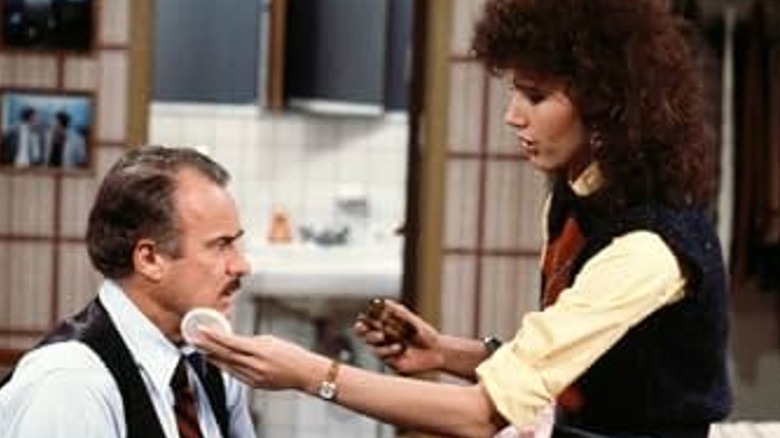
Few broadcasts in the '80s suffered the same sad fate that "Buffalo Bill" did. Despite garnering a plethora of Emmy nominations that validated everything from its direction and writing to its acting, the sitcom — which followed the chaotic inner workings of a television talk show team led by host Bill Bittinger — had a painfully short life that lasted only two seasons between 1983 and 1984. Its early cancelation sparked much regret in retrospect — not just among fans but also the then-NBC head Brandon Tartikoff, who personally favored the show and famously admitted in his memoir that axing "Buffalo Bill" from his network had been a big mistake. At the time though, the circumstances probably justified that decision.
Bill, played by the late Dabney Coleman, was not a very likeable protagonist. He was shamelessly conniving and led by questionable morals that didn't land well with a section of its viewing audience, the size of which was comparatively small anyway. Even the accomplished star cast — featuring big names like Joanna Cassidy and the then-new Hollywood darling Geena Davis, both of whom continue to enjoy award-winning acting careers — couldn't save the ratings. Despite its brief run, "Buffalo Bill" is hailed as a cult classic and an early precursor to iconically abrasive TV characters like Larry David and David Brent.