

Decade-Defining '80s Pop Culture Moments We Just Can't Forget
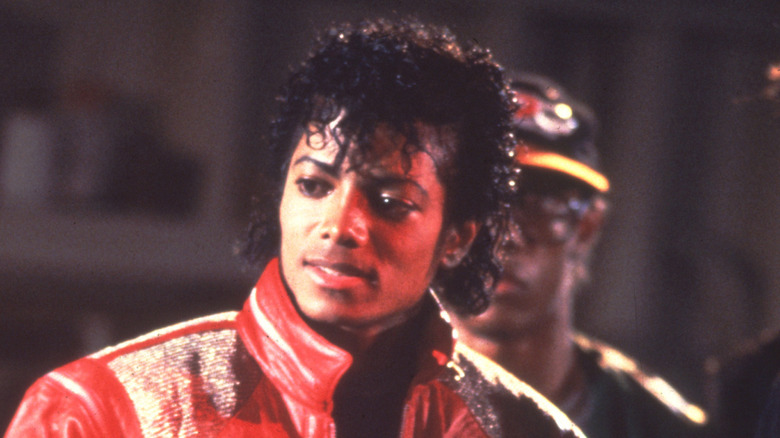
There was nothing demure or bashful about the 1980s. The decade of decadence was filled with teased-up hair, blockbuster movies, hair metal bands, and reckless ambition. The most iconic red carpet looks of the 1980s featured David Byrne-style shoulder pads and loud neon colors. Brewing underneath the glam and glitter, however, was the threat of nuclear destruction and a mysterious fatal virus that the government failed to address for years.
There was no shortage of decade-defining moments in the 1980s and no scarcity of characters begging for the spotlight. Music suddenly had an image, and news could be accessed at any time of the day. As the American government shifted to the conservative right under Ronald Reagan, materialism went from being a dirty word to the new way of life. The thing about the 1980s was that wealth and excess sat proudly on display; the bigger the better.
The consumer ideological shift was not just felt stateside but also around the world. We now lived in a global society, where kids in Japan and teens in France were hitting the dance floor to show off their own rendition of the moonwalk. Which decade-defining moments best encapsulate the 1980s, and which will still matter 200 years from now?
The United States hockey team shocks the world at the 1980 Olympics
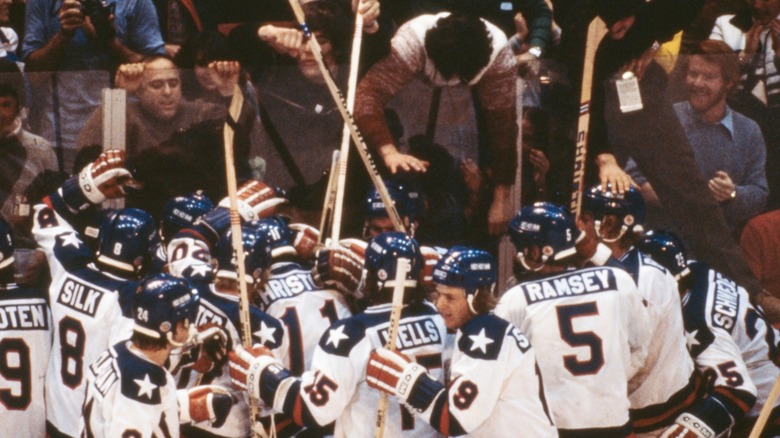
It was the classic tale of David vs. Goliath. A scrappy group of non-professional American men's hockey players squared off against the superior defending gold-medal champions, the Soviet Union, in the semi-final match at the 1980 Winter Olympics in Lake Placid.
No one gave the U.S. team a snowball's chance in hell. New York Times columnist Dave Anderson wrote before the game, "Unless the ice melts, or unless the United States team or another team performs a miracle, as did the American squad in the 1960 Winter Olympics, the Russians are expected to easily win the Olympic gold medal for the sixth time in the last seven tournaments" (via HISTORY.com). The Soviet Union had beaten the U.S. team 12 times in the last 20 years and never lost. It was a total shock that the group of college players even made it to the semi-final match.
But on February 22, 1980, the U.S. team defied the odds and pulled the upset victory over the Soviet Union, 4-3. Making the game even sweeter is that the U.S. and the Soviet Union were at the height of the Cold War, which made fans even more fervent than usual. The Lake Placid arena was sold out, and tens of millions of people around the world watched the game on delay. Broadcaster Al Michaels, who announced the game, said after the U.S. victory, "Do you believe in miracles? Yes!" His historic call gave the game the moniker, the "Miracle on Ice."
Who shot J.R.?
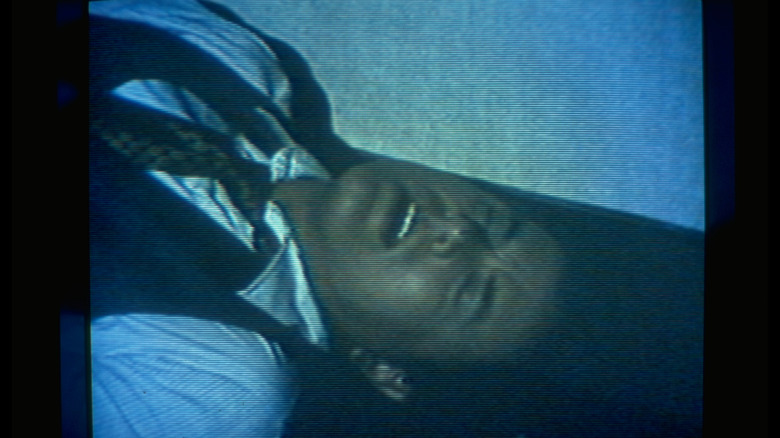
In the 1980s, nighttime soap operas became must-see entertainment. J.R. Ewing from "Dallas" was the delicious Machiavellian villain that everyone loved to hate. During the 1980 Season 3 finale, Ewing is shockingly shot by an unknown assailant, setting up one of the most famous cliffhangers in the history of television. Anxious viewers and the media speculated all summer, "Who shot J.R.?"
Writers kept the identity of the shooter so secure that not even the cast members knew. Patrick Duffy, who played J.R.'s brother Bobby Ewing, said, "Well, we had an idea who didn't do it, because we knew that the major, original cast members of "Dallas" would not have been put in that position — there was too much at stake. You don't want to turn off your audience, and the original members of "Dallas" all had huge fan bases" (via Remind Magazine).
The shooter's identity was not just a clever cliffhanger; it defined 1980s pop culture. "I Shot J.R." shirts flooded the market, and "Who Shot J.R.?" merch fed the whodunit mystery. "We knew it would be big, because Haggie was the biggest television star in the world at that time, and the shooting of him only made him bigger," added Duffy. The 1980 Season 4 premiere, which was delayed until November due to the writers' strike, revealed the shooter to be J.R.'s sister-in-law and mistress, Kristin Shepard (Mary Crosby). An astronomical 350 million people worldwide tuned in to find out.
In 1980, Ted Turner launched CNN and the concept of round-the-clock news
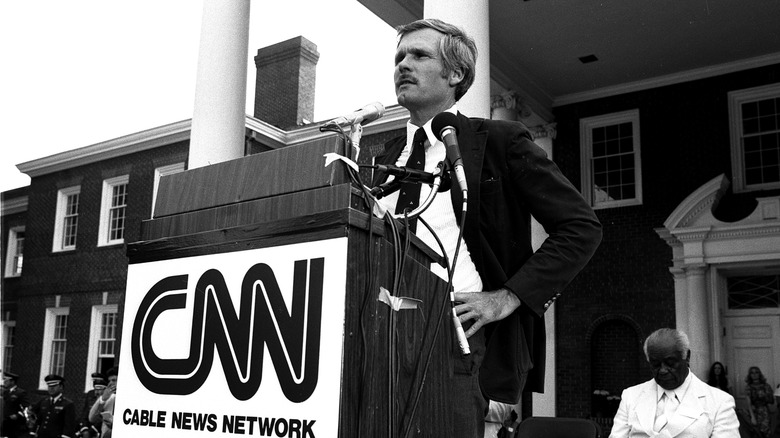
Imagine a time when people would have to wait to hear the news. The World Wide Web hadn't been invented yet, and network news was broadcast in the early evening, then again at 10 or 11 p.m. Ted Turner, aka "the Mouth of the South," changed that concept for good when he launched CNN (Cable News Network) on June 1, 1980. The cable network out of Atlanta, Georgia, would be the first 24-hour TV news network. CNN's first story covered the assassination attempt on civil rights attorney Vernon Jordan.
Getting CNN off the ground was not an easy endeavor. Turner purchased a TV station called WCNC out of Charlotte, NC, in an effort to save the floundering station. "He took the station that was struggling, barely staying on the air, and actually went on television on the station and said, 'People watching, I need your help,'" said weather forecaster Larry Sprinkle (via WCNC).
Turner had the wild idea to ask viewers for investments to save the station with the promise that they would be paid back with interest in one year. The community coughed up the dough, the station became profitable, and Turner sold it for $20 million. That chunk of cash was later used to get CNN off the ground. The mogul became a billionaire, but even with that kind of wealth, there are still tragic details about CNN founder Ted Turner.
Mark David Chapman murders John Lennon in 1980
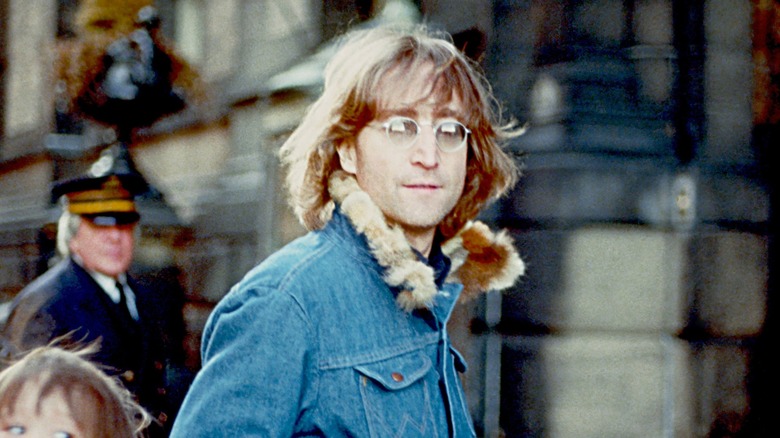
On the evening of December 8, 1980, Mark David Chapman lingered outside of the Dakota in New York City, awaiting John Lennon's return. At 10:50 p.m, Chapman shot Lennon four times with a .38-caliber revolver. Doctors could not save the rock star, and he died aged 40. The assassin did not flee the scene and confessed to the crime. He admitted to a parole board in 2022, "I knew what I was doing, and I knew it was evil," he said (via People). "... I wanted the fame so much that I was willing to give everything and take a human life."
In a 1966 interview, at the height of his Beatles fame, Lennon said of the band, "We're more popular than Jesus now." That may have been controversial, but that doesn't mean that it was wrong. There has never been a band more beloved, influential, and celebrated than the Beatles.
The news of John Lennon's final hours spread around world. Sting had just finished performing with the Police when he heard about the tragedy. "I had the reaction that everybody had — disbelief, shock, horror," he said. "What happens when people like him die is that the landscape changes. You know, a mountain disappears, a river is gone. And I think his death was probably as significant as that (via Ultimate Classic Rock).
MTV makes music visual
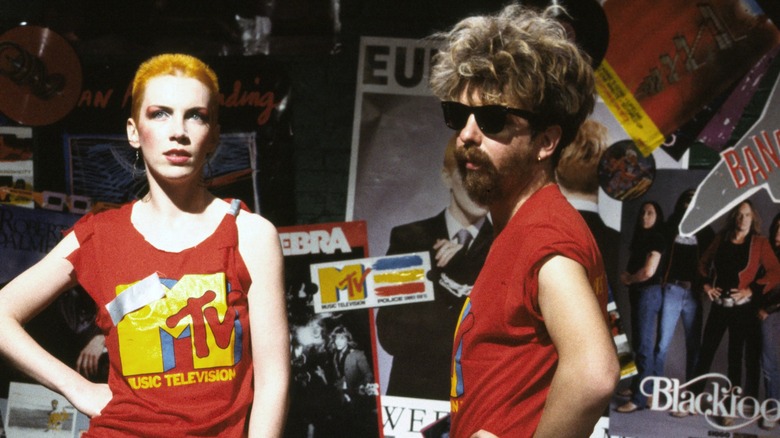
In music, image became just as important as sound with the launch of MTV on August 1, 1981. MTV: Music Television aired its first video, "Video Killed the Radio Star" by the Buggles, forever changing the landscape of the music world. Today, videos are rarely shown on MTV, instead opting to play reality shows "Ridiculousness" and "Jersey Shore Family Vacation" or reruns of old TV shows. However, in the 1980s, it was an exclusive 24-hour channel devoted to music videos. The videos were introduced by hip-looking VJs like Mark Goodman and Martha Quinn.
MTV was initially a slow burn because there weren't too many music videos made in the early '80s. However, within a few years, musicians started to realize that it was a platform where artists could get creative and use their videos to tell a story. When Michael Jackson released music videos for "Billie Jean" and "Beat It," the channel took off, and artists like Madonna, Huey Lewis & the News, and Peter Gabriel tapped into the power of music television. It soon became obvious that any band that wanted to succeed had to make a video for their single.
"Some bands that were less talented but had great visual appeal became more popular," said assistant professor of music Steven Maxwell (via Far Out Magazine). "On the positive side, many bands that were not known in the United States such as Duran Duran or Flock of Seagulls, had more opportunities."
IBM revolutionizes the personal computer
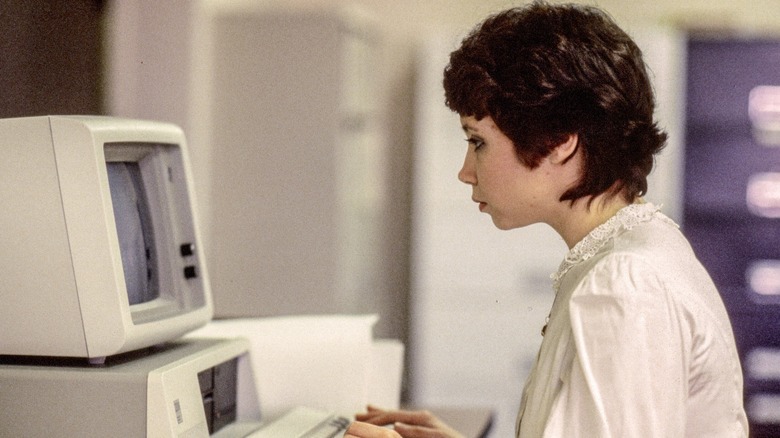
Prior to 1981, IBM mostly sold computers to businesses. However, William Lowe, director of the IBM General Systems Division lab in Florida, saw an opportunity to decrease computer prices in order to make them widely available to the regular consumer. The company came up with the IBM 5150 Personal Computer and sold the model for $1,500. It was built with a hodgepodge of parts, including Intel's 80s chip, Microsoft OS, and an Epson dot-matrix printer. It was not the world's first personal computer, but it was the one that changed the industry.
But how would the everyday consumer react to the innovation? IBM marketed the PC with the theme "Keeping Up With Modern Times," showing Charlie Chapin's tramp character having issues running his small business, but is helped when the PC shows up. The campaign did the trick, and IBM's PCs flew off the shelves. Not even IBM could imagine just how successful the product would become.
In fact, IBM's 5150 PC toppled its competition to become the industry standard. Software companies designed their products around it. "From the day it hit the marketplace, it was perceived by the software companies as a winner,” said Seymour Merrin, owner of Computerworks store. ”Because they perceived it as a winner, they wrote software for it," (via The New York Times). In 1982, Time magazine skipped its traditional "Man of the Year" award and named the IBM PC "Machine of the Year."
Sandra Day O'Connor becomes the first female on the Supreme Court
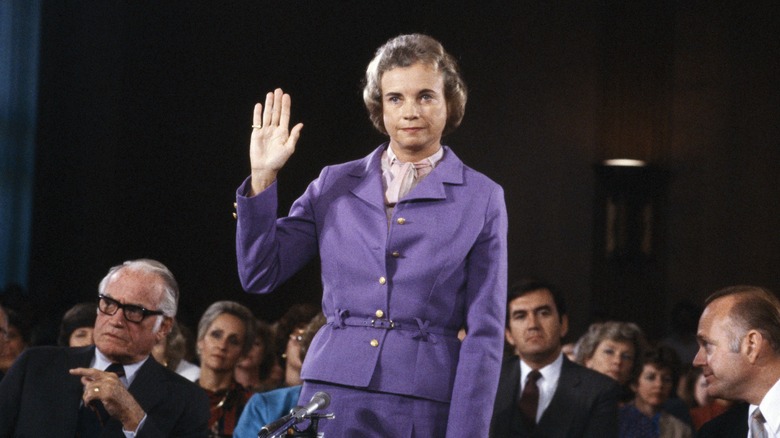
Sandra Day O'Connor broke the glass ceiling many times throughout her life. She was born in 1930s Texas, and despite graduating at the top of her class at Stanford Law, not one law firm would even grant her an interview. She would have to make her own way. The Republican won two terms on the Arizona State Senate and then became an appeals judge. When Ronald Reagan was campaigning to become president in 1980, he said that he wanted to appoint a woman to the Supreme Court. Reagan kept his promise. In 1981, he nominated O'Connor, and the Senate unanimously confirmed, making her the first female Supreme Court justice.
"She is truly a person for all seasons, possessing those unique qualities of temperament, fairness, intellectual capacity, and devotion to the public good which have characterized the 101 brethren who have preceded her," said Reagan (via Ronald Reagan Presidential Library and Museum).
O'Connor may have been a moderate Republican, but she took some left-leaning positions by contemporary standards, such as her support for abortion access. Her centrist views often turned her into a swing vote. O'Connor retired in 2006 after serving for 25 years, paving the way for female justices like Ruth Bader Ginsburg and Sonia Sotomayor to follow.
HIV/Aids becomes a national crisis
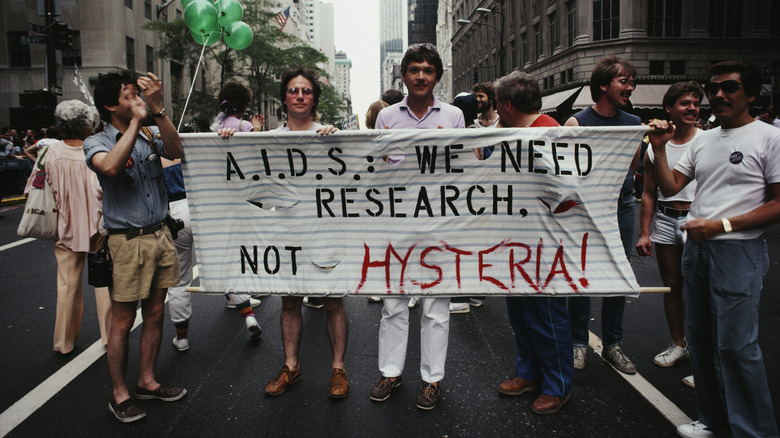
In December 1959, the death of a man from Congo became the first recorded case of HIV. Two decades later, the AIDS/HIV epidemic would spread across the globe. The CDC first coined the term AIDS in 1982. In the beginning, the mysterious, lethal affliction affected mostly gay men. Soon, scientists figured out that HIV could also be spread through blood transfusions, mother-to-child, and sharing needles.
At the time, there was an abundance of misinformation about the virus. People wondered if it could be spread by touching or kissing an infected person. With this lack of knowledge came fear and stigma. AIDS was a certain death sentence at the time because there were no treatments, and many died just months after symptoms appeared.
From 1981 to 1991, the CDC reported 100,777 deaths from AIDS in the United States. It became the leading cause of death in young American adults. Politicians failed to respond to the thousands of AIDS deaths in the early 1980s. President Ronald Reagan waited until 1985 to finally address the disease, and that's only because his old Hollywood friend Rock Hudson became the first celebrity to die of AIDS. By that time, AIDS was already an epidemic beyond control.
"By the time I was 25, I had lost 50 friends to AIDS and I stopped counting at that point," said Mike Phillips, a gay man who lived through the AIDS crisis in the 1980s (via BBC).
Michael Jackson debuts the moonwalk on TV
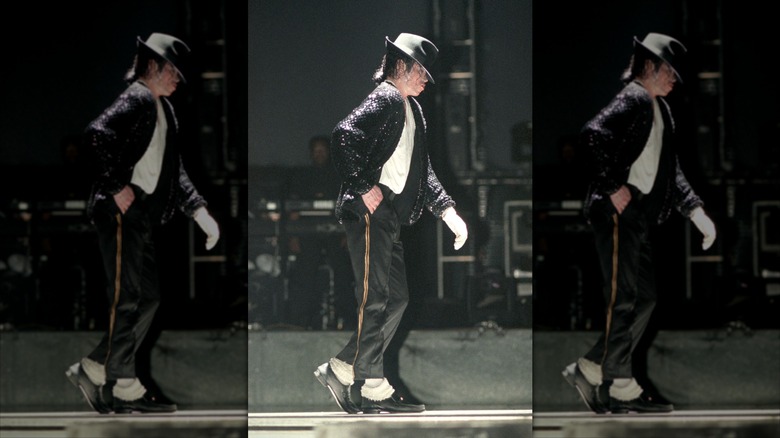
When the taped performance of Michael Jackson first doing the moonwalk hit the air on May 16, 1983, the pop star made pop culture history. His performance took place at the Pasadena Civic Auditorium for the television special "Motown 25: Yesterday, Today, Forever." The King of Pop was singing "Billie Jean" for the first time live when he performed the dance move that would electrify the world. It was also the first time that he wore the iconic lone sparkly glove.
Jackson did not invent the dance move; it was being performed on "Soul Train" in the late 1970s and had been around since the 1930s. However, he certainly took it to new heights. What does the moonwalk look like? When Jackson did it, his feet slid backwards, but it looked like he was gliding on top of the stage and walking forward. The gravity-defying illusion is smooth.
The pop star's 2.5-second moonwalk became a cultural phenomenon and one of the most iconic images of the 1980s. Quickly, on every dance floor in the country, movers and shakers were attempting to do the moonwalk. Jackson's dance moves and the hit tracks from his 1982 album "Thriller" crossed over to all races and ages. A bad dancer performing the moonwalk may not have looked as slick as Jackson, but the move was something that most people could pull off. "Thriller" became the best-selling album of all time and helped Michael Jackson's three kids live really lavish lives.
Newsweek named 1984 as the year of the yuppie
The 1980s were largely known as a decade of decadence. When President Ronald Reagan took office in 1981, the American economy was a mess. Key economic factors like high taxes and high unemployment had threatened the average American's ability to thrive. Reagan implemented an economic policy, known as Reaganomics, that reduced taxes, slashed government regulations, and limited government spending. The business-friendly policy thrived, and America experienced a boom in economic individual wealth. The Republican Party was different back then. Ronald Reagan's son reveals what his dad would think of today's Republican Party, and it's not positive.
In 1984, Newsweek declared it was the year of the yuppie. A yuppie stood for young urban professional. The movement consisted of baby boomers who were in their 20s and 30s, earned at least $40,000 a year, and held white-collar jobs. These people lived in cities and had money to burn. You could tell a yuppie just by looking at them with their preppy high-end fashion, suspenders, large shoulder pads, popped collar, and powerful, polished business look.
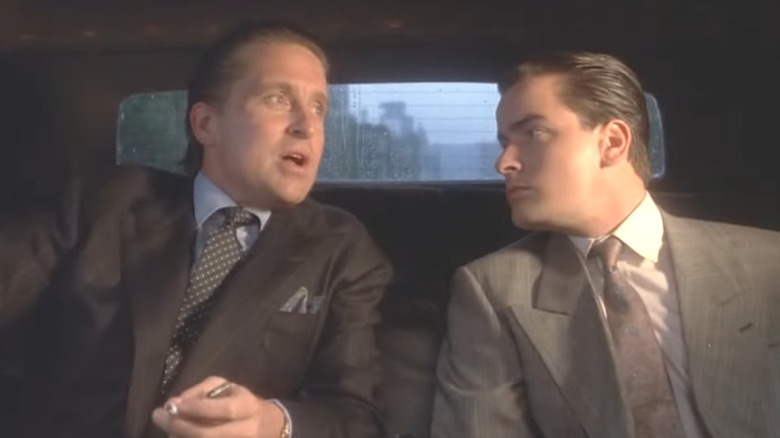
In Oliver Stone's 1987 film "Wall Street," Gordon Gekko famously distilled '80s yuppie culture when he said, "The point is, ladies and gentlemen, that greed, for lack of a better word, is good." Eventually, yuppie became a dirty word, shorthand for vulgarity and arrogance.
The Fall of the Berlin Wall signifies an end to the Cold War
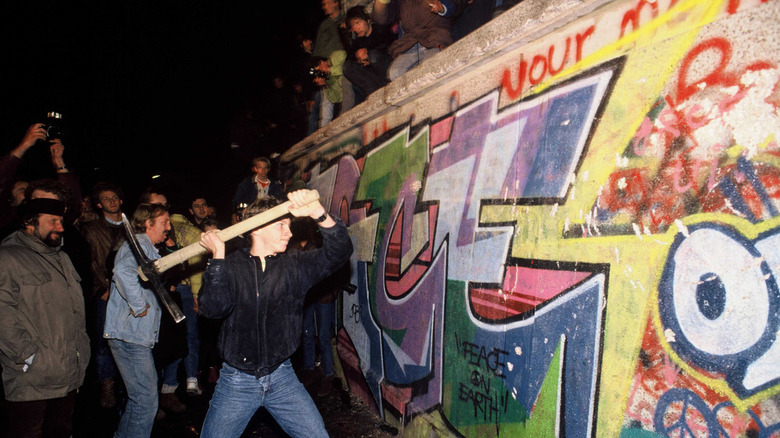
In 1961, East Germans built the Berlin Wall around West Berlin. The purpose of the wall was to deter the Communist-led East Germans from fleeing to the democratic West. The wall was much more than just barbed wire and concrete; it represented the global Cold War, the divide between communist authoritarianism and capitalist democracy.
By the 1980s, the Soviet Union under Mikhail Gorbachev lost a lot of its control over global communist sphere, and the leader even attempted to bring some democracy into his own authoritarian country. On November 9, 1989, the East German Communist Party gave permission to its citizens to freely travel to West Germany. After nearly three decades, Berlin reunited. Citizens from both sides celebrated the unification, knocking out slabs of concrete and rejoicing in their solidarity. The images of German citizens tearing down the wall went the 1989 version of viral. The world saw pictures of strangers hugging, dancing, and celebrating their freedom.
"I think it is a great day for freedom," then British Prime Minister Margaret Thatcher said in a press conference (via rrchnm.org). "I watched the scenes on television last night and again this morning because I felt one ought not only hear about them but see them because you see the joy on people's faces and you see what freedom means to them."