

Forgotten Shows From The '70s That Almost No One Talks About Today
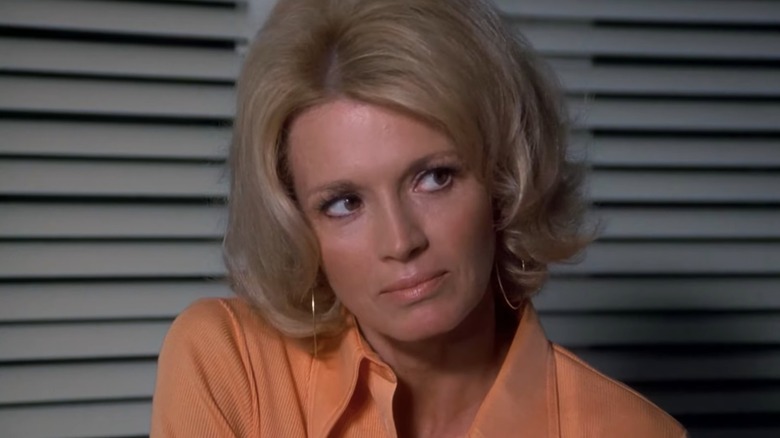
Television, relatively speaking, is a new invention and art form. But it's evolved at a breakneck pace. Just take a look at these 2000s canceled reality TV shows. "Queer Eye" notwithstanding, things are a lot different today. So, comparing TV in the 1970s to TV today is essentially like an Italian chiaroscuro-using Renaissance painter reflecting on primitive cave paintings.
But what did that little box in the corner look like in the era of shag-carpeting and in-flight smoking? Well, the '70s TV landscape was one of few channels, no cable, and Mary Tyler Moore. Although that seems pretty tinpot in contrast to the wealth of streaming subscriptions and seemingly never-ending sports coverage available today, it would later become known as the decade when TV changed forever. Thanks to transgressive adult-focused shows, exciting new children's programming, and football coming to Monday nights, TV was beckoning viewers from the cinema to the couch. However, for all the transformative shows that aired, many were left in the rubble of an ever-changing landscape. For every "All in the Family," there was a "Mrs. Columbo."
Without further ado, adjust your screen settings to "fuzzy," because we're about to take a look at the '70s shows that time sadly forgot and no one talks about these days.
Adam-12 suffered from second-show syndrome
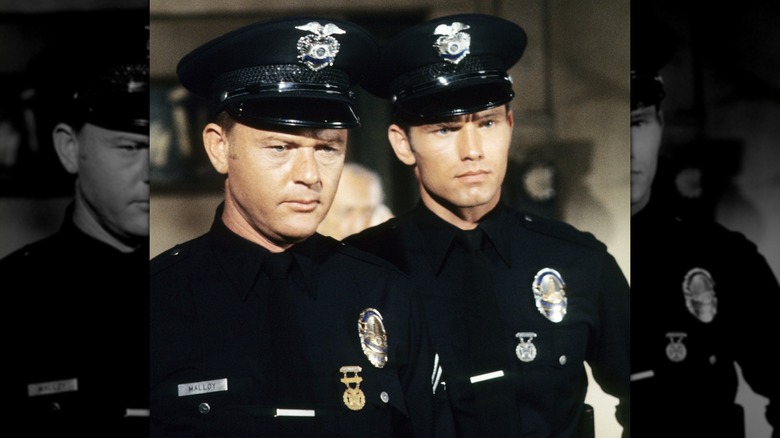
Like "Breaking Bad" creator Vince Gilligan following up his big hit with the resoundingly less successful "Battle Creek," the iconic TV man Jack Webb's "Adam-12" wasn't quite as well remembered as the incredibly influential "Dragnet."
The Martin Milner- and Kent McCord-led show followed two LAPD officers procedurally policing the City of Angels in down-to-earth fashion, focusing on the more mundane aspects of policing like equine theft and resolving fracas at a spiritual meditation center. As opposed to the more adrenalized stories in "Dragnet," which had its policemen tracking down ex-convicts who wanted to blow up gosh-darn City Hall and investigating true crime-style homicides. Indeed, according to Nostalgia Central, it was Webb himself who insisted on keeping things as real as possible. But that realism just wasn't as popular as what "Dragnet" had to offer, and the show got discontinued after 52 episodes. Comparatively, "Dragnet" aired almost twice as many installments.
The show was, however, loved by the police community. "[Two on-duty policemen] said, 'We really like the show,'" recalled McCord speaking to the "Still Here Hollywood" podcast in 2026. Webb achieved what he wanted to some extent, because the show was so real that the art was informing life. "Universal was bicycling 16mm prints all over the country to police departments that were using the show for training," McCord added.
Longstreet was short-lived
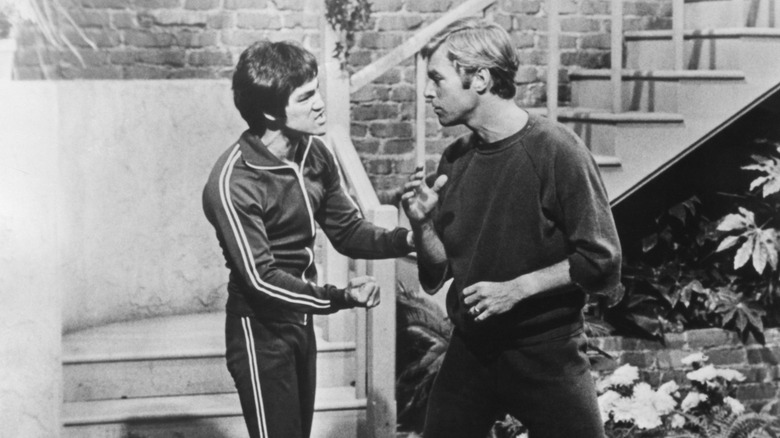
On paper, "Longstreet" had a premise for a hit show: An insurance investigator is blinded in an explosion and, with his trusted white German shepherd Pax, uses his skills to solve crimes around New Orleans. Not only was the premise fit for a classic, but so was the intro, which featured the titular Mike Longstreet running down stairs and playing tennis amid a wealth of split-screen effects. It's the type of show that'd likely be rebooted to run for years today. As one commenter on the Forgotten TV blog wrote, "I remember this one. I was very disappointed when it was cancelled so quickly."
Indeed, the show only lasted for one season. Even though it was created by Oscar-winning producer Stirling Siliphant and rose as high as fifth in the Nielsen ratings, that wasn't enough to keep it going. Heck, the legendary Bruce Lee appeared in four episodes of the show, and it was still largely forgotten. Notably, one user on Reddit even thought the show came out in the '60s.
Sadly, Longstreet himself, James Franciscus, had some rotten luck in terms of his projects, with "Naked City" and "Mr. Novak" also not getting their time in the sun.
Here's Lucy wasn't quite I Love Lucy
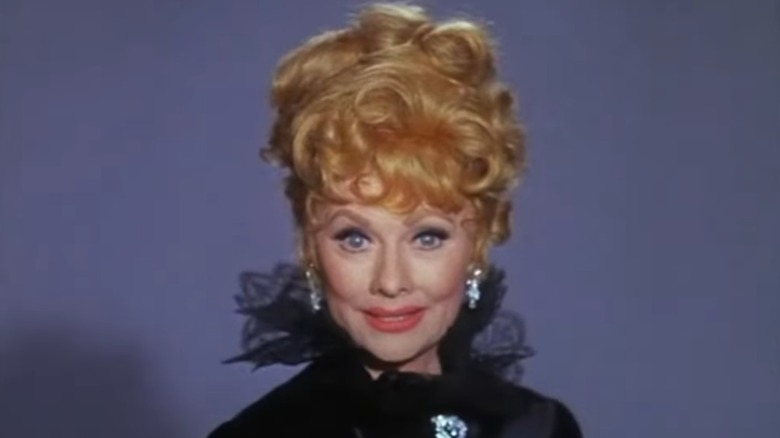
Some stars can never escape the shadow of their most famous show, like Jim Parsons and his "Big Bang Theory" character Sheldon Cooper. Similarly, when Lucille Ball came out with "Here's Lucy," after "I Love Lucy," her new project didn't exactly stick in audiences' memories. Considering "I Love Lucy" was so popular that its off-screen moments were later dramatized in the film "Being the Ricardos," with Nicole Kidman transforming herself into Ball, perhaps it's not surprising.
The "Here's Lucy" co-creators wanted the new sitcom to help Ball shed the skin of her previous shows, acknowledge generational differences, and keep a finger on the pulse of current events while following a predictable sitcom formula. But the show is remembered as anything but a refreshing reinvention. So much so that reruns of "I Love Lucy" used to air directly after "Here's Lucy." Talk about living in something else's shadow! Naturally, then, it's thought of as a less successful continuation of the comic's big hit and remains relatively forgotten. Indeed, some online have questioned whether it even existed or if it was a Mandela effect false memory.
Online vintage TV fans are also unenthusiastic about Ball's penultimate sitcom. "It's pretty bad. A copy of a copy," said one user on a Reddit forum. "Plus, lots of special guest stars. Definitely an anachronism." Another user added, "Was ok I guess. Not great but was on at a good time." Well, at least the scheduling was memorable.
Barnaby Jones stayed in the '70s
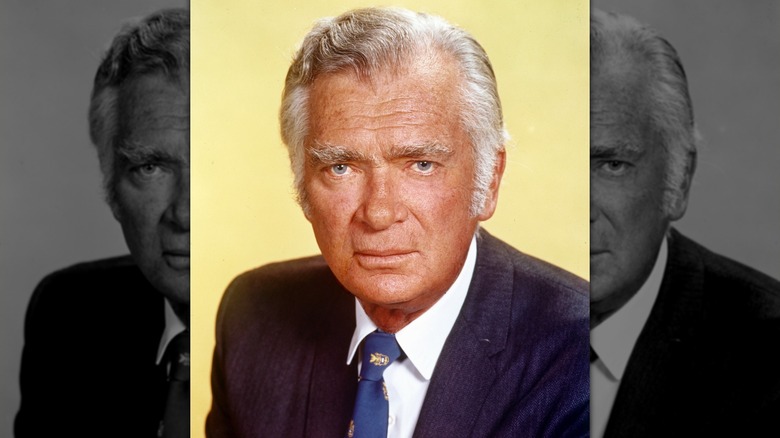
It's a tale as old as time: A retired private investigator is pulled back out of retirement for one last job. However, with "Barnaby Jones," which premiered in 1973 and ran until 1980, it may have been a tale too old.
The '70s were a time of the student-led anti-war Hard Hat Riot, the sexual revolution, and gritty, provocative movies by young filmmakers playing in theaters. But the titular Jones, played by Buddy Ebsen, was the antithesis of all that. He was a folksy older gentleman, a private investigator, and a chemistry ace who solved murders in a relatively chilled-out manner. Probably the coolest thing about him was his wave-like quiff. To get a sense of where "Barnaby Jones" stood in the wider cultural landscape, the show was satirized in Mad magazine under the name Barnacle Groans.
Even Ebsen himself was surprised it lasted for seven years and became a hit at the time. "My position and policy is not to poke around too much into blessings," he said (via MeTV). "If you tell a good story, that's good enough. You don't have to analyze it." But if it's out of date in the '70s, it's sure as heck out of date in the age of crypto heists.
The Six Million Dollar Man was Marvel before Marvel
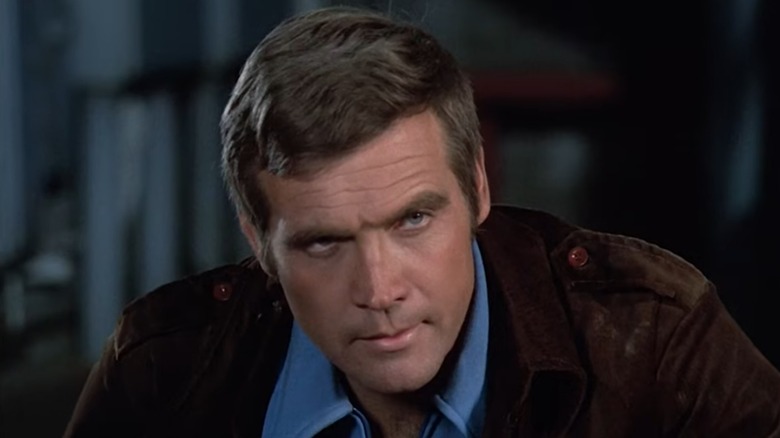
In the early 2020s, the Marvel Cinematic Universe, a billion-dollar cultural powerhouse, dominated both the small and big screens. Heck, it's so popular there are even Marvel-inspired baby names for your future superhero. 2021's "WandaVision", for example, was a show that at times aesthetically aped '70s sitcoms like "The Brady Bunch" and had an average of 600 million minutes watched per week upon its release. It's a shame then that "The Six Million Dollar Man," a show about an injured pilot who is given nuclear-powered appendages and bionic leg enhancements, came out in 1973. It sounds exactly like a modern-day Marvel show. Sadly, though, the Lee Majors-led show was ahead of its time and, therefore, not as enduring as other sci-fi TV classics like "Star Trek."
"I'm 40 and I've never seen it, and never come across it on streaming or channel surfing (back in the day)," wrote one user on Reddit, under a post about the ABC show, which is not in syndication. "I only know it from references, and at this point, the things that referenced it are old." Another added, "We can all remember the iconic opening titles," referencing the sequence showing the aerial accident that led to the aforementioned bionic rebuilding. "[B]ut how many of us recall anything that happened in the actual episodes?" Although the show may not be remembered as well as others that were just as popular in their time, things might have been different if it were on our screens today.
The streets have forgotten The Streets of San Francisco
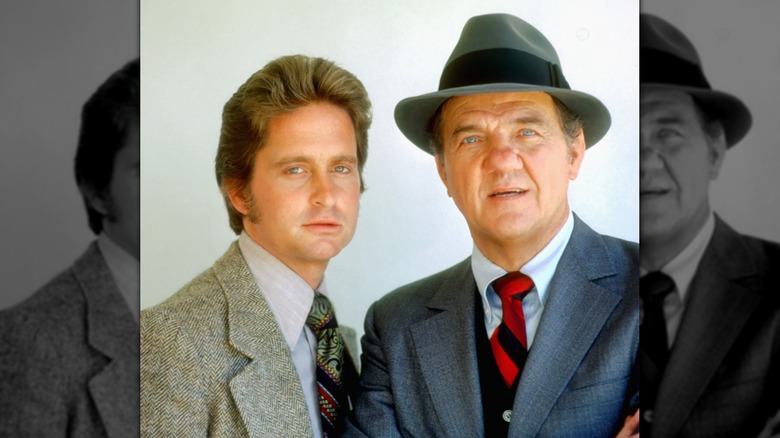
The streets are pretty good at remembering sports-related things, whether they're 2000s-era British-based soccer players or NFL stars. But they have forgotten some '70s TV shows, including the Quinn Martin-produced detective drama "The Streets of San Francisco."
"Is that the show with 'Just the facts, ma'am'?" asked one user on Reddit. Actually, that was "Dragnet." This police procedural, instead, starred Karl Malden and a young Michael Douglas, before he led a wildly lavish and out-of-touch life with Catherine Zeta-Jones, as plainclothes detectives in the shadow of the Golden Gate Bridge. Although some do remember the show, it's surprising that it doesn't have the same cultural cache and standing as "Dragnet." After all, Douglas went on to win an Oscar, and Martin was a top-level producer with, mostly, a televisual Midas touch.
But police procedurals were to the '70s what bedroom pop or podcasts are today, and "The Streets of San Francisco" was just one in a long police lineup of cop shows. It was even just one of many in Martin's own early-to-mid-'70s production roster, which had nine police-or-detective-based shows on air at the time. In that context, it's perhaps no surprise "TSOSF" remains misremembered.
Orson Welles' Great Mysteries remains, mostly, a mystery
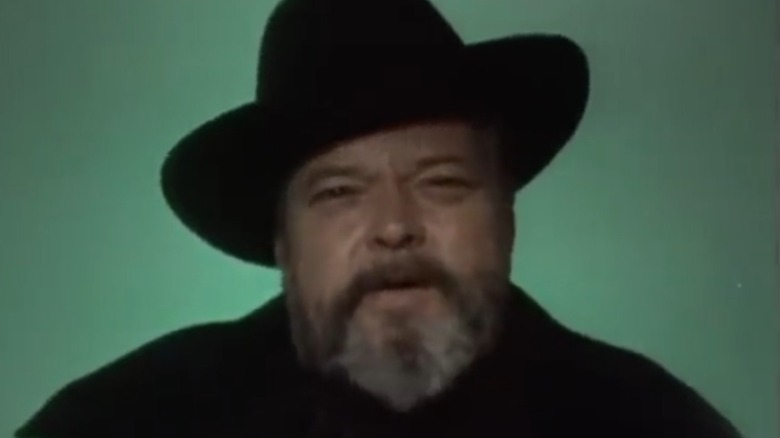
Although he's best known for creating cinema's medium-changing "Citizen Kane," as well as featuring in one of the most romantic movie scenes in history, Orson Welles also dipped his toe into TV across the pond. But his foray onto the small screen isn't remembered nearly as well as his seminal work on the big one.
"Orson Welles' Great Mysteries" was an anthology series, à la "The Twilight Zone," in which the famed director would give an introduction to camera while dressed like WWE's The Undertaker before the thrills commenced. His macabre cautionary tales ranged from murder between lovers to, literally, a monkey's paw that made dreams come true. But despite the name, he was hardly penning these stories himself. Rather, he functioned as brand recognition to get viewers interested. Welles' presence here was merely the hors d'oeuvre (read: introduction), not the main course (read: mystery).
If there are two tidbits about the show that speak to why it isn't as well remembered as films like "The Magnificent Ambersons" or "Touch of Evil," it's that Welles only lent his name to the project to pay off taxes to the IRS, and he even got bored shooting the series while on set.
Bigfoot and Wildboy was wild
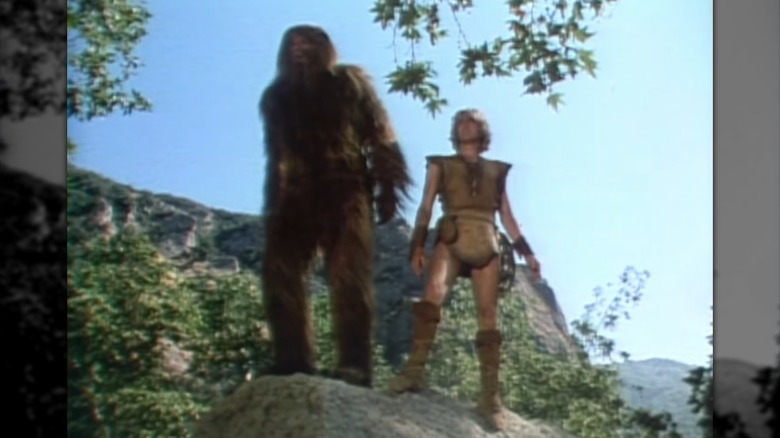
This children's TV show is so forgotten that it's become as elusive as its tall, furry titular character. Indeed, "Bigfoot and Wildboy" has an incredible title, but not a long-lasting legacy to match. It's the sort of show you'd only find on a dust-covered VHS tape at the bottom of a box in a yard sale.
The 30-minute ABC episodes centered on an orphaned Wildboy, played by Joseph Butcher, and his adopted father Bigfoot, played by Ray Young, fighting various evil-doers. But some believe the show — which originally aired in a shortened form on "The Krofft Supershow" — has even become lost media. "The full series has never been officially released," said one user on Reddit. "And five season 2 episodes have never been seen since the original airing." Only the odd episode from the ABC run can be found online, and the footage that is available is so '70s it borders on parody, with a funny Sasquatch costume and rinky-dink action sequences.
So, next time you're at a yard sale or browsing Facebook Marketplace, keep an eye out for a VHS of "Bigfoot and Wildboy." Copies of the stand-alone show are probably as real as sightings of an actual cryptid.
Police Woman didn't stay in viewers' minds, but it should have
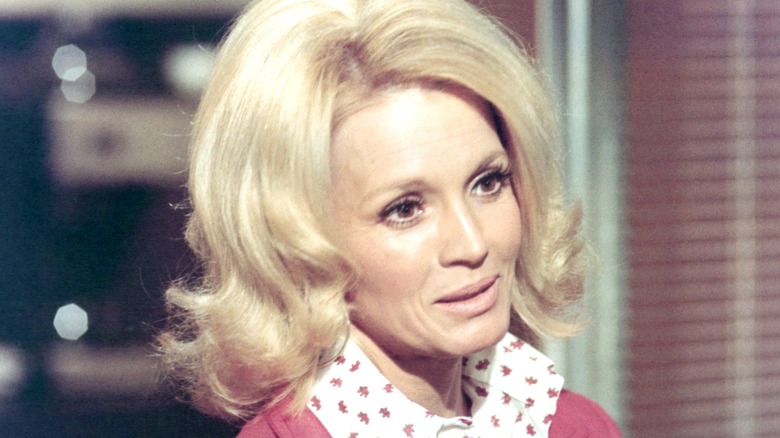
Thankfully, according to data from the "Boxed In" report, these days, just under half of the major characters featured in original U.S. streaming series were female. On that topic, here's what Ashley Williams had to say about the female-led filmmaking initiative, Make Her Mark, in an exclusive interview. But it was the much-forgotten '70s show "Police Woman" that first helped smash that glass ceiling.
The cop caper starred Angie Dickinson in the lead role and was very much of its time in terms of progressiveness. The show emerged in the so-called "jiggle era" of television — think "Baywatch" opening titles — when female leads (for often illogical reasons) ran around in little to no clothing. But Dickinson bucked that trend as feminism came to the fore, playing a strong-willed professional protagonist who closed cases alongside her purely platonic male colleagues. Despite the show having its fair share of jiggle, Anderson was one of the lads. "When we all grew up, I guess [women] were nuns and ... teachers," said Dickinson of the role (via PBS). "I loved being a heroine. And I loved that she was allowed to be sexy and still a hero." It was a small step for female representation, but a giant leap for television. Nonetheless, it's a show that should be talked about in the same breath as "Killing Eve," but instead, it's relegated to "who remembers" Facebook posts.
1978's Rollergirls couldn't find its bearings
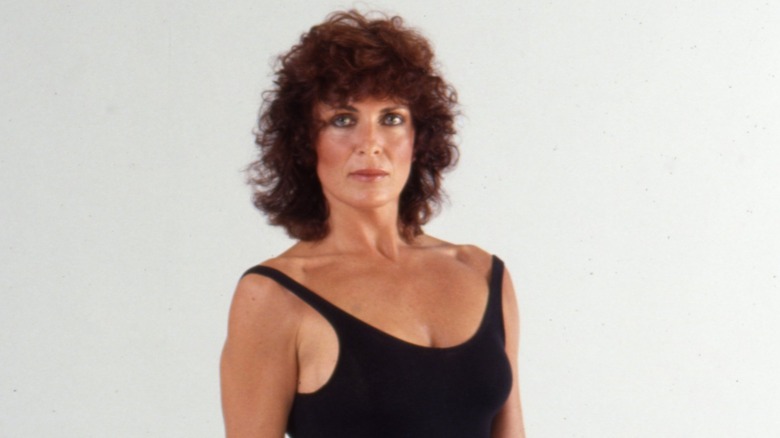
The 1978 show "Rollergirls" attempted to do for the roller-skating community what Lena Dunham's "Girls" did for millennial women or what "Glow" did for female wrestling. Sadly, it lasted just one season and never quite found its feet.
The NBC show revolved around Pittsburgh Pitts, a diverse bunch — especially for television in the '70s, which was still drunk on the charm of white male detectives and nuclear families — that included Marilyn Tokuda's character Shana "Pipeline" Akira, a half-Eskimo half-Japanese skater, and Joanna Cassidy's namesake team captain Selma "Books" Cassidy, who was a feminist intellectual polyglot. The plots focused on the team's day-to-day romantic lives, their cohabitation, and of course, roller-skating. Again, it's very "Girls," very "Glow." However, the world wasn't quite ready for it, yet. The series was derided by audiences, critics, and the Parent Teacher Association, the latter of whom disliked it for not being family-friendly. Subsequently, the show was canceled within a month of its first airing.
Unlike those aforementioned modern female friendship shows, which pull in big audiences on streaming, "Rollergirls" has essentially become lost media, save for two episodes and a handful of clips available online. But if this were a show that aired circa 2020, we could imagine the story ending differently, and many a TikTok edit made about each character.
A Columbo spin-off spun out
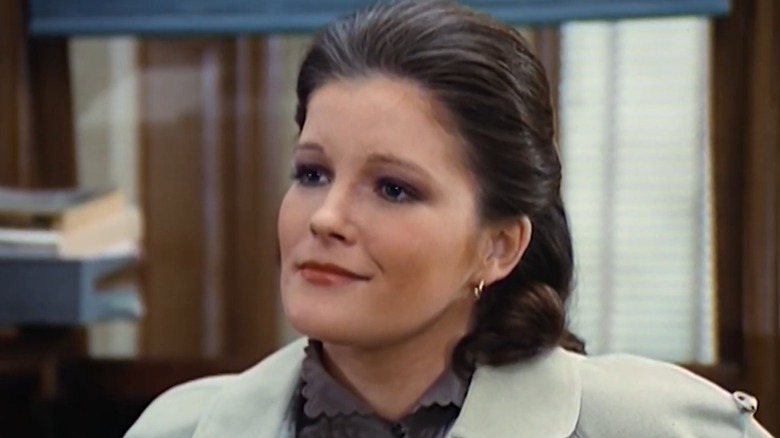
"Mrs. Columbo" is to "Columbo" what "Joey" is to "Friends": It was a spin-off, it was far less successful than its predecessor, and it has largely been forgotten under the weight of the show that it spun off from.
Not dissimilar to Lt. Columbo, the titular "Mrs. Columbo," played by Kate Mulgrew, investigated crimes as a reporter. Yet, unlike her spouse, she balanced her investigative journalism with her home life as a mother raising her young daughter. But regardless of the show's new angle, it was doomed from the start. The "Columbo" creators, Richard Levinson and William Link, protested the spin-off's production, and the ratings it gained upon airing were extremely low. It could've been popular in today's world of multiverses and spin-offs of spin-offs, but they couldn't havecapitalized on that back then. In fact, it was revealed that Mrs. Columbo wasn't married to the canonical Columbo, but a different detective named Philip Columbo.
Fans of "Columbo" were keen to distance Mulgrew's character from the O.G. LA-based homicide detective. "This non-canonical RUBBISH must never be associated with the dear Lieutenant," wrote the Columbophile blog. Heck, even the original show kept her at arm's length. "A woman's been going round pretending to be my wife," said Peter Falk's iconic character when the show aired again on ABC post-spin-off (via Joseph Mallozzi's Weblog). "[B]ut it isn't her."