

11 Times Classic TV Stars Admitted They Weren't Huge Fans Of Their Show
The small screen has been home to some of Hollywood's most iconic characters and celebrated stars, many of these timeless programs remaining beloved TV classics. Despite bringing them fame, fortune, and the adoration of millions, some recognizable actors have admitted that they weren't exactly the biggest fans of their own shows. Whether they waited decades to reveal their true feelings about their hit series or were bolder and did so during its heyday, some TV stars shocked fans with their candid confessions.
Screen siren Tina Louise famously starred as the glamorous Ginger Grant in the '60s sensation "Gilligan's Island," and despite the show's overwhelming success, she made it known to the cast, media, and fellow peers that she wasn't thrilled to appear in a TV show. Likewise, the Shakespearean-trained Robert Reed frequently vocalized his disdain for "The Brady Bunch" while the '70s staple was still on air and made headlines for his harsh commentary about the sitcom. While many of these TV sensations appreciated the shows for propelling their respective careers, that didn't mean they shied away from sharing their unfiltered thoughts.
Susan Olsen didn't think The Brady Bunch was cool
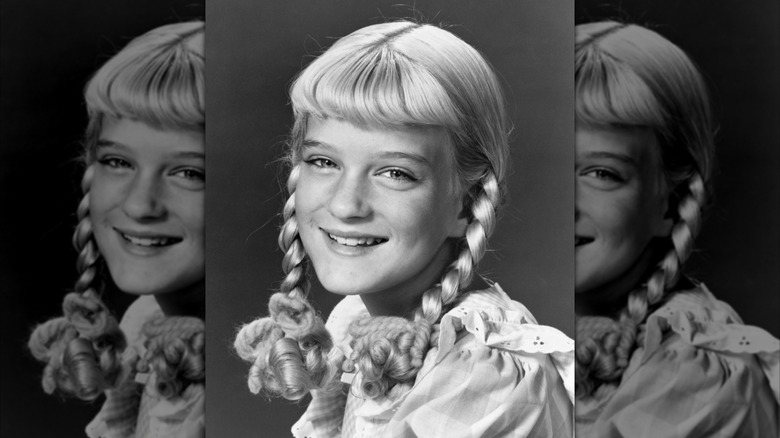
For five seasons, Susan Olsen starred as the pigtail-sporting Cindy Brady in the '70s sitcom "The Brady Bunch," with the series becoming an iconic entry in pop culture. Although it is now regarded as a beloved TV classic, the show's saccharine storylines didn't exactly dazzle critics. In fact, the Los Angeles Times did not hold back with their initial review. "It is so cloyingly, nauseatingly sweet, so insufferably cute, so embarrassingly bad that discussing it becomes an ordeal."
Olsen seemed to mirror these sentiments, as she largely tried to distance herself from the sitcom after its conclusion in 1974. "This show that had been very uncool when it first ended, and I was still trying to be an actress, and I had this show following me around," she shared with People. Olsen pointed out that the sitcom was steadily declining in quality at the end, especially after Cousin Oliver was introduced to the "Brady Bunch" cast. "We had already jumped the shark. We got Robbie Rist. He's our little shark jumper. You know, that's always the sign. The show's already in the toilet when they get the new kid. He just flushes." Decades later, the TV star eventually understood the appeal of the series after meeting Skid Row singer Sebastian Bach. "He said to me, 'Dude, you're a part of people's childhood, and you're a good part. How could that ever possibly be a bad thing?'" she told The Barn in 2024, adding, "How could it ever be bad?"
Tina Louise worried Gilligan's Island would hinder her career
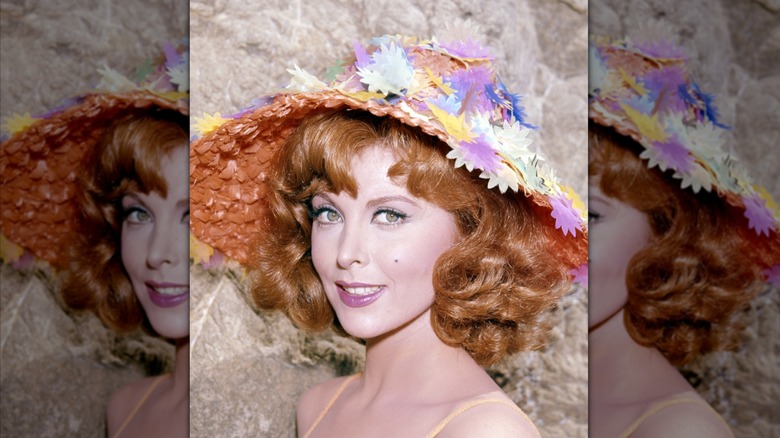
"Gilligan's Island" fans fell head over heels for Tina Louise when she portrayed glamorous movie star Ginger Grant in the timeless sitcom, becoming synonymous with the sultry screen siren. Louise had begun her career as a serious film star and had previously received a Golden Globe for her performance in "God's Little Acre," so she had worried the show would lead to her being typecast. She spoke poorly of "Gilligan's Island" in an infamous 1965 interview with TV Guide, feeling as though TV work as a whole was largely beneath her. "I was ashamed when I saw the first show," she candidly told the publication. "There's no such thing as a real moment, an honest reaction, because the show is like a cartoon. You're not acting, not the way I studied it. I wouldn't watch it if I wasn't on it ... I don't feel fulfilled doing these shows. Most are not quite inventive."
For years, feud rumors have swirled around Louise and her "Gilligan's Island" co-stars, as both Bob Denver and Dawn Wells were well aware she wasn't happy being associated with the sitcom during its heyday. "Tina thought she was a movie star and I don't think she realized what it was that there were seven of us. She was never difficult. She was never part of the company, though," Wells once said, per Remind Magazine.
Andy Kaufman felt creatively stifled on Taxi
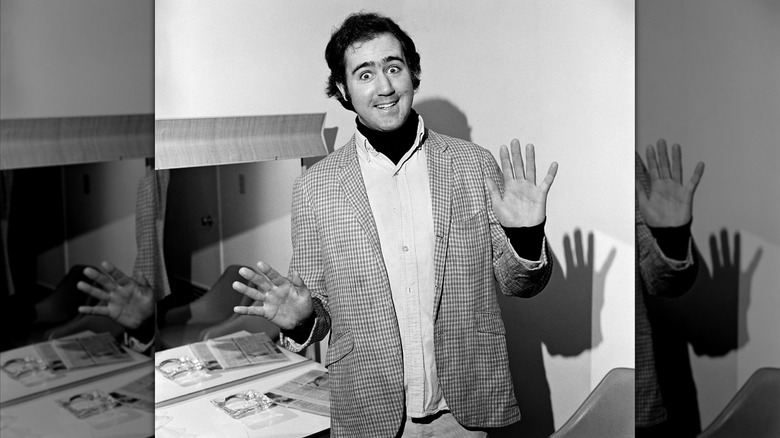
Legendary performance artist Andy Kaufman was known for his unconventional approach to comedy, and from 1978 to 1983, he portrayed goofball mechanic Latka Gravas in the sitcom "Taxi." Although the show became a massive hit with audiences, particularly because of Kaufman's eccentric character, the actor felt restricted by the sitcom and did not enjoy the lack of creative control that came with starring on TV. "This year has been a very commercial year for me. And I've been doing a lot of compromise, and it's been good, very commercial. But artistically, I felt down about it lately," Kaufman expressed in the documentary "Andy Kaufman Is Me" (via People). "This is my act, and I just want to start having some integrity within myself again."
The comedian felt artistically stifled while appearing in "Taxi" despite the role earning him adoration and two Golden Globe nominations. In the same intimate documentary, "Laverne & Shirley" star Cindy Williams, Kaufman's close friend, further detailed the funny man's true feelings about working on a sitcom. "He wasn't overjoyed doing 'Taxi' because it was confinement to him," she explained in a recording. "He was restricted by, you know, lines that people had written for him. And Andy, he was his own creator." In 1984, a year after the sitcom's conclusion, Kaufman tragically died from complications of a rare form of lung cancer at 35 years old.
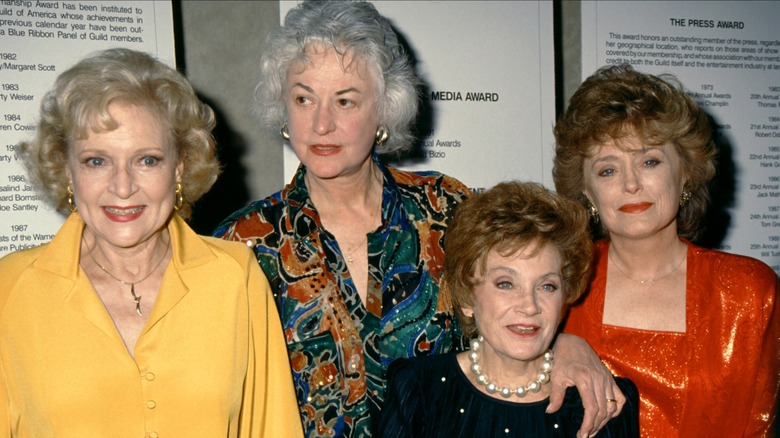
Bea Arthur grew tired of the writing and cruel jokes on The Golden Girls
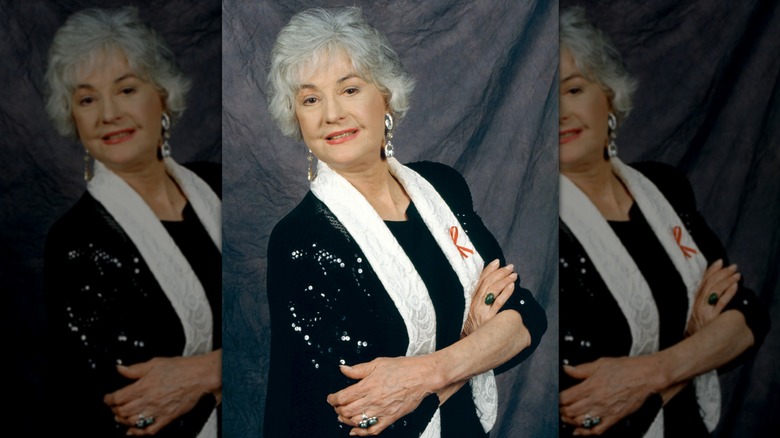
Bea Arthur already had an illustrious career when she starred as Dorothy Zbornak in the celebrated '80s sitcom "The Golden Girls," a role that earned her a Primetime Emmy Award. The series came to an end after seven seasons when Arthur opted out of renewing her contract due to an overall lack of interest. At the time, she felt like the show's writing had steadily been declining and that there simply weren't any avenues left for the characters to explore.
Arthur also had been frustrated with the endless "Dorothy bashing" and insensitive jokes at her expense, so she ultimately walked away and did not sign on for the short-lived spinoff, "The Golden Palace." According to author Jim Colucci, who interviewed the actor for his book, "Golden Girls Forever: An Unauthorized Look Behind The Lanai," Arthur was deeply hurt by the constant zingers because she felt so similar to Dorothy. "When the writers called Rose [Betty White] dumb or Blanche [Rue McClanahan] a s**t or Sophia [Estelle Getty] old, it could roll off those women's backs because they were not like their characters," Colucci said to Fox News. "Unfortunately, the things that were said about Dorothy were that she was big and ugly. And that wears on an actress after a while." Although Arthur made an appearance in "The Golden Palace," she largely left the beloved show and character behind following its conclusion.
Robert Reed notoriously loathed starring in The Brady Bunch
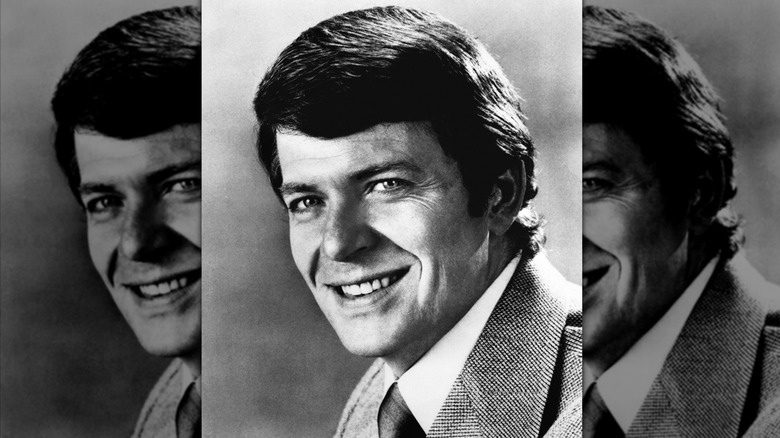
Robert Reed never minced words when it came to his unfiltered feelings about "The Brady Bunch." The Shakespearean-trained actor iconically played patriarch Mike Brady from 1969 to 1974, and from the sitcom's earliest days, Reed made it abundantly clear that he wasn't happy being associated with the wholesome show. He frequently butted heads with series creator Sherwood Schwartz over the storylines and writing quality, and he heavily vocalized the downside of starring on "The Brady Bunch." "The ineptitude of the scripts can be overpowering. You get a script that's ludicrous. Sometimes the pages don't even match. It could be a good show, but we're operating at 30% capacity, I think," Reed told the Courier-Post in 1972 (per Me TV). "They want ratings and money ... Their attitude is not cavalier. They think it's good. The others are not going to raise a fuss. I'm called a bad boy because I want to improve it."
Reed's frustrations eventually boiled over, and he was shockingly absent from the sitcom's series finale due to his creative grievances; Schwartz ended up writing the TV star out of the final episode. "He was spoiled because he was in a Shakespeare company in England, and he felt he was above TV in general, officially sitcoms," Schwartz said in an interview with Retrocrush. Despite the infamous clashing behind the scenes, Reed did reprise the role for subsequent spinoffs and TV movies.
Sally Field despised her time on The Flying Nun
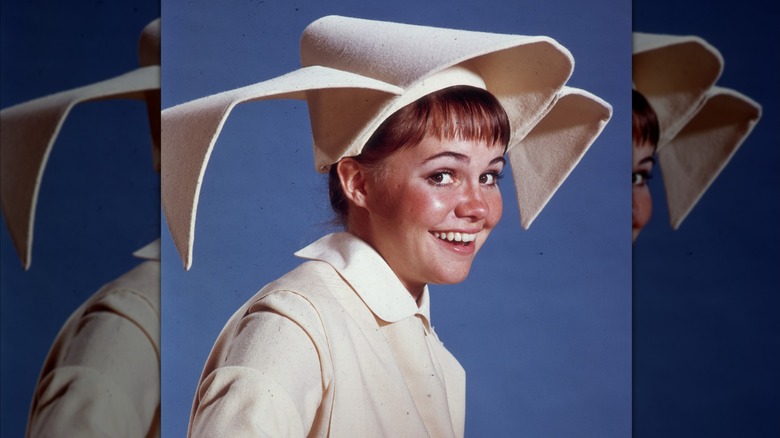
Academy Award winner Sally Field got her start in Hollywood on TV in the '60s, first starring in the short-lived sitcom "Gidget" and later in "The Flying Nun." Field did not want to appear in the latter because of its outlandish premise but only agreed to do so at the behest of her stepfather, Jock Mahoney; he had warned her that projects could become few and far between if she was too picky. However, she didn't enjoy her time on the quirky sitcom and has made her true feelings known in the decades since. "I hated doing 'The Flying Nun' so much," she candidly revealed on "Sunday TODAY with Willie Geist." "I was 18, 19 years old. Who wanted to play a nun? And it was the '60s by then! Everybody was, you know, eating granola and dropping out and marching and walking around naked!"
That wasn't the first time Field expressed her disdain for the show, as she also shared how the sitcom marked one of the lowest periods in her professional career. "That job was three long, hard years, and 'The Flying Nun' became a huge joke," she told Oprah. "Bob Hope and all the other comics poked fun at it. I couldn't tell the difference between jokes about Sister Bertrille, my character, and jokes about me. It was deeply humiliating. I felt denigrated as a person."
Johnny Depp was overwhelmed by his 21 Jump Street fame
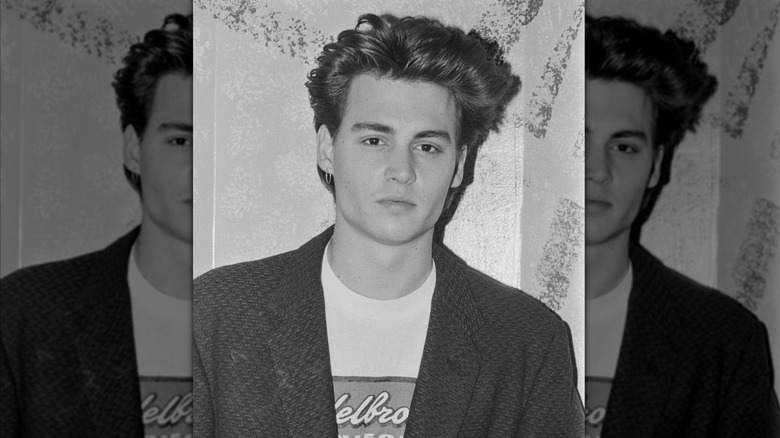
Before he was one of Hollywood's biggest box office draws, Johnny Depp was an up-and-coming actor who got his big break on the small screen with his role in "21 Jump Street." Depp portrayed undercover cop Tom Hanson for four seasons, a role that helped establish him as a certified teen idol in the '80s. Depp had been extremely uncomfortable with the massive exposure the show afforded him and he acted out as a result. "I was so miserable doing 'Jump Street,'" Depp told The Times in 2025. "I mean, I was lucky as a b*****d, but it was uncomfortable. It was around then people started whispering when I walked in a room. This image is cultivated that you can't control."
Depp tried to get fired from the popular show and even trashed his trailer in hopes of getting fired after when his meteoric rise to fame became far too much. The Golden Globe winner eventually broadened his acting horizons when he branched out and starred in the Tim Burton classic, "Edward Scissorhands," and the role served as a precursor to his decorated career. "After having been, kind of — and it's a luxury job — but confined to television series when you can't play anything but one particular character for nine months out of the year, that will make you insane," he reflected at a panel for the Santa Barbara International Film Festival in 2016.
John Cleese left Monty Python's Flying Circus over a lack of originality
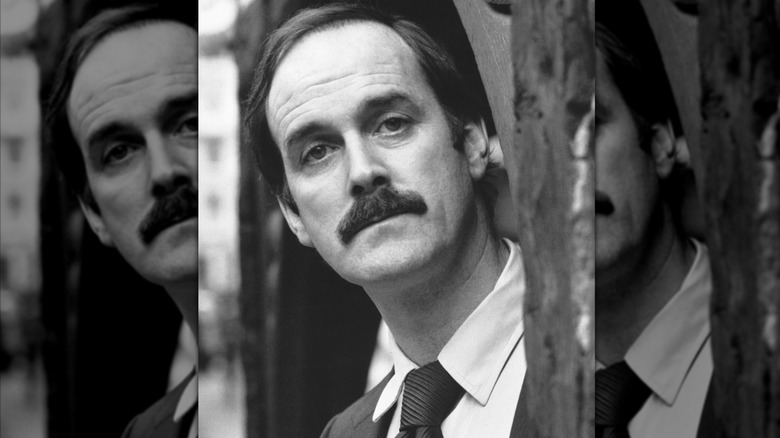
John Cleese became a household name when he starred in the hit series "Monty Python's Flying Circus," which featured the legendary comedy troupe performing off-the-wall, surreal sketches. In 1973, Cleese shocked fans when he departed the show after three seasons, having grown disappointed in the group's underwhelming original material and their overall lack of progression. "I was genuinely bothered that by the third series we weren't really doing original material. We were doing permutations and combinations of sketches from the first two series," Cleese said in an interview with CBS Sunday Morning. "I don't think the other Pythons minded, they would say, 'Oh, we are just having fun!' And to me, with this sort of puritanical streak of me and professionally in those days, I just thought we were not getting anywhere, we're not doing new stuff, so we should stop."
Cleese's fellow Pythons had been angry with him when he left the sketch series, but he felt restless, so he stuck to his instincts. Behind the scenes, Graham Chapman had also been struggling with alcoholism, and his addiction had taken its toll on Cleese and their co-stars, further prompting his decision to leave. "And my attitude was, 'Well, you know, I said I'd do some TV shows with you. I didn't say I'd marry you,'" Cleese further shared about his reaction to their outrage.
If you or anyone you know needs help with addiction issues, help is available. Visit the Substance Abuse and Mental Health Services Administration website or contact SAMHSA's National Helpline at 1-800-662-HELP (4357).
Pernell Roberts didn't like the writing in Bonanza
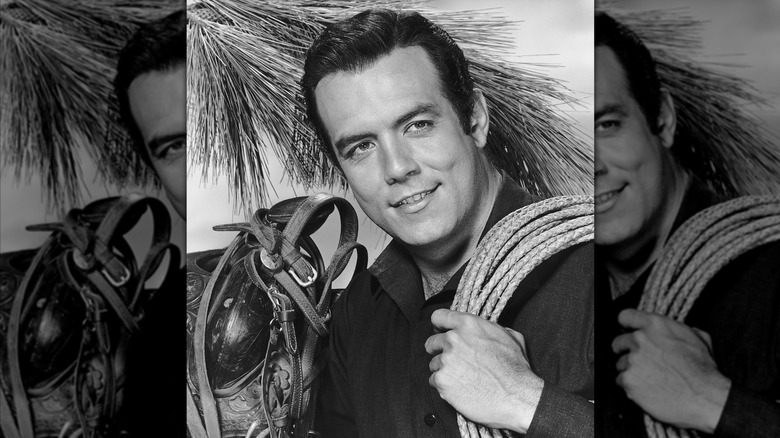
From 1959 to 1965, Pernell Roberts portrayed Adam Cartwright in the Western classic "Bonanza," becoming a beloved presence in the series. Roberts had been a dedicated stage actor when he agreed to do the show, and he didn't enjoy being tied down by playing the same character for years on end. Roberts heavily criticized the show's production quality and storylines, and he felt taken for granted while appearing in the series. "I had six seasons of playing the eldest son on that show," he once said in an interview (per Playbill). "Six seasons of feeling like a d**ned idiot, going around — me, like a middle-aged teenager, saying, 'Yes, Pa,' 'No, Pa' on cue. It was downright disgusting — such dialogue for a grown man. I felt I wasn't being taken seriously as an actor, and that's like death to one's talent."
A devoted social activist, Roberts had also been outraged over the lack of non-white actors featured in the Western. Following his departure from "Bonanza," Roberts starred as the titular character in "Trapper John, M.D." for seven seasons. Although his other projects never achieved the same level of fame the Western series brought him, Roberts did not mind. "Do I have any regrets? He** no, I don't have any regrets, other than I wished I would have left that show long before I did," he once said (via Me TV).
Esther Rolle felt Good Times perpetuated harmful stereotypes
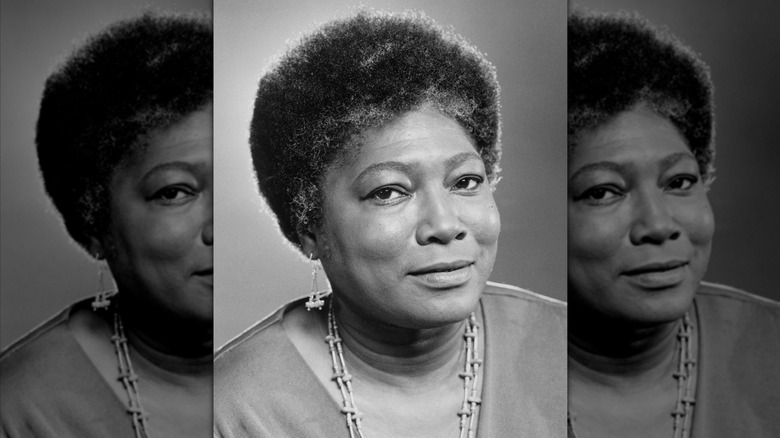
Esther Rolle left her mark on the small screen and became one of TV's most beloved '70s moms when she joined the cast of "Good Times" as Florida Evans. Rolle appeared alongside John Amos and Jimmie Walker in the series, but she and Amos grew frustrated with the direction the show was heading in. Rolle felt that Walker's character J.J. perpetrated harmful stereotypes and became a caricature, especially when producers insisted he say his iconic catchphrase, "Dyn-o-mite!" every episode. "He's 18 and he doesn't work. He can't read and write. He doesn't think. The show didn't start out to be that," Rolle said to Ebony in 1975 of Walker's character. "Negative images have been quietly slipped in on us through the character of the oldest child. I resent the imagery that says to Black kids that you can make it by standing on the corner saying 'Dyn-o-Mite!'"
Rolle also felt the sitcom shifted away from tackling serious social issues, thus resulting in her quitting after four seasons. However, Rolle ultimately returned for the show's sixth and final installment. Amos, who played Rolle's on-screen husband, had also been upset about the poor depiction of the African-American family, and he too clashed with writers about the show's lack of authenticity. Amos was infamously fired at the end of Season 3 in 1976, much to Rolle's dismay.
George Reeves felt stuck in the hero's shadow on Adventures of Superman
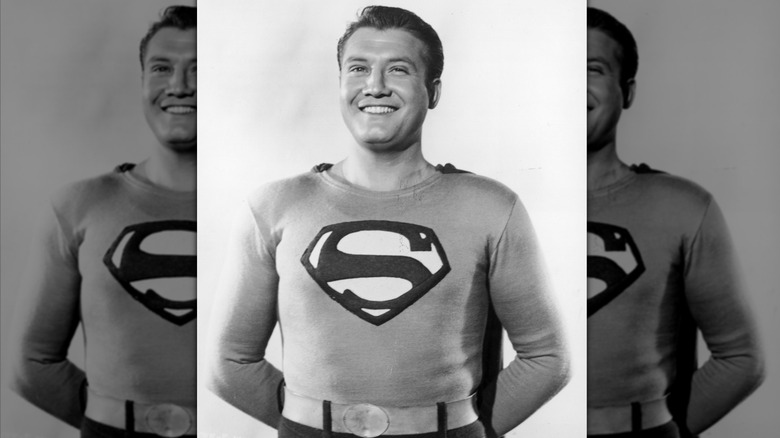
George Reeves helped bring a beloved superhero to life when he starred in the '50s classic series, "Adventures of Superman." The show ran from 1952 to 1958 and made Reeves a household name. After the first few seasons, however, Reeves grew frustrated with his low salary and the underwhelming character development, and he felt limited by appearing on television. Representing such an iconic character both on and off the screen also took its toll on the TV star.
"The burden of being Superman is not a light one. In fact, it's a frightening responsibility," Reeves told the Statesman Journal (per Woman's World). Reeves explained how he felt too closely connected to Superman and couldn't escape the hero's shadow outside of the show. "I can never go in a bar or smoke a cigarette, because Superman doesn't do those things. And I can't get in arguments in public. And like champion prizefighters, I'm always beset by some character who wants to boast that he took a poke at Superman," he said.
Despite helping establish Reeves as a leading man, "Adventures of Superman" ultimately hindered his acting opportunities and caused him to resent his involvement in the show. "The only rub in playing Superman is that I have a tough time finding other roles. Most movie producers feel I'm too closely identified with Superman, so they won't use me," Reeves said to Akron Beacon Journal in 1956 (via FandomWire).